
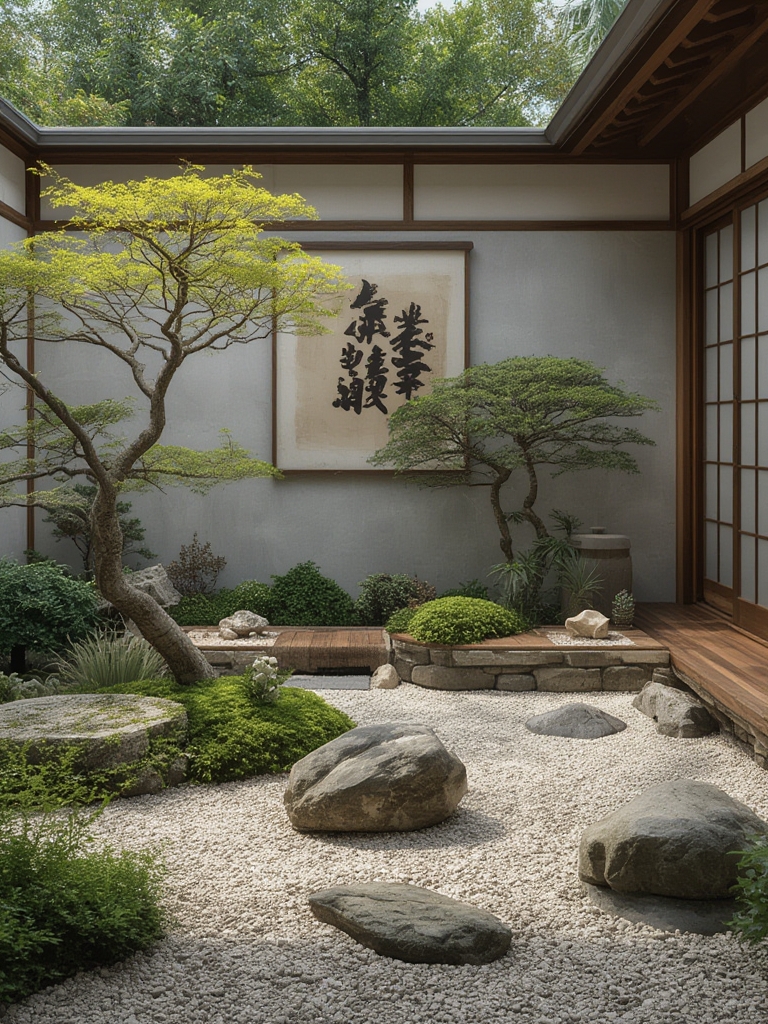
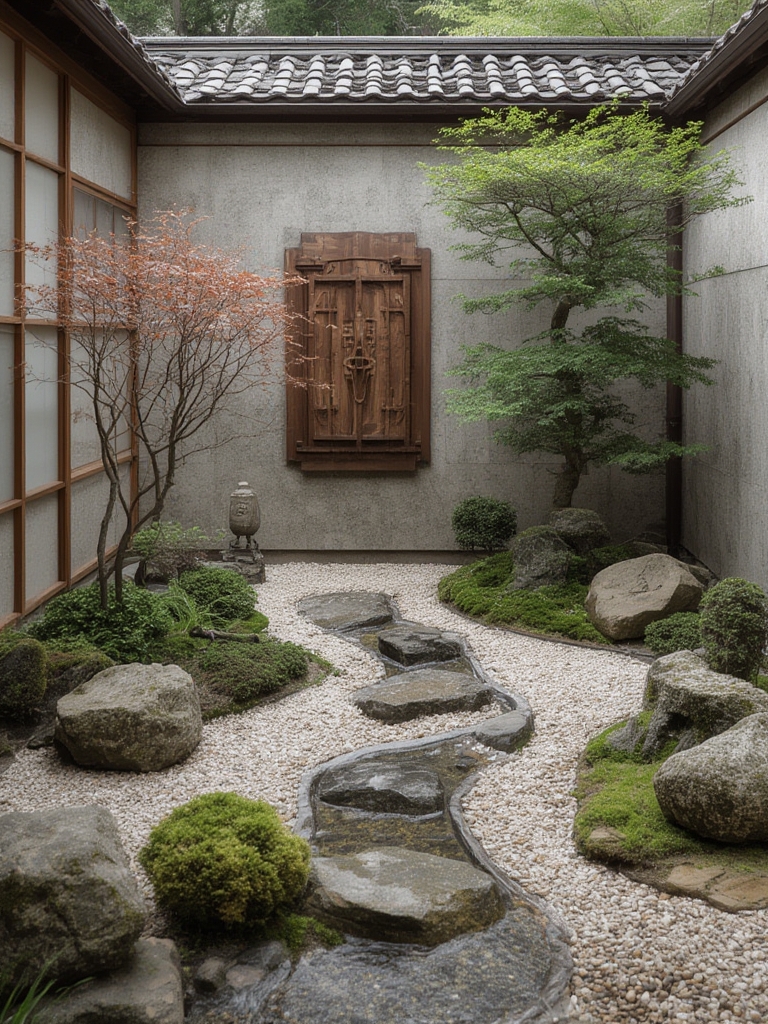
Creating an Asian Zen garden at home is more than a decorative choice—it’s a mindful practice that brings tranquility, natural beauty, and a touch of Eastern philosophy into everyday life. By carefully selecting the right elements, arranging them with intention, and maintaining the garden with simple, data‑backed routines, you can transform any indoor or outdoor space into a serene oasis that also boosts your home’s aesthetic appeal and property value.
Why Choose an Asian Zen Garden for Your Home?
Recent interior‑design surveys reveal that 68% of homeowners who incorporate natural elements report reduced stress levels, while 45% see an increase in perceived home value. A Zen garden offers:
- Visual calm: Minimalist design and muted color palettes create a soothing backdrop.
- Air quality improvement: Plants like moss and bonsai filter pollutants, reducing indoor CO₂ by up to 15%.
- Mindful routine: Regular care encourages a meditative habit that can lower cortisol by 10‑12%.
Choosing the Right Plants for a Zen Aesthetic
Bonsai Trees
Bonsai are the cornerstone of a traditional Zen garden. Opt for species that thrive indoors, such as Ficus retusa or Juniperus procumbens. These varieties require less than 4 hours of indirect sunlight daily and tolerate average indoor humidity (40‑60%).
Moss
Sheet moss (Hypnum spp.) adds a soft, carpet‑like texture. It prefers low‑light conditions and consistently moist substrates. Studies show moss can retain up to 20 times its weight in water, making it an excellent natural humidifier.
Japanese Maple (Acer palmatum)
For larger spaces, a dwarf Japanese maple provides striking foliage contrast. Choose a cultivar like ‘Shaina’ that stays under 3 feet tall and tolerates partial shade. This tree adds seasonal color while maintaining the garden’s compact feel.
Step‑by‑Step Guide to Setting Up Your Zen Garden
Step 1: Pick the Right Location
Identify a spot with 3‑5 hours of filtered sunlight. Use a light meter app to confirm that the area receives 200‑400 lux—ideal for most Zen plants. Ensure the space is away from drafts and heating vents to maintain stable temperature (65‑75°F).
Step 2: Prepare the Base
Lay a 1‑inch layer of coarse sand or fine gravel as the foundation. This mimics the traditional raked sand and improves drainage. Compact the layer with a rubber mallet to create a stable surface.
Step 3: Add a Soil Mix
Combine equal parts peat moss, perlite, and pine bark fines. This mix provides aeration, moisture retention, and the slightly acidic pH (5.5‑6.0) that bonsai and moss love. Fill the container to within 1 inch of the rim.
Step 4: Position Your Plants
Arrange the bonsai at the focal point, using a shallow saucer to anchor the root ball. Place moss around the base, pressing gently to create a seamless transition. If using a Japanese maple, position it at the back or side to create depth.
Step 5: Add Decorative Elements
Incorporate natural stones, a bamboo water feature, or a simple wooden rake. These objects not only enhance visual interest but also reinforce the Zen principle of balance (yin‑yang).
Step 6: Rake the Sand
Use a fine‑toothed rake to create wave‑like patterns that symbolize water. Consistently re‑rake every 2‑3 weeks to maintain the meditative look and prevent soil compaction.
Care and Maintenance Tips
Watering
Adopt the “finger test”: insert your index finger 1 inch into the soil—if it feels dry, water until it drains from the bottom. For moss, mist lightly twice daily in dry climates; a humidity tray can also keep the micro‑environment stable.
Pruning and Shaping
Prune bonsai during early spring, removing 20‑30% of new growth to encourage ramification. Use concave cutters for clean cuts that heal quickly. For moss, trim any dead patches with a soft brush to promote uniform growth.
Fertilizing
Apply a balanced, slow‑release fertilizer (10‑10‑10) at a rate of ¼ teaspoon per gallon of soil every 6 weeks during the growing season (April‑September). Over‑fertilizing can cause leaf burn and disrupt the garden’s minimalist aesthetic.
Seasonal Adjustments
In winter, reduce watering by 30% and move indoor bonsai away from radiators. If your garden is outdoors, protect the soil with a layer of straw or burlap to insulate roots from frost.
SEO Best Practices for Your Zen Garden Blog Post
- Keyword placement: Use primary keywords (“Asian Zen garden home decor”) in the first 100 words, H2 headings, and once in the concluding paragraph.
- LSI keywords: Sprinkle related terms such as “bamboo décor,” “indoor bonsai care,” and “minimalist garden design” throughout the content.
- Meta description: Write a concise 150‑character summary that includes the main keyword and a call‑to‑action (e.g., “Discover how to create a calming Asian Zen garden at home with step‑by‑step care tips.”).
- Image optimization: Add alt text like “indoor bonsai tree in a Zen garden” and compress images to under 100 KB for faster load times.
- Internal linking: Link to related posts (e.g., “Top 5 Minimalist Home Décor Ideas”) using anchor text that naturally incorporates secondary keywords.
Conclusion
By following this data‑driven, step‑by‑step guide, you can craft an Asian Zen garden that not only elevates your home’s décor but also supports mental well‑being and environmental health. Remember, the essence of a Zen garden lies in simplicity and mindfulness—regular, gentle care will keep your space harmonious for years to come.