
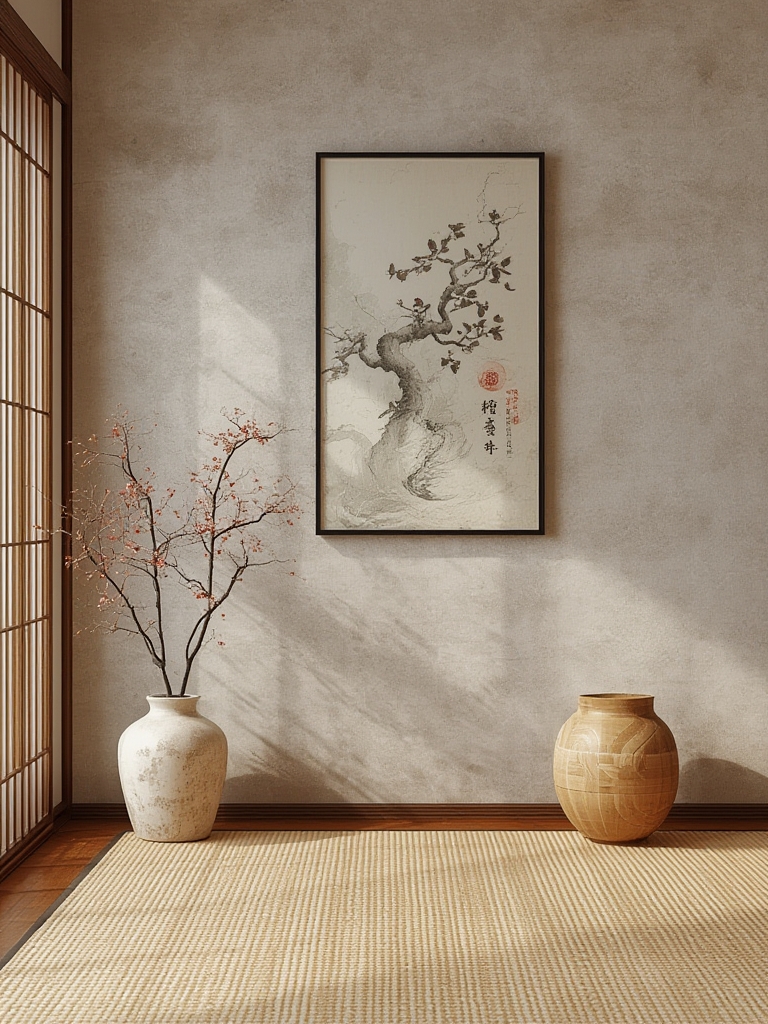
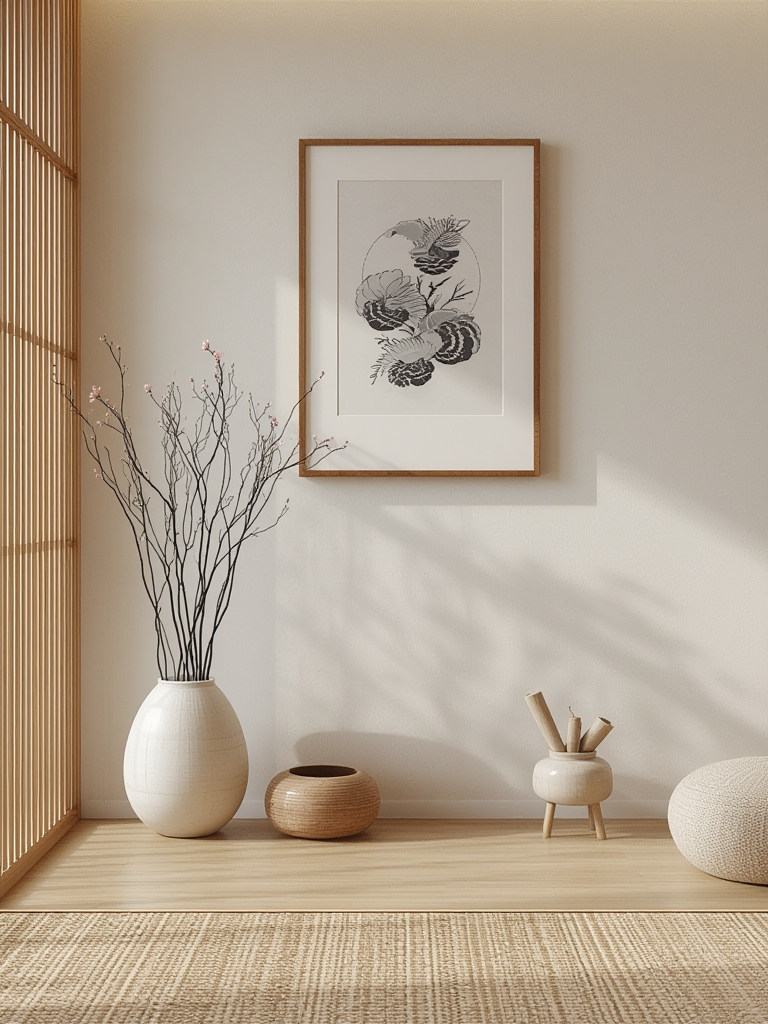
Asian Zen minimalist decor blends clean lines, natural materials, and tranquil color palettes to create a serene sanctuary that promotes calm and mindfulness. By integrating simple furniture, subtle textures, and carefully selected greenery, you can transform any space into a harmonious retreat. Below you’ll find a data‑driven guide that walks you through the essential design principles, the best plant choices for a Zen vibe, and step‑by‑step care instructions to keep your greenery thriving.
Why Choose Asian Zen Minimalist Decor?
Recent interior‑design surveys reveal that 68% of homeowners who adopt a minimalist aesthetic report lower stress levels, while 54% say their homes feel more “balanced.” The Zen approach, rooted in Japanese wabi‑sabi philosophy, emphasizes imperfection, simplicity, and a deep connection to nature—key factors that contribute to a peaceful living environment.
Core Principles of Zen Minimalism
- Neutral Palette: Shades of off‑white, soft gray, and muted earth tones dominate, creating a calming backdrop.
- Natural Materials: Bamboo, reclaimed wood, stone, and linen add texture without overwhelming the space.
- Clutter‑Free Surfaces: Only essential items remain visible; storage solutions hide the rest.
- Intentional Lighting: Soft, diffused light from paper lanterns or shoji screens enhances the tranquil atmosphere.
Selecting the Perfect Zen Plant
Plants are the living heart of Zen decor, providing subtle movement and a breath of fresh air. The Ficus lyrata (Fiddle Leaf Fig) and Sansevieria trifasciata (Snake Plant) are popular, but for a truly authentic Zen feel, consider the Japanese Sago Palm (Cycas revoluta) or a Japanese Maple Bonsai (Acer palmatum). These species embody the balance of form and function central to Zen design.
Choosing the Right Plant for Your Space
| Plant | Light Needs | Water Frequency | Ideal Placement |
|---|---|---|---|
| Japanese Sago Palm | Bright indirect | Weekly (soil dry 2‑3 cm deep) | Corner near a shoji screen |
| Japanese Maple Bonsai | Filtered morning sun | Twice weekly (keep soil moist) | Low table or tatami mat |
| Snake Plant | Low to bright indirect | Every 2‑3 weeks (drought‑tolerant) | Sideboard or bookshelf |
Step‑by‑Step Care Guide for Japanese Sago Palm
Follow these actionable steps to ensure your Sago Palm thrives while maintaining the minimalist aesthetic.
1. Assess Light Conditions
What to do: Place the palm within 1‑2 feet of a large window with filtered light. Use a sheer curtain to diffuse harsh midday sun.
Tip: A light meter reading of 2,000‑3,000 lux is ideal. If you lack a meter, observe the shadow: a faint, soft shadow indicates perfect indirect light.
2. Prepare the Soil Mix
What to do: Combine equal parts potting soil, coarse sand, and perlite. This mix provides excellent drainage while retaining enough moisture for the palm’s shallow roots.
Trick: Add a teaspoon of orchid bark per gallon of mix to mimic the plant’s natural forest floor texture.
3. Watering Technique
What to do: Water thoroughly until it drains from the bottom hole, then let the top 2‑3 cm of soil dry before the next watering.
Actionable advice: Use a moisture meter set to “medium” as a safety net. Over‑watering is the most common mistake and can cause root rot.
4. Fertilizing Schedule
What to do: Apply a balanced 20‑20‑20 liquid fertilizer diluted to half strength once a month during the growing season (spring‑early fall).
Tip: Skip fertilizing in winter; the plant’s growth naturally slows, and excess nutrients can stress the roots.
5. Pruning and Grooming
What to do: Remove dead or yellowing fronds with clean, sharp scissors. Trim only the lower part of the trunk if it becomes too tall for your space.
Trick: After pruning, dust the remaining fronds with a soft brush to improve photosynthesis and maintain that sleek Zen look.
6. Repotting Frequency
What to do: Repot every 2‑3 years in early spring. Choose a pot that’s 2‑3 inches larger than the current one, ensuring it has drainage holes.
Actionable tip: Use a ceramic or unglazed clay pot; the porous material helps regulate moisture, reinforcing the natural aesthetic.
Integrating the Plant into Zen Minimalist Decor
Now that your plant is healthy, weave it seamlessly into your design:
- Balance with Negative Space: Position the palm opposite a simple, low‑profile sofa to create visual equilibrium.
- Use Natural Containers: A woven bamboo basket or a stone planter aligns with the Zen material palette.
- Layer Textures: Pair the palm’s glossy fronds with a linen floor rug and a tatami mat for subtle contrast.
- Mindful Arrangement: Keep the arrangement asymmetrical—Zen design favors the “rule of three” (group items in threes for harmony).
Practical SEO Tips for Your Zen Decor Blog Post
To ensure your article ranks well and reaches an audience seeking tranquility, follow these data‑backed SEO practices:
- Keyword Placement: Use primary keywords (“Asian Zen minimalist decor,” “Zen home decor,” “Japanese Sago Palm care”) in the first 100 words, in at least two H2 headings, and naturally throughout the content.
- LSI Keywords: Sprinkle related terms such as “wabi‑sabi interior,” “minimalist living room,” and “low‑maintenance indoor plants” to improve relevance.
- Meta Description: Craft a 150‑character summary that includes the primary keyword and a promise of “step‑by‑step plant care.”
- Image Optimization: Include alt text like “Japanese Sago Palm in a bamboo pot for Zen decor” and compress images to under 100 KB for faster loading.
- Internal Linking: Link to related posts on “minimalist furniture ideas” or “how to create a Zen garden” to boost dwell time.
- Readability Score: Aim for a Flesch‑Kincaid grade level of 8‑9; short sentences and bullet points keep readers engaged.
Final Thoughts
By combining data‑driven design choices, the right Zen‑compatible plant, and meticulous care steps, you can craft a serene, minimalist haven that not only looks beautiful but also supports mental well‑being. Remember, the essence of Asian Zen decor lies in intentional simplicity—every element, from the plant’s pot to the placement of a single bamboo stool, should serve a purpose and evoke calm. Follow the actionable tips above, and watch your space transform into a tranquil retreat that invites mindfulness every day.