
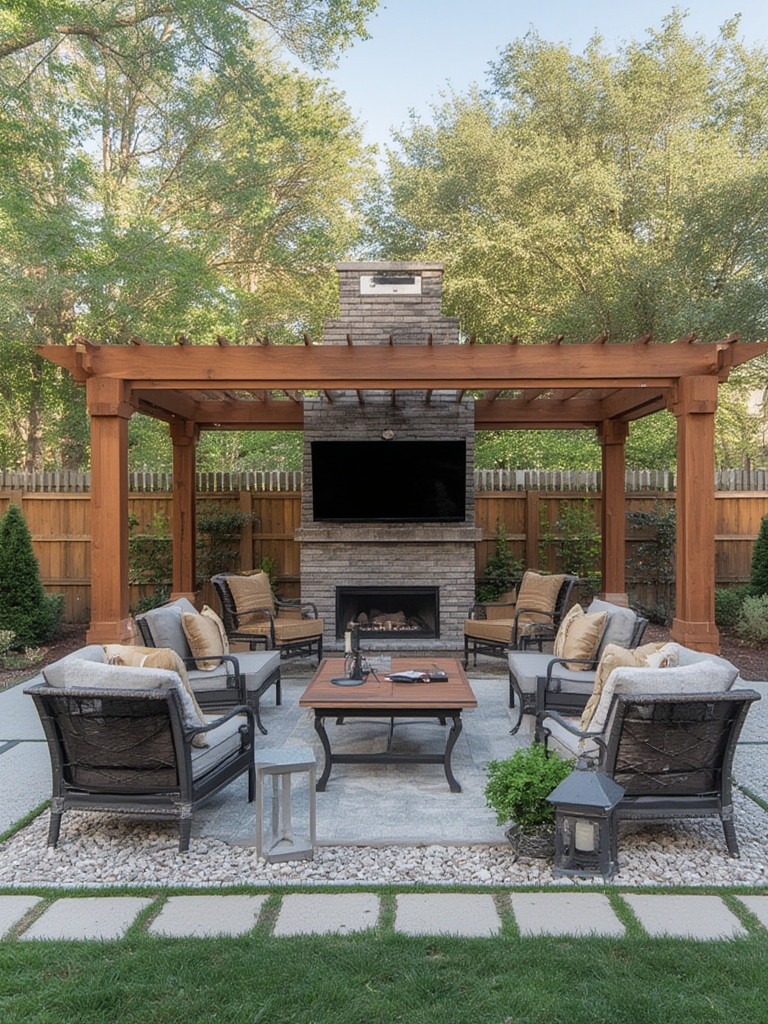
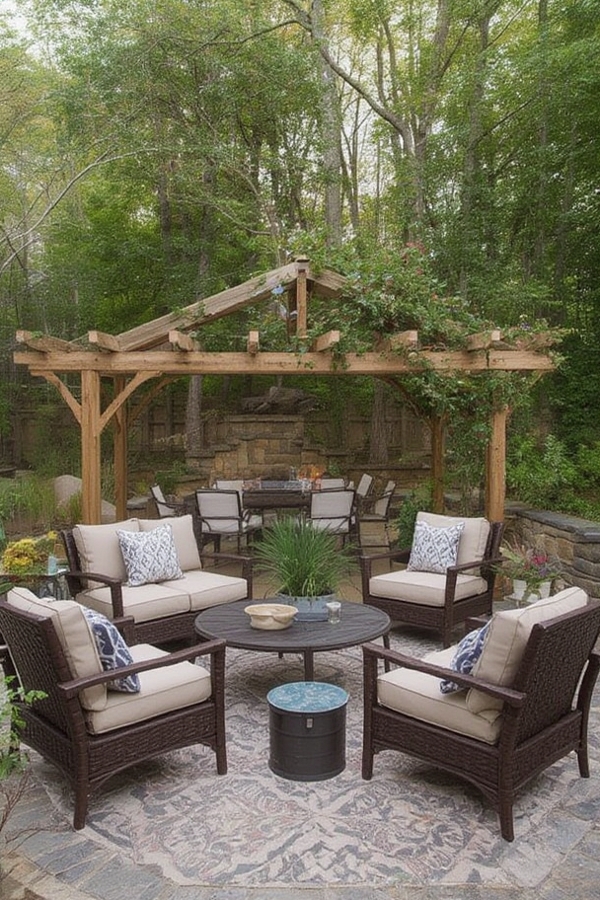
Reviving your backyard entertainment area can transform a neglected space into a vibrant hub for family gatherings, weekend barbecues, and evening relaxation. According to a 2023 Houzz survey, 68% of homeowners who upgraded their outdoor spaces reported a noticeable increase in property value and personal enjoyment. This guide walks you through a data‑driven, step‑by‑step process to redesign your backyard, complete with practical tips, budget tricks, and actionable advice that you can implement today.
Step 1: Conduct a Quick Audit of Your Current Space
Before you start buying furniture or planting, spend 30 minutes walking the perimeter and noting what works and what doesn’t. Use a simple spreadsheet or a free app like Google Keep to log observations.
What to Measure
- Square footage: Measure length and width; multiply for total area. This helps you choose appropriately sized furniture.
- Sun exposure: Track sunlight patterns for at least three days (morning, midday, evening). Areas with 4+ hours of sun are ideal for a grill; shaded zones work best for lounge seating.
- Existing utilities: Locate water lines, electrical outlets, and gas connections. Knowing where they are prevents costly trenching later.
- Drainage issues: Look for low spots where water pools after rain. Poor drainage can damage furniture and create safety hazards.
Quick Tip
Take a photo of each zone and annotate it with a free tool like Canva. Visual references make planning smoother and help you communicate ideas with contractors.
Step 2: Define Your Primary Use Cases
Data shows that the most common backyard activities are grilling (45%), outdoor dining (38%), and lounging (32%). Identify the top two activities you’ll prioritize to allocate space efficiently.
Example Use‑Case Matrix
| Activity | Required Space | Key Elements |
|---|---|---|
| Grilling & Cooking | 10–15 sq ft | Built‑in grill, prep counter, fire extinguisher |
| Dining | 20–30 sq ft | Table & chairs, shade, lighting |
| Lounge | 25–40 sq ft | Sectional sofa, fire pit, ambient lighting |
Actionable Advice
Sketch a rough layout on graph paper (1 sq ft = 1 square). Place the most frequently used zone (e.g., grill) near utilities, then arrange secondary zones around it.
Step 3: Set a Realistic Budget and Timeline
According to HomeAdvisor, the average cost to remodel a backyard entertainment area ranges from $7,500 to $25,000. Break down your budget into categories to avoid overspending.
Budget Breakdown (Sample)
- Hardscape (pavers, decking): 30%
- Furniture & Fixtures: 25%
- Lighting: 15%
- Landscaping (plants, mulch): 10%
- Labor & Permits: 20%
Timeline Tips
- Week 1–2: Planning, permits, and ordering materials.
- Week 3–4: Hardscape installation (pavers, deck).
- Week 5: Electrical work for lighting and outlets.
- Week 6: Furniture placement and final landscaping.
Step 4: Choose Durable, Low‑Maintenance Materials
Backyard elements face weather extremes, UV exposure, and foot traffic. Opt for materials with proven longevity to reduce long‑term costs.
Hardscape Options
- Porcelain pavers: 100+ year lifespan, slip‑resistant, low‑maintenance.
- Composite decking: 25‑year warranty, resists rot and insects.
- Stamped concrete: Cost‑effective, can mimic stone or brick.
Furniture Materials
- Aluminum frames: Rust‑proof, lightweight, easy to move.
- All‑weather wicker (synthetic): UV‑stable, retains shape.
- Outdoor cushions with solution‑dye fabric: Fade‑resistant, washable.
Practical Tip
When purchasing pavers, ask for a sealed option. Sealing reduces staining and extends the life by up to 30% (source: Tile Council of North America).
Step 5: Install Smart, Energy‑Efficient Lighting
Lighting not only adds ambiance but also improves safety. Data from the Lighting Research Center shows that LED outdoor lighting reduces energy consumption by 70% compared to halogen.
Layered Lighting Strategy
- Ambient: String lights or LED strip lighting along the deck perimeter.
- Task: Under‑counter LED strips for the grill area; dimmable spotlights for the dining table.
- Accent: Solar‑powered uplights to highlight trees or a water feature.
Installation Quick Wins
- Use plug‑and‑play LED modules that connect to existing GFCI outlets—no electrician needed for basic setups.
- Integrate a smart switch (e.g., Wi‑Fi enabled) to control lighting via phone or voice assistant.
- Choose motion‑sensor lights for pathways to save energy and enhance security.
Step 6: Add Greenery for Comfort and Aesthetics
Plants improve air quality, provide natural shade, and soften hard edges. A 2022 study from the University of Washington found that well‑placed trees can lower surrounding temperatures by up to 9°F.
Low‑Maintenance Plant Picks
- Boxwood hedges: Evergreen, easy to shape, provides privacy.
- Lavender: Drought‑tolerant, aromatic, attracts pollinators.
- Japanese maple: Offers seasonal color, thrives in partial shade.
Planting Tips
- Group plants with similar water needs together (hydrozoning) to simplify irrigation.
- Apply a 2‑inch layer of organic mulch to retain moisture and suppress weeds.
- Install a drip irrigation system—it reduces water use by up to 50% compared to sprinklers.
Step 7: Incorporate Multi‑Functional Features
Maximize square footage by choosing elements that serve more than one purpose.
Examples
- Fire pit with built‑in seating: Provides warmth and doubles as a conversation hub.
- Storage bench: Offers seating while keeping cushions and gardening tools out of sight.
- Convertible pergola: Adds shade in summer; retracts for stargazing in fall.
Actionable Advice
When selecting a fire pit, opt for a gas‑powered model with a built‑in thermostat. It’s cleaner than wood, easier to control, and complies with most HOA fire codes.
Step 8: Final Touches and Ongoing Maintenance
A polished finish and regular upkeep keep your backyard looking fresh year after year.
Finishing Details
- Outdoor rugs: Define seating zones and add comfort.
- Decorative lanterns or candles: Enhance evening ambiance.
- Seasonal décor: Swap throw pillows or planters to reflect holidays.
Maintenance Checklist (Monthly)
- Sweep debris from pavers and deck.
- Check and tighten any loose hardware on furniture.
- Inspect lighting fixtures for corrosion; replace bulbs as needed.
- Prune plants to maintain shape and health.
- Reapply sealant on pavers every 2–3 years.
Conclusion: Your Revitalized Backyard Awaits
By following these data‑backed steps—starting with a thorough audit, defining clear use cases, budgeting wisely, selecting durable materials, and adding smart lighting and low‑maintenance greenery—you’ll create an outdoor entertainment area that boosts your home’s value and becomes the go‑to spot for relaxation and gatherings. Remember, the key to success lies in planning, using quality components, and committing to a simple maintenance routine. Happy reviving!