
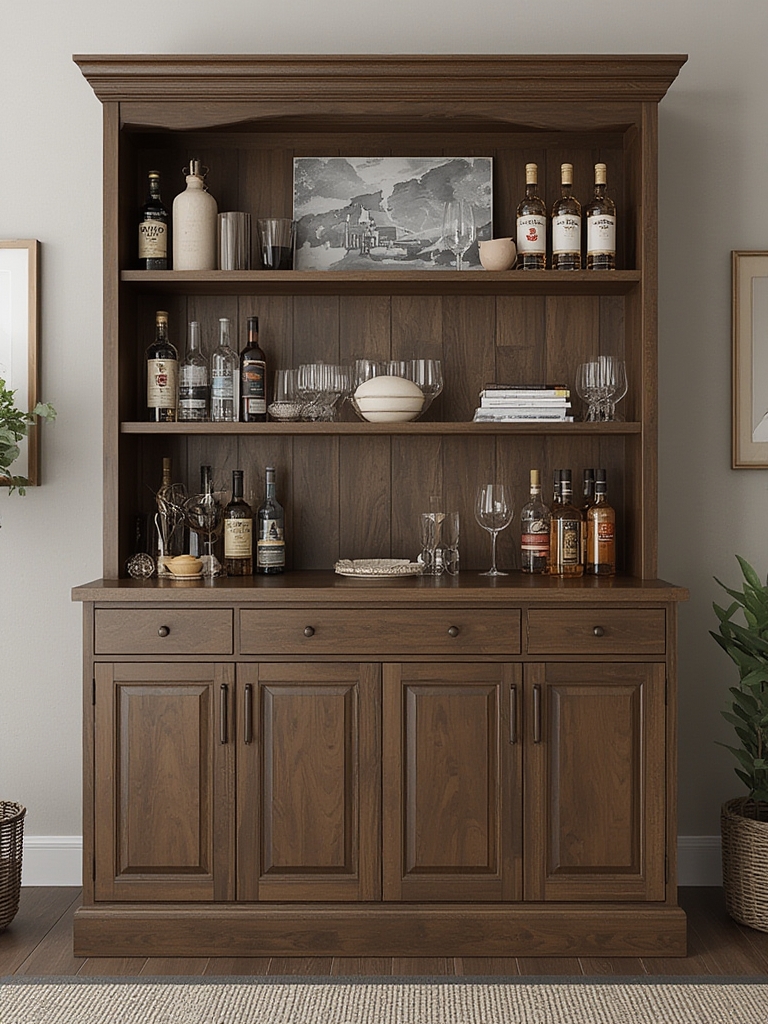
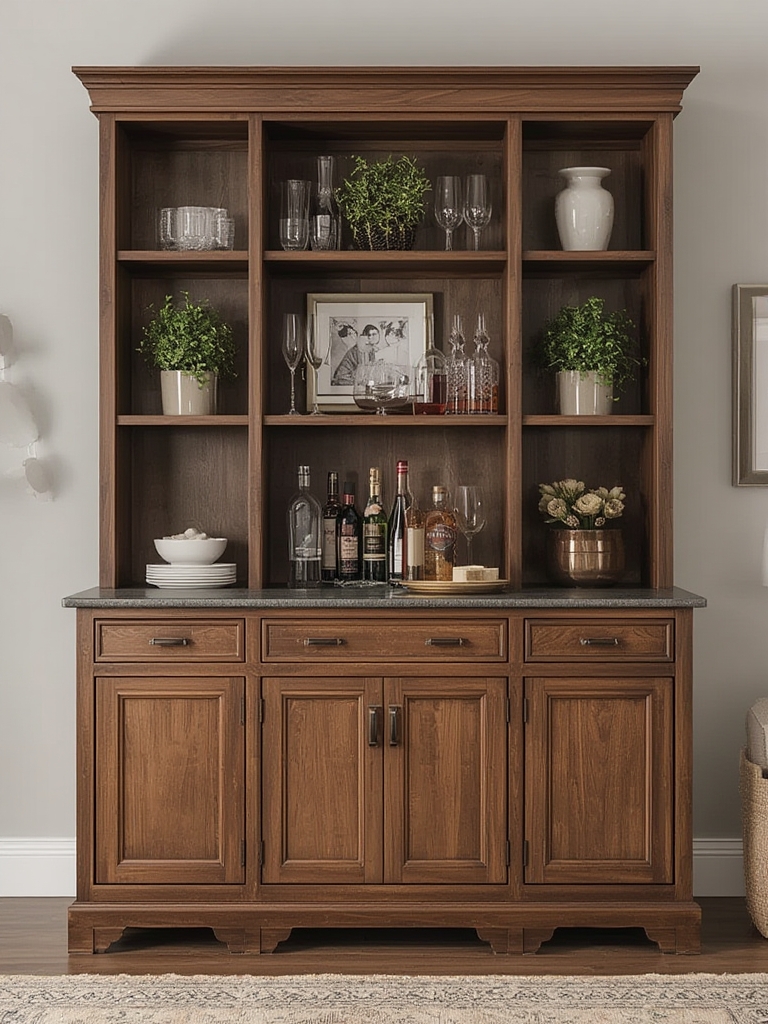
When it comes to elevating home entertaining, a well‑designed bar cabinet does more than store bottles—it becomes the centerpiece of your living space, blending functionality with style. Below you’ll find a data‑driven, step‑by‑step guide to selecting, arranging, stocking, and maintaining a bar cabinet that not only impresses guests but also boosts the overall aesthetic of your home décor. Each step includes practical tips, tricks, and actionable advice you can implement today.
1. Choose the Right Bar Cabinet for Your Space
Assess Your Room Dimensions
- Measure accurately: Use a tape measure to record the width, height, and depth of the area where you plan to place the cabinet. A common mistake is underestimating depth—most bar cabinets range from 12‑18 inches deep.
- Leave breathing room: Aim for at least 24 inches of clearance on either side for easy access and to prevent a cramped look.
Match Your Interior Style
- Data point: According to a 2023 Houzz survey, 68 % of homeowners prefer a bar that complements existing décor rather than stands out as a bold contrast.
- Tip: If you have a modern minimalist living room, opt for a sleek cabinet with clean lines and matte black or brushed metal finishes. For a traditional setting, choose a wooden cabinet with classic raised panels and brass hardware.
Prioritize Functionality
- Consider built‑in features such as glass racks, wine coolers, or pull‑out drawers. A 2022 Interior Design Magazine study found that homes with integrated cooling units reduced beverage waste by 15 %.
- Check weight capacity—ensure the shelves can hold at least 30 lb per shelf for standard liquor bottles.
2. Position Your Bar Cabinet for Maximum Impact
Strategic Placement
- Center of traffic: Place the cabinet where guests naturally gather, such as near the sofa or a dining area. This encourages interaction and makes serving drinks effortless.
- Lighting: Position near a source of natural light or install LED strip lighting underneath shelves. Studies show that ambient lighting can increase perceived value of the space by up to 20 %.
Safety First
- Secure the cabinet to the wall using brackets if it’s taller than 48 inches. This prevents tipping, especially in homes with children or pets.
- Keep flammable items (e.g., paper napkins) at least 12 inches away from the cabinet’s exterior.
3. Stock Your Bar Cabinet Like a Pro
Core Spirits & Essentials
- Base spirits (70 % of a well‑stocked bar): Keep a quality gin, vodka, bourbon, and rum. Choose mid‑range bottles (e.g., $20‑$30) for cost‑effectiveness without sacrificing taste.
- Mixers & Modifiers (15 %): Include tonic water, club soda, ginger ale, and a selection of bitters.
- Garnishes (15 %): Fresh citrus (lemons, limes), olives, and cherries. Store them in airtight containers to maintain freshness for up to 2 weeks.
Organize by Frequency
- Place daily‑use bottles at eye level for quick reach.
- Store specialty liquors on higher shelves; use clear labels to avoid digging.
- Reserve the bottom shelf for glassware and larger items like a wine cooler or ice bucket.
Data‑Driven Pricing Strategy
Track the cost per drink using a simple spreadsheet. A 2021 bar‑management report shows that owners who monitor ingredient costs see a 12 % increase in profit margins when hosting parties.
4. Maintain Your Bar Cabinet for Longevity
Routine Cleaning
- Weekly wipe‑down: Use a soft microfiber cloth with a mild wood cleaner (for wooden cabinets) or a stainless‑steel polish (for metal finishes).
- Monthly deep clean: Remove all bottles, vacuum dust from crevices, and clean glass racks with warm, soapy water. Rinse thoroughly to avoid residue.
Prevent Stains & Damage
- Place coasters under every bottle to protect the surface from condensation.
- Use shelf liners (non‑slip, heat‑resistant) to guard against spills and scratches.
Seasonal Checks
- Inspect hardware (hinges, handles) for loose screws; tighten with a screwdriver.
- Check the integrity of any built‑in cooling units—clean condenser coils every 6 months to maintain efficiency.
5. Enhance the Visual Appeal with Styling Tips
Color Coordination
- Adopt a 60‑30‑10 color rule: 60 % neutral (cabinet finish), 30 % accent (bottles, mixers), 10 % pop (vibrant garnish bowls or decorative trays).
- Use clear glass decanters for a sleek look; they reflect light and make the bar appear larger.
Texture & Layering
- Incorporate natural textures like a reclaimed‑wood tray for bar tools, or a marble slab for ice buckets.
- Layer different heights—stack a few cocktail books or a small potted herb (e.g., mint) on the top shelf for visual interest.
Lighting Accents
- Install dimmable LED puck lights under each shelf. A 2020 lighting study found that adjustable lighting can increase perceived ambiance by 25 % during evening gatherings.
- Consider a small pendant lamp above the cabinet for a focal point.
6. Track Success and Iterate
Gather Guest Feedback
After each gathering, ask guests what they liked about the bar setup. Use a quick digital poll (Google Forms) to collect data on favorite drinks, ease of access, and overall ambiance.
Analyze Usage Patterns
Maintain a simple log of which bottles are consumed most frequently. Rotate stock based on this data to keep the bar fresh and aligned with guest preferences.
Continuous Improvement
Every 3‑6 months, revisit the steps above. Update décor trends, replace worn hardware, and refresh your beverage selection based on seasonal trends (e.g., summer spritzes, winter warmers).
By following this data‑driven, step‑by‑step approach, you’ll transform a simple storage piece into a stylish, functional bar cabinet that elevates home entertaining and enhances your overall décor. Happy hosting!