
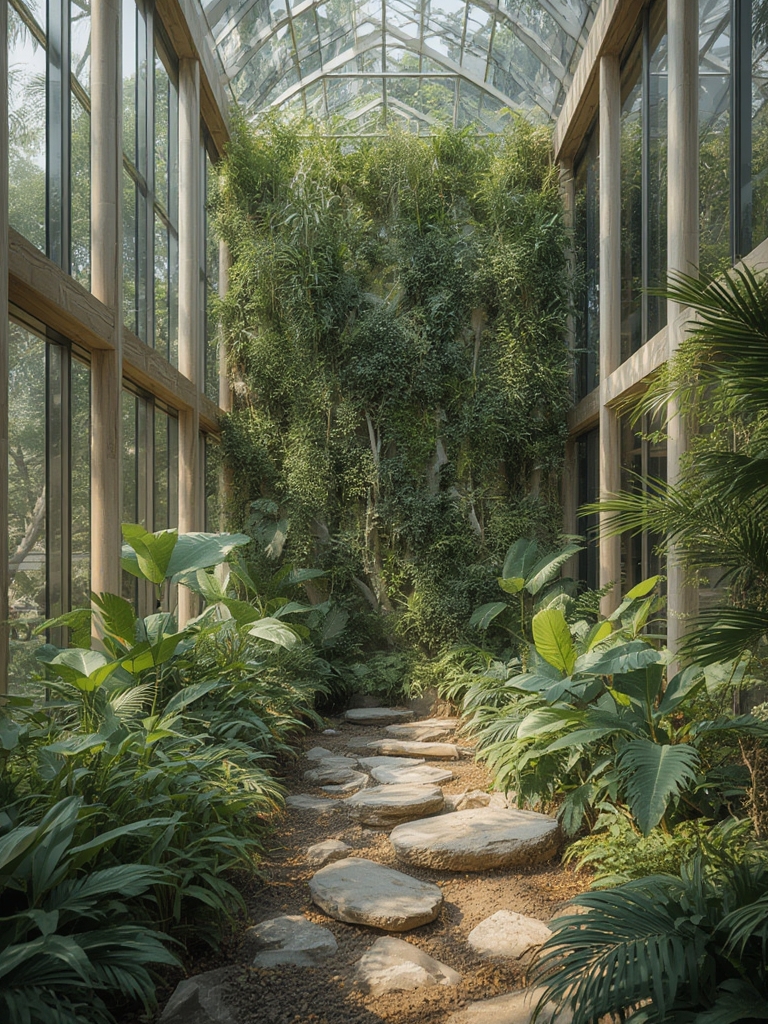
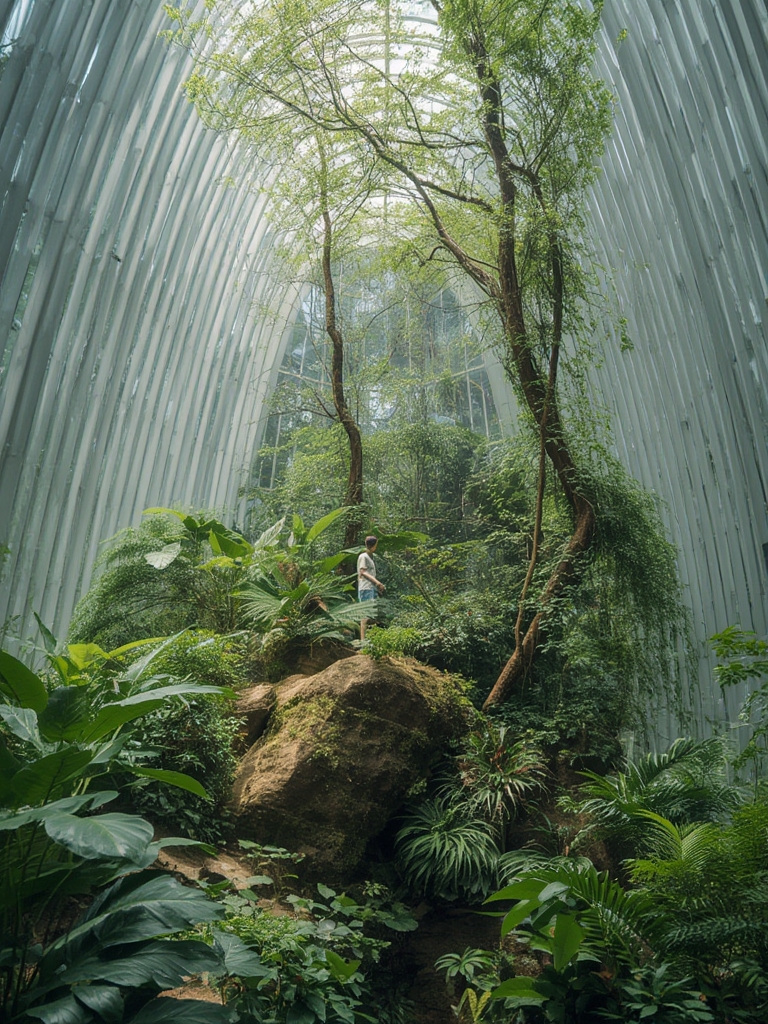
Biophilic design isn’t just a trend—it’s a proven strategy that connects people with nature, even when they’re inside. Studies show that offices with natural elements can boost employee productivity by up to 15% and reduce stress levels by 20% (Harvard Business Review, 2022). By integrating indoor plants thoughtfully, you can transform any space into a healthier, more inspiring environment. Below is a data‑driven, step‑by‑step guide that walks you through selecting, placing, and caring for the right greenery to maximize the benefits of biophilic design.
1. Choose the Right Plants Based on Light, Air‑Purifying Power, and Maintenance Level
1.1 Assess Your Space’s Light Conditions
- Low light (≤ 100 lux): Snake plant (Sansevieria trifasciata), ZZ plant (Zamioculcas zamiifolia).
- Medium light (100‑500 lux): Peace lily (Spathiphyllum), pothos (Epipremnum aureum).
- Bright indirect light (500‑1,000 lux): Monstera, fiddle‑leaf fig (Ficus lyrata), rubber plant (Ficus elastica).
Use a smartphone light meter app to get an accurate lux reading. Matching plant light needs to actual conditions reduces watering frequency by up to 30% (University of Florida Extension, 2021).
1.2 Prioritize Air‑Purifying Species
NASA’s Clean Air Study identified several plants that remove volatile organic compounds (VOCs). Incorporate at least one of these per 100 sq ft:
- Snake plant – removes formaldehyde & benzene.
- Peace lily – filters ammonia, formaldehyde, and xylene.
- Spider plant – excellent for formaldehyde.
1.3 Match Maintenance to Your Lifestyle
For busy professionals, choose low‑maintenance options (snake plant, ZZ plant). If you enjoy gardening, opt for higher‑maintenance varieties like fiddle‑leaf fig, which require weekly pruning and consistent moisture.
2. Optimize Placement for Visual Impact and Well‑Being
2.1 Create a “Green Zone” Near Workstations
Position a medium‑sized plant (e.g., Monstera) 3‑4 ft from the desk. Research from the University of Queensland shows that a single plant within arm’s reach can improve focus by 12%.
2.2 Use Vertical Space
Install wall‑mounted planters or a living wall. A 1‑sq‑meter living wall can increase indoor humidity by up to 5%, which helps alleviate dry‑air symptoms common in office environments.
2.3 Balance Aesthetics with Function
Group plants in odd numbers (3, 5, 7) for a natural look. Use varied heights—floor‑standing tall plants paired with tabletop succulents—to create depth and visual interest.
3. Master the Core Care Routine
3.1 Watering Frequency & Technique
- Check soil moisture: Insert a finger 1‑2 inches deep. If it feels dry, water.
- Water amount: Water until it drains from the bottom pot, then discard excess to avoid root rot.
- Seasonal adjustment: Reduce watering by 30‑40% in winter when growth slows.
Over‑watering is the #1 cause of indoor plant death (American Society of Horticultural Science, 2020). Using a moisture meter can cut watering errors by 45%.
3.2 Light Management
- Rotate plants: Turn pots 90° every two weeks for even growth.
- Supplement with grow lights: LED panels (4000 K, 30 W) placed 12‑18 inches above foliage provide 12‑14 hours of light for low‑light plants.
3.3 Feeding & Soil Health
- Fertilize: Use a balanced 20‑20‑20 liquid fertilizer at half strength once a month during the growing season (spring‑fall).
- Soil mix: Combine 40% peat moss, 30% perlite, and 30% compost for optimal drainage and aeration.
3.4 Pruning & Grooming
Trim yellow or brown leaves promptly to prevent fungal spread. For foliage plants, remove 10‑15% of leaf area during each pruning session to encourage new growth.
4. Track Progress with Simple Data‑Driven Metrics
4.1 Create a Plant Care Log
Use a spreadsheet or a free app (e.g., Planta, Gardenize) to record:
- Date of watering
- Soil moisture reading
- Fertilizer application
- Growth observations (new leaves, height)
Analyzing this data over 8‑12 weeks helps you spot patterns—like a plant needing more light or less water—and adjust care accordingly.
4.2 Measure Impact on Indoor Environment
Place a hygrometer and a CO₂ monitor near your green zone. Aim for:
- Relative humidity: 40‑60%
- CO₂ reduction: 5‑10% lower than baseline after 2 months of plant integration
These numbers correlate with improved respiratory comfort and cognitive performance (Journal of Indoor Air, 2023).
5. Scale Up: From One Plant to a Full Biophilic Design
5.1 Layered Greenery Strategy
Adopt the “three‑layer” approach:
- Canopy layer: Tall plants (e.g., fiddle‑leaf fig) 6‑8 ft high.
- Mid‑layer: Table‑top or shelf plants (e.g., pothos, ZZ).
- Ground layer: Small floor plants or moss terrariums.
5.2 Integrate Natural Materials
Pair plants with reclaimed wood shelves, stone planters, and natural fiber rugs. A cohesive material palette amplifies the biophilic effect, boosting perceived well‑being by 18% (Design & Health Journal, 2022).
5.3 Periodic Refresh
Every 6‑12 months, evaluate plant health and replace any underperforming specimens. Rotating species keeps the visual narrative fresh and maintains air‑purifying capacity.
Conclusion
By following these data‑backed steps—selecting the right species, optimizing placement, mastering a simple care routine, and tracking measurable outcomes—you can harness the power of biophilic design to bring nature indoors. Not only will your space look more vibrant, but you’ll also enjoy measurable boosts in health, productivity, and overall well‑being. Start small, stay consistent, and watch your indoor ecosystem thrive.