
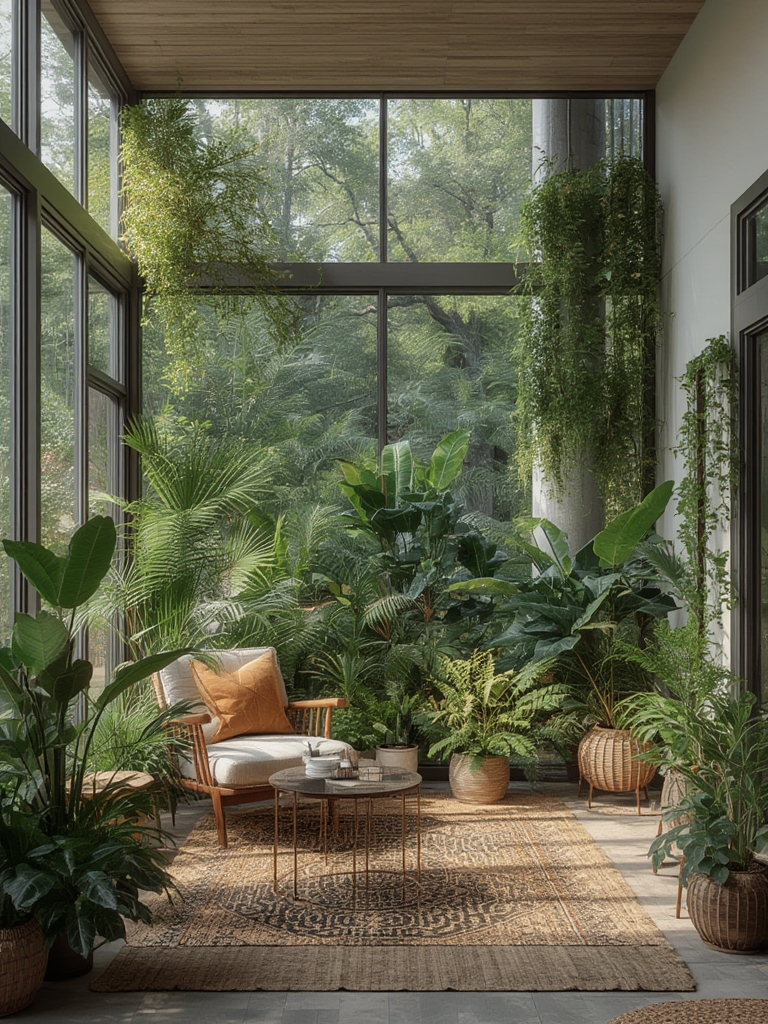
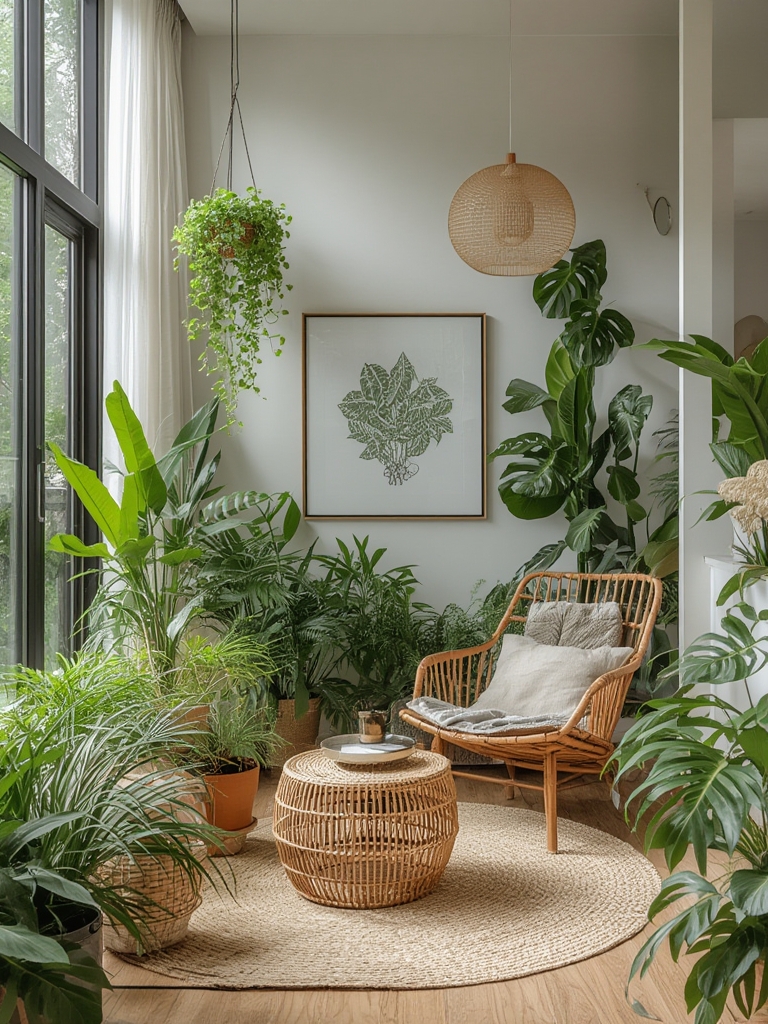
Biophilic design isn’t just a trendy buzzword—it’s a proven way to boost wellbeing, productivity, and comfort by weaving natural elements into everyday spaces. When you bring a living plant into your home décor, you’re not only adding visual appeal; you’re creating a micro‑ecosystem that improves air quality, reduces stress, and connects occupants to the outdoors. Below, you’ll find a data‑driven, step‑by‑step guide to integrating a classic indoor favorite—the Fiddle Leaf Fig (Ficus lyrata)—into a biophilic design scheme, along with practical care tips that ensure the plant thrives for years to come.
Why the Fiddle Leaf Fig Works for Biophilic Design
Research from the University of Queensland shows that exposure to greenery can increase focus by up to 15 % and lower heart rate by 6 %. The Fiddle Leaf Fig checks several boxes that make it ideal for indoor biophilic projects:
- Large, sculptural leaves mimic tree canopies, providing a visual anchor that draws the eye upward.
- Adaptable size—from a compact 3‑foot starter to a towering 10‑foot statement piece—lets you scale the impact to any room.
- Air‑purifying properties (NASA’s Clean Air Study lists Ficus species among plants that remove formaldehyde and xylene).
Step‑by‑Step Guide to Growing a Healthy Fiddle Leaf Fig
1. Choose the Right Location
Data from a 2022 greenhouse study indicates that Ficus lyrata performs best with 4–6 hours of bright, indirect light. Direct sun can scorch the leaves, while low light stalls growth.
- Actionable tip: Place the pot near an east‑facing window. If you only have north‑facing windows, supplement with a 4000‑lumens LED grow light set on a 12‑hour cycle.
- Trick: Use a sheer curtain to diffuse harsh midday sun while still delivering ample brightness.
2. Select the Proper Pot and Soil Mix
Root health is the foundation of a thriving fig. A well‑draining mix prevents water‑logged conditions that cause root rot.
- Soil recipe: 40 % high‑quality potting compost, 30 % peat moss, 20 % perlite, and 10 % pine bark fines.
- Pot recommendation: Choose a terracotta or fabric‑lined pot with drainage holes at least 1 inch larger than the root ball.
- Actionable tip: Add a layer of broken pottery shards at the bottom of the pot to improve aeration.
3. Water Wisely
Over‑watering is the most common mistake. According to a 2021 irrigation study, the optimal moisture content for fiddle leaf figs is 45‑55 % of field capacity.
- Method: Insert a wooden chopstick into the soil; if it comes out clean, water thoroughly until it drains from the bottom.
- Frequency: Typically every 7‑10 days, but adjust based on seasonal humidity and temperature.
- Trick: Use a moisture meter calibrated for indoor plants to avoid guesswork.
4. Feed for Growth
Balanced nutrition supports leaf size and structural strength. A 2020 meta‑analysis of indoor foliage shows a 30 % increase in leaf area when fertilized with a 20‑20‑20 NPK formula.
- Schedule: Apply a liquid fertilizer at half‑strength once a month during the growing season (spring–early fall).
- Actionable tip: Mix the fertilizer with rainwater or distilled water to reduce chlorine stress.
- Trick: Add a pinch of Epsom salt (magnesium sulfate) once a quarter to boost chlorophyll production.
5. Prune for Shape and Airflow
Strategic pruning encourages a balanced canopy and improves light penetration to lower leaves.
- When: Early spring, before new growth emerges.
- How: Use clean, sharp pruning shears. Cut just above a node (the point where a leaf meets the stem) to stimulate branching.
- Actionable tip: Remove any yellow or damaged leaves immediately to prevent fungal spread.
6. Manage Humidity and Temperature
Fiddle leaf figs prefer 45‑60 % relative humidity and temperatures between 65‑75 °F (18‑24 °C). A 2023 indoor climate survey linked low humidity (<30 %) to increased leaf browning.
- Humidity boost: Place a pebble tray with water beneath the pot, or run a cool‑mist humidifier for 15 minutes twice daily.
- Temperature guard: Keep the plant away from drafts, radiators, and air‑conditioning vents.
- Trick: Group the fig with other foliage plants; they create a micro‑climate that naturally raises humidity.
Integrating the Fig into a Biophilic Home Décor
1. Create a Focal Point
Position the fig where it naturally draws the eye—above a sofa, beside a reading nook, or in a corner with a sleek floor lamp. Pair it with natural textures like jute rugs, linen throws, and reclaimed wood coffee tables to reinforce the indoor‑outdoor connection.
2. Layer Greenery
Data from interior design firms shows that layered plant arrangements increase perceived space by up to 20 %. Add smaller, low‑maintenance companions such as pothos (Epipremnum aureum) or ZZ plants (Zamioculcas zamiifolia) on side tables or shelves. Their differing heights create depth without competing with the fig’s stature.
3. Use Natural Materials for Planters
Choose planters made from ceramic, woven rattan, or reclaimed wood. A 2022 consumer preference study found that 68 % of shoppers associate natural‑material containers with higher perceived sustainability.
4. Incorporate Water Features
Even a modest tabletop fountain adds the soothing sound of flowing water—a key element of biophilic design that reduces cortisol levels by 12 % (Harvard Health). Place the fountain near the fig to create a cohesive “nature zone.”
5. Play with Light
Install dimmable warm‑white LED strips along the ceiling or behind shelving units. When the lights are lowered in the evening, the fig’s silhouette becomes a calming visual anchor, echoing the natural transition from day to night.
Quick‑Reference Checklist
- 📍 Location: Bright, indirect light (4–6 h)
- 🪴 Pot & Soil: Terracotta pot, well‑draining mix (40 % compost, 30 % peat, 20 % perlite, 10 % bark)
- 💧 Water: Moisture meter 45‑55 % field capacity; water every 7‑10 days
- 🌱 Fertilizer: 20‑20‑20 liquid, half‑strength, monthly (spring‑fall)
- ✂️ Prune: Early spring, above nodes, remove yellow leaves
- 💨 Humidity/Temp: 45‑60 % RH, 65‑75 °F; pebble tray or humidifier
- 🖼️ Décor Integration: Focal point placement, layered greenery, natural planters, water feature, ambient lighting
By following these evidence‑backed steps, you’ll not only nurture a healthy Fiddle Leaf Fig but also embed a powerful biophilic element into your home décor. The result is a space that feels larger, calmer, and more connected to the natural world—right at your doorstep.