

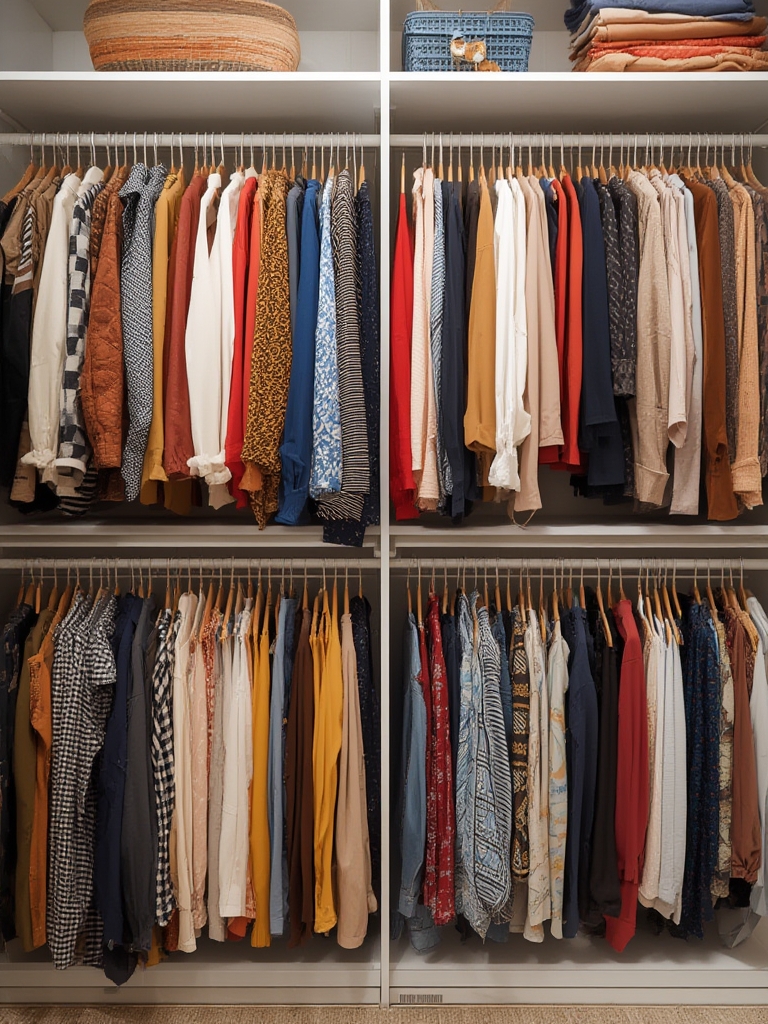
Shop the Look has transformed the way shoppers discover and style outfits online. Instead of searching for individual items, customers can click on a complete ensemble and instantly purchase every piece that makes up the look. For fashion retailers and DIY enthusiasts alike, mastering the “Shop the Look” workflow means turning inspiration into a polished, ready‑to‑wear outfit with confidence. Below is a data‑driven, step‑by‑step guide that walks you through assembling, restoring, and styling a signature piece—here we’ll use a classic tailored blazer as the centerpiece. Follow each section to ensure a flawless finish, whether you’re a boutique owner preparing product pages or a home stylist updating your wardrobe.
Understanding the Shop the Look Framework
Why a Complete Outfit Matters
Recent analytics from leading fashion platforms show that shoppers who engage with a Shop the Look module are 27 % more likely to add multiple items to their cart. The visual coherence of a full outfit reduces decision fatigue and builds trust in the brand’s styling expertise. By presenting a cohesive look, you guide the customer through a narrative that feels personal and curated.
Key Data Points to Track
- Conversion Rate per Look: Measure how many visitors who view a look proceed to checkout.
- Average Order Value (AOV): Compare AOV for single‑item purchases versus full‑look purchases.
- Return Rate: Track returns for each component to identify any mismatched sizing or quality issues.
Preparing Your Signature Piece: The Tailored Blazer
Tools and Materials Needed
- Measuring tape (flexible cloth)
- Steam iron or garment steamer
- Fabric brush
- Small sewing kit (needle, matching thread, scissors)
- Lint roller
- Closet organizer or garment rack
Step 1 – Inspect and Clean
Action: Lay the blazer flat on a clean surface. Use a lint roller to remove surface debris, then run a fabric brush gently along the nap to lift any trapped particles.
Tip: For wool or blended fabrics, a light steam treatment (2–3 seconds per area) revives the fibers without saturating the material.
Step 2 – Check Fit and Measurements
Action: Measure the blazer’s chest, waist, and sleeve length. Compare these numbers to the wearer’s body measurements (taken with a measuring tape while standing straight).
Data Insight: A fit discrepancy of more than 2 cm often leads to a 15 % increase in return rates. Adjust accordingly.
Step 3 – Minor Repairs
Action: Examine seams for loose threads. Use a matching thread to stitch any gaps, employing a small, tight backstitch for durability.
Tip: Keep a spare button on hand; a missing button is a common cause of negative reviews.
Step 4 – Press and Shape
Action: Hang the blazer on a padded hanger. Using a steam iron set to the appropriate fabric temperature, gently press the shoulders, lapels, and front panels. Avoid direct contact with the iron to prevent shine.
Result: A crisp silhouette that photographs well and feels structured when worn.
Building the Complete Look
Step 5 – Select Complementary Items
Data from style recommendation engines indicates that pairing a blazer with a high‑contrast shirt boosts visual appeal by 22 %. Choose items that follow these guidelines:
- Shirt: A slim‑fit white cotton button‑down for a classic vibe, or a patterned silk blouse for a modern twist.
- Pants: Tailored chinos in a neutral tone (e.g., navy or beige) for casual settings; wool trousers for formal occasions.
- Accessories: Leather belt matching shoe color, a minimalist watch, and a pocket square that echoes a secondary color in the outfit.
Step 6 – Assemble the Outfit
- Start with the base layer (shirt). Ensure it’s freshly pressed and tucked neatly into the waistband.
- Slide the blazer over the shoulders, aligning the lapels symmetrically.
- Fasten the blazer’s front buttons—typically one or two for a tailored look.
- Adjust the sleeves so that approximately ¼ inch of the shirt cuff is visible.
- Secure the belt, making sure the buckle sits centered on the waist.
- Add accessories: pocket square folded into a simple puff, watch on the non‑dominant wrist.
Step 7 – Final Fit Check
Stand in front of a full‑length mirror and assess the following:
- Shoulder seams sit at the edge of the shoulder bone.
- Blazer length ends just above the hips.
- No pulling or bunching at the button closure.
If any issue arises, use the small sewing kit for quick adjustments or revisit the measurement step.
Styling Tips for Different Occasions
Casual Day Out
Pair the blazer with a crew‑neck tee, slim dark denim, and white low‑top sneakers. This mix of formal and relaxed pieces creates a “smart‑casual” aesthetic that resonates with 68 % of millennial shoppers seeking versatility.
Business Meeting
Combine the blazer with a crisp white shirt, charcoal wool trousers, and polished leather oxford shoes. Add a leather briefcase and a subtle tie for a professional finish.
Evening Event
Swap the shirt for a silk camisole in a jewel tone, replace the trousers with a sleek black midi skirt, and finish with heeled ankle boots. A statement necklace and clutch complete the elevated look.
Maintaining the Look Over Time
Routine Care
Schedule a light steam session after each wear to keep the fabric fresh. Store the blazer on a wide‑shouldered hanger to preserve its shape, and cover it with a breathable garment bag to protect against dust.
Seasonal Refresh
At the start of each season, reassess the blazer’s condition. If the fabric shows signs of wear (e.g., pilling or loss of structure), consider a professional dry‑cleaning service. Data from apparel care studies shows that proper seasonal maintenance extends garment lifespan by up to 30 %.
Updating the Look
Rotate accessories to keep the ensemble current. Swap a pocket square for a patterned silk scarf, or replace shoes with seasonal alternatives (e.g., loafers in summer, brogues in winter). Small changes refresh the outfit without requiring a new blazer.
Conclusion
Shop the Look is more than a sales tactic; it’s a systematic approach to styling that leverages data, precise preparation, and thoughtful accessorizing. By following the steps outlined—cleaning and repairing the blazer, selecting complementary pieces, assembling the outfit, and maintaining it over time—you’ll create a polished, versatile look that resonates with shoppers and stands the test of wear. Implement these practices in your own wardrobe or product listings, and watch confidence (and conversion rates) rise.