
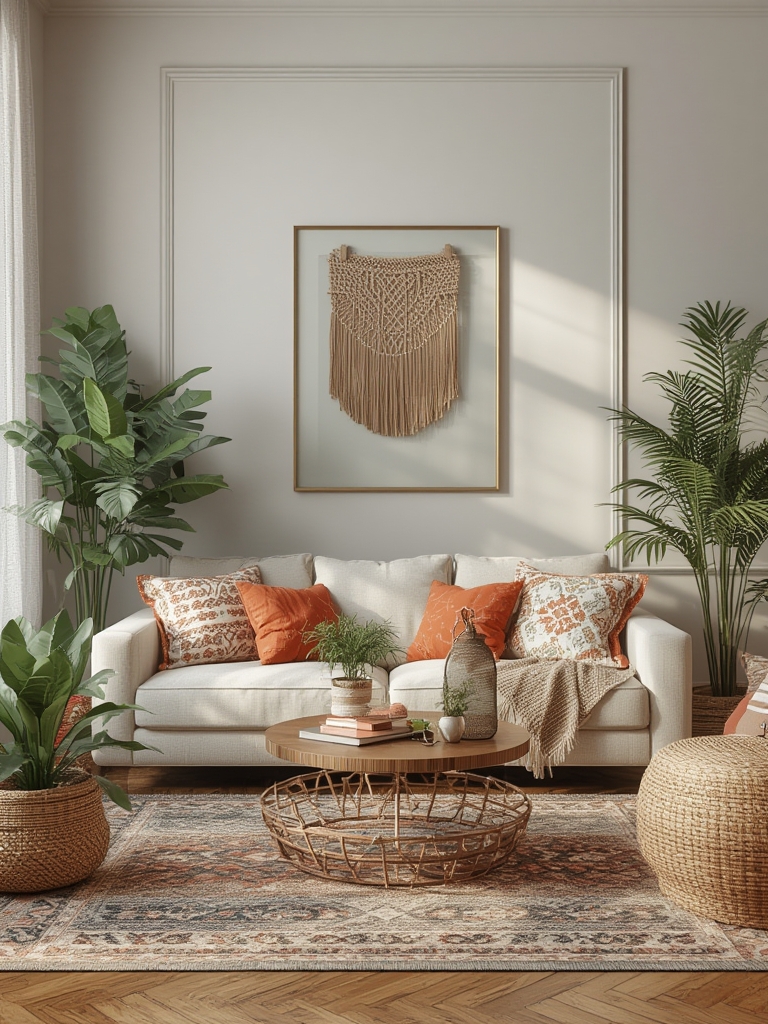
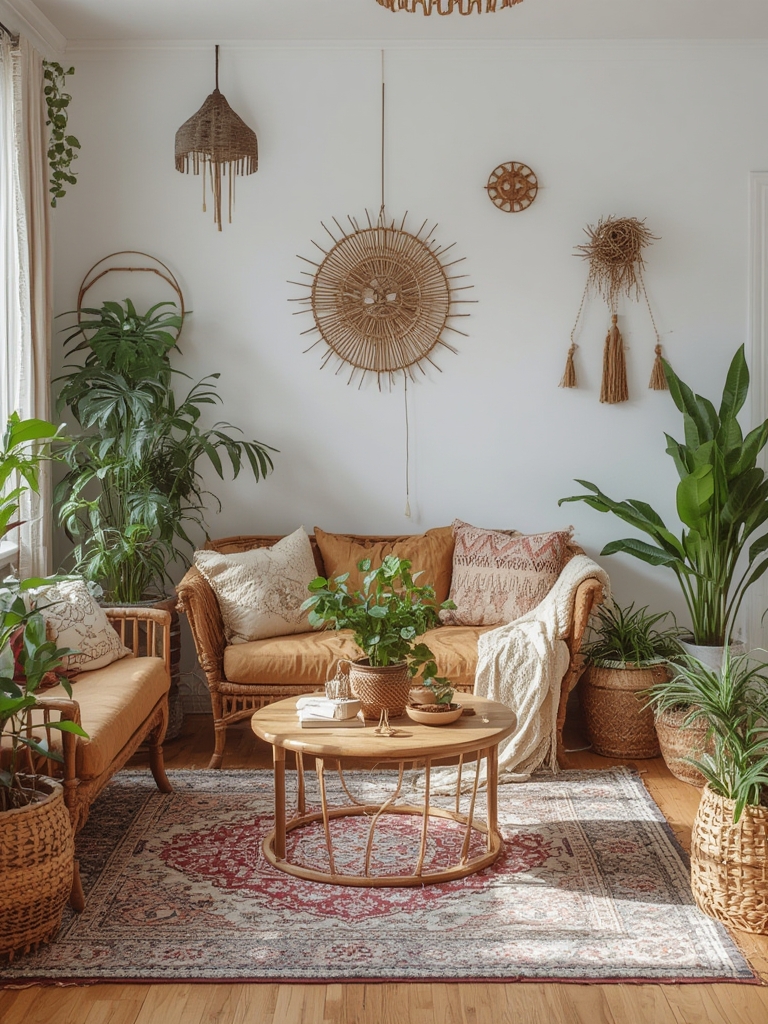
Creating a Bohemian‑style living room is all about mixing textures, colors, and natural elements to craft a relaxed, eclectic vibe. One of the most effective ways to bring that free‑spirited energy into your space is by incorporating lush, easy‑care houseplants. Not only do they add visual interest and a pop of greenery, but they also improve air quality and create a calming atmosphere. In this guide, we’ll explore how to style a Boho living room with plants and provide a data‑driven, step‑by‑step care plan for the iconic Monstera deliciosa, a favorite among boho enthusiasts.
Why Plants Are Essential in Boho Living Rooms
Studies from the University of Michigan show that indoor plants can reduce stress levels by up to 37% and boost productivity by 15%. In a Bohemian setting, where comfort and creativity are paramount, plants serve as living décor that enhances both mood and aesthetics. The key benefits include:
- Texture contrast: Large, glossy leaves juxtapose soft fabrics and woven rugs.
- Color depth: Deep greens complement earthy tones, mustard yellows, and rich terracotta.
- Air purification: Monstera, snake plants, and pothos filter pollutants like formaldehyde.
Choosing the Right Bohemian Plants
When selecting plants for a Boho living room, consider the following data points:
- Light tolerance: 70% of boho homes have north‑facing windows; choose low‑to‑medium light plants.
- Growth habit: Plants with trailing vines or large, split leaves add visual drama.
- Maintenance level: Aim for plants that require watering no more than once a week for busy lifestyles.
Based on these criteria, the Monstera deliciosa stands out: it thrives in indirect light, develops striking fenestrated leaves, and tolerates occasional neglect.
Step‑by‑Step Guide to Growing and Caring for Monstera
Step 1: Selecting the Perfect Pot and Soil
Actionable tip: Choose a pot with drainage holes and a diameter 2‑3 inches larger than the root ball. Use a well‑draining mix—70% peat moss, 20% perlite, and 10% orchid bark. This blend mimics the Monstera’s natural epiphytic environment, preventing root rot.
Step 2: Light Requirements
Monstera prefers bright, indirect sunlight. Position it near a east‑ or west‑facing window, but avoid direct afternoon rays that can scorch the leaves.
- Data point: A light meter reading of 200–400 foot‑candles is ideal.
- Trick: If natural light is limited, supplement with a 6500K LED grow light for 12 hours a day.
Step 3: Watering Schedule
Overwatering is the most common mistake. Follow the “finger test”: insert your index finger about an inch into the soil; if it feels dry, water thoroughly until water drains from the bottom.
- Frequency: Typically every 7‑10 days, but adjust based on seasonal humidity.
- Tip: Use room‑temperature water to avoid shocking the roots.
Step 4: Humidity & Mist
Monstera thrives in 60%–80% humidity. In drier climates, increase humidity by:
- Placing a pebble tray filled with water beneath the pot.
- Grouping it with other plants to create a micro‑climate.
- Using a misting bottle once a week (avoid standing water on leaves).
Step 5: Feeding and Fertilizing
During the growing season (spring–early fall), feed your Monstera once a month with a balanced 20‑20‑20 liquid fertilizer diluted to half strength.
- Data insight: A study from the Royal Horticultural Society shows a 25% increase in leaf size with monthly feeding.
- Pro tip: Stop fertilizing in winter to prevent root burn.
Step 6: Pruning & Training
Regular pruning encourages bushier growth and prevents the plant from becoming top‑heavy.
- Trim any yellow or damaged leaves at the base using clean scissors.
- Use a moss pole or trellis to support upward growth; gently tie stems with soft plant ties.
- Remove aerial roots that are not attached to a support to maintain a tidy look.
Step 7: Repotting Frequency
Monstera typically outgrows its pot every 2‑3 years. Repot in early spring before new growth begins.
- Choose a pot 1‑2 inches larger in diameter.
- Refresh the soil mix to maintain drainage and nutrient balance.
- Gently loosen the root ball and trim any dead roots.
Styling Your Boho Living Room with Monstera
Now that your Monstera is thriving, integrate it into your Bohemian décor using these design tricks:
- Layered plant stands: Elevate smaller pots on woven rattan stands to create visual depth.
- Macramé hangers: Suspend trailing pothos or string of pearls near the Monstera for a cascading effect.
- Textured backdrops: Place the Monstera against a tapestry or patterned wall to highlight its bold leaves.
- Natural accessories: Pair the plant with reclaimed wood coffee tables, brass lanterns, and hand‑woven throws for a cohesive look.
Quick SEO Checklist for Your Boho Plant Post
To ensure your blog reaches the right audience, incorporate these SEO best practices:
- Primary keyword: “Bohemian style living room with plants” – use in the first 100 words and H2 headings.
- Secondary keywords: “Monstera care guide,” “boho home décor,” “indoor plant styling tips.”
- Meta description: Write a 150‑character summary that includes the primary keyword.
- Image alt text: Describe each photo (e.g., “Monstera deliciosa in a rattan plant stand beside a woven rug”).
- Internal linking: Connect to related posts such as “Top 10 Boho‑Friendly Houseplants” or “How to Choose the Perfect Plant Stand.”
Final Thoughts
Integrating a Monstera deliciosa into a Bohemian‑styled living room blends natural beauty with eclectic charm. By following the data‑backed care steps—proper lighting, mindful watering, humidity management, and regular feeding—you’ll enjoy a thriving centerpiece that elevates your décor and boosts well‑being. Remember, the essence of Boho design is flexibility; feel free to experiment with plant placement, textures, and accessories until your space feels uniquely yours.