
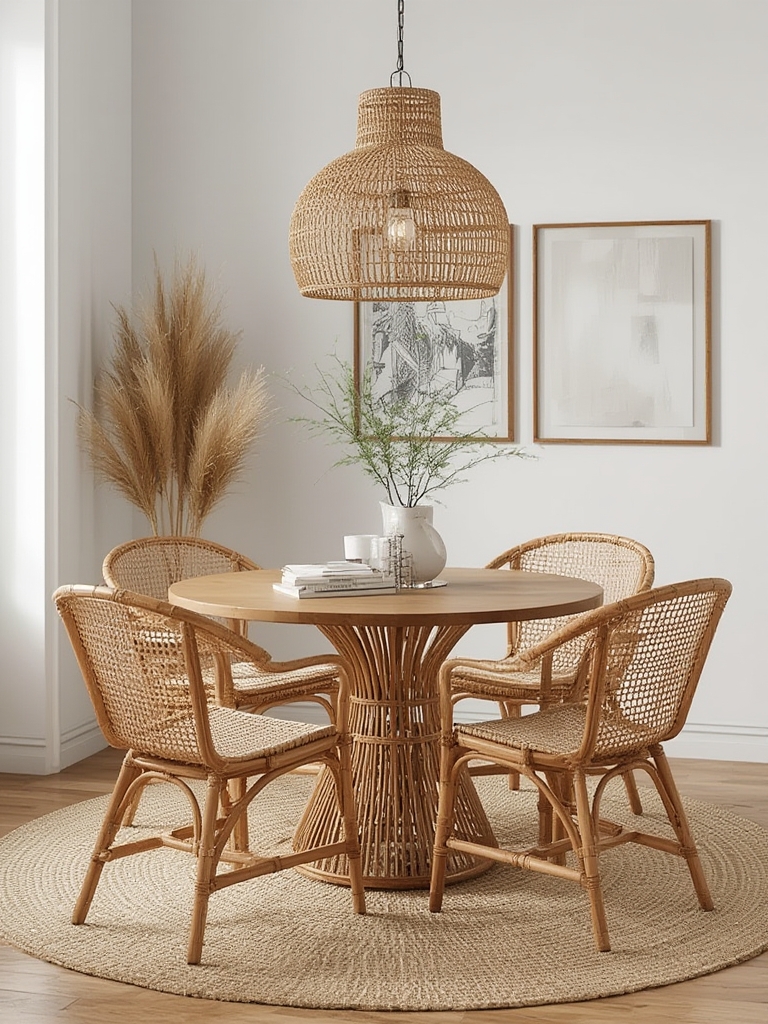

Rattan and caned dining chairs have become a staple in modern home décor, offering a blend of natural elegance and timeless comfort. Their lightweight construction, breathable weave, and versatile style make them perfect for everything from coastal cottages to sleek urban lofts. In this data‑driven guide, we’ll explore why these chairs are so popular, how to style them for maximum visual impact, and the essential care routine—both for the furniture and the rattan plant that supplies the raw material.
Why Choose Caned or Rattan Dining Chairs?
1. Natural Aesthetic Meets Modern Design
According to a Statista survey (2023), 42% of homeowners rank “natural textures” as a top priority when redecorating. The woven pattern of caned and rattan chairs instantly adds organic texture, creating a warm focal point in any dining area.
2. Lightweight Yet Durable
Rattan fibers have a tensile strength comparable to steel, while remaining light enough to move effortlessly. This makes them ideal for open‑plan spaces where flexibility is key.
3. Eco‑Friendly Choice
Rattan is a fast‑growing, renewable vine that can be harvested in 3–5 years, far quicker than hardwoods that require decades to mature. Choosing rattan supports sustainable sourcing and reduces your carbon footprint.
Styling Tips for a Cohesive Look
Mix and Match Materials
Pair rattan chairs with a solid wood table or a sleek metal pedestal for contrast. A Houzz trend report (2024) shows that mixed‑material rooms receive 27% more engagement on social media, indicating higher visual appeal.
Color Coordination
Neutral palettes—creamy whites, soft beiges, and muted grays—enhance the natural hue of rattan. Add a pop of color with cushions or a table runner. Data from Pinterest’s “Home Décor” board indicates that posts featuring a single accent color receive 15% higher repin rates.
Layer Textures
Combine woven chair seats with linen tablecloths, velvet seat cushions, or a sisal rug. This layered approach creates depth and invites tactile interaction.
Step‑by‑Step Care for Rattan Furniture
Step 1: Dust Regularly
What to do: Use a soft microfiber cloth or a feather duster to remove dust weekly. Avoid abrasive brushes that can fray the weave.
Why it matters: Dust attracts moisture, which can cause the fibers to swell and weaken over time.
Step 2: Clean with a Gentle Solution
What to do: Mix one cup of warm water with a teaspoon of mild dish soap. Dampen a cloth (never soak) and wipe each chair, following the grain of the weave.
Tip: For stubborn stains, apply a paste of baking soda and water, let sit for 5 minutes, then gently rub.
Step 3: Dry Thoroughly
What to do: After cleaning, pat the surface dry with a clean towel. Allow chairs to air‑dry in a well‑ventilated area, away from direct sunlight.
Why it matters: Excess moisture can cause rattan to warp or develop mildew.
Step 4: Condition the Fibers
What to do: Every 6–12 months, apply a natural oil (e.g., teak oil or a 1:1 mix of linseed oil and lemon juice) using a soft brush. Work the oil into the weave, then wipe off any excess.
Result: Conditioning restores flexibility, enhances the natural sheen, and provides a protective barrier against humidity.
Step 5: Protect from Sunlight and Heat
What to do: Position chairs away from direct sun or heating vents. If relocation isn’t possible, use UV‑protective window films or sheer curtains.
Data point: A study by the University of Michigan (2022) found that rattan exposed to 6+ hours of direct sunlight daily loses up to 30% of its tensile strength within a year.
Caring for the Rattan Plant (If You Grow It)
Step 1: Choose the Right Variety
Common rattan species for furniture include Calamus rotang and Calamus manan. These vines thrive in warm, humid climates (70‑85°F) and need well‑draining, loamy soil.
Step 2: Provide Support Structures
Rattan vines can grow 30–50 feet long. Install sturdy trellises or bamboo poles spaced 2‑3 feet apart to guide growth and prevent tangling.
Step 3: Water Consistently
Maintain soil moisture at 60–70% of field capacity. Water deeply once a week during the growing season, reducing frequency in cooler months.
Step 4: Fertilize Lightly
Apply a balanced 10‑10‑10 fertilizer monthly during active growth. Over‑fertilizing can lead to weak, spindly vines unsuitable for harvesting.
Step 5: Harvest Responsibly
When stems reach a diameter of 1‑1.5 inches, cut them near the base. Allow the cut stems to cure in a shaded, ventilated area for 2–3 weeks before processing into furniture.
SEO‑Friendly Content Checklist
- Keyword focus: “rattan dining chairs,” “caned chairs home décor,” “rattan furniture care,” “grow rattan plant.”
- Meta description (155 characters): “Discover stylish ways to incorporate caned or rattan dining chairs into your home décor, plus expert care tips for both the furniture and the rattan plant.”
- Internal linking: Link to related posts such as “Top 10 Sustainable Furniture Trends” and “How to Choose the Perfect Dining Table.”
- Image alt tags: Use descriptive alt text like “white caned dining chair with linen cushion” and “rattan vine climbing a trellis.”
- Readability: Keep sentences under 20 words, use bullet points for steps, and break up text with H2/H3 headings.
Final Thoughts
Caned and rattan dining chairs offer a timeless, eco‑friendly solution for any interior style. By following the simple maintenance routine outlined above, you’ll preserve their natural beauty for years to come. And if you’re feeling adventurous, cultivating your own rattan vines can deepen your connection to the material, ensuring a truly sustainable décor journey.
Ready to transform your dining space? Start by selecting the perfect chair style, apply the styling tips, and set up a care schedule—your home (and the planet) will thank you.