
Category: Decor Psychology & Wellness
-
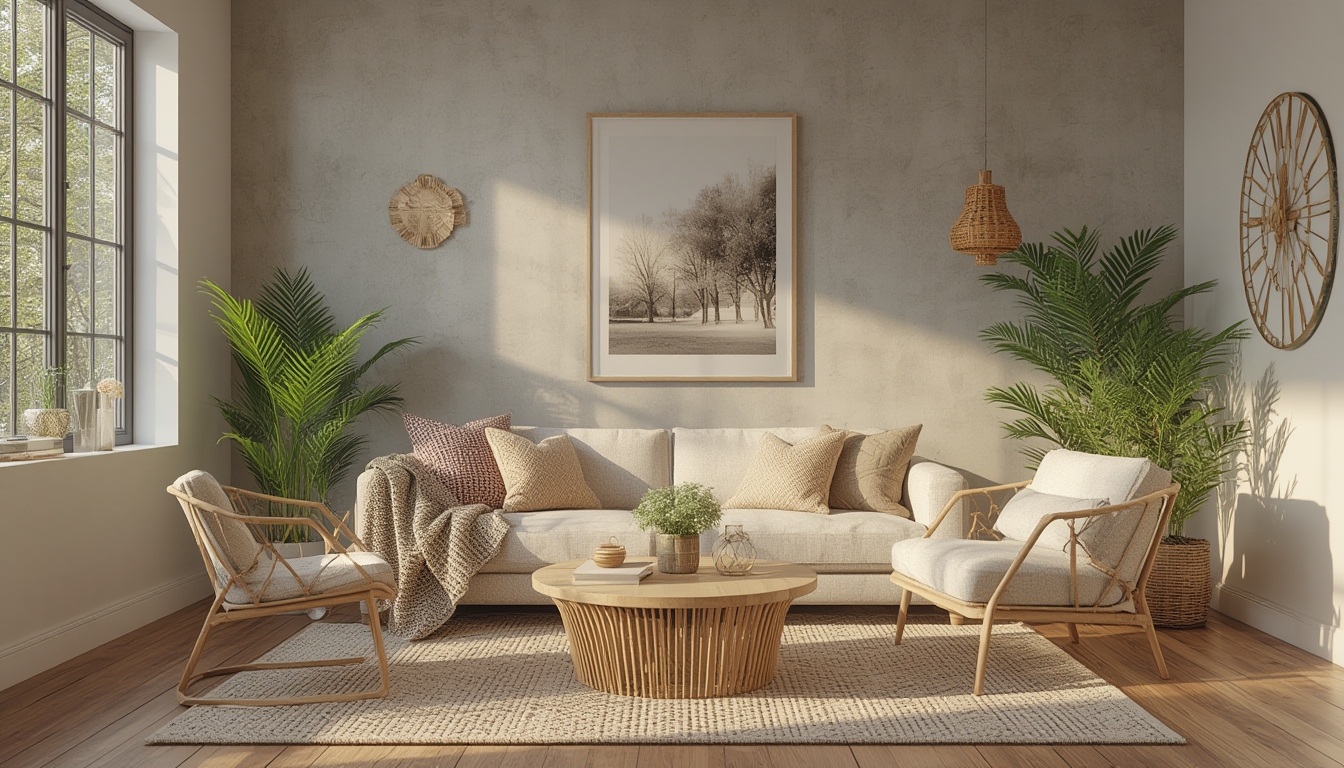
When we talk about interior design, it’s easy to focus on color palettes, furniture trends, or the latest décor accessories. Yet, the deeper layer that truly shapes how a space feels—and how it influences our mental and physical health—is the psychology behind décor. By intentionally pairing design choices with wellness principles, you can transform any…
-
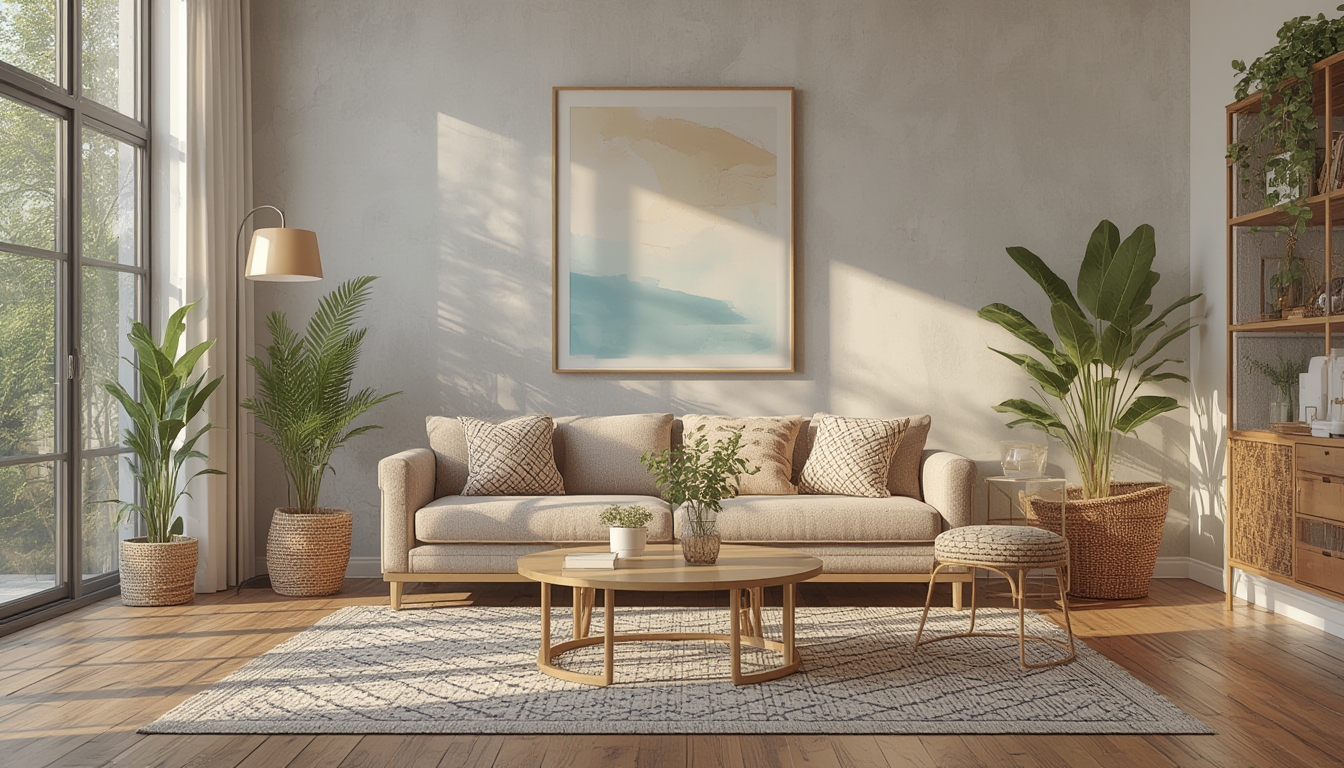
When we think about interior design, we often focus on aesthetics—color palettes, furniture shapes, and decorative accents. Yet, the true power of décor lies in its psychological impact on our well‑being. By understanding how colors, textures, lighting, and spatial arrangement affect mood and stress levels, you can intentionally craft spaces that nurture mental health, boost…
-
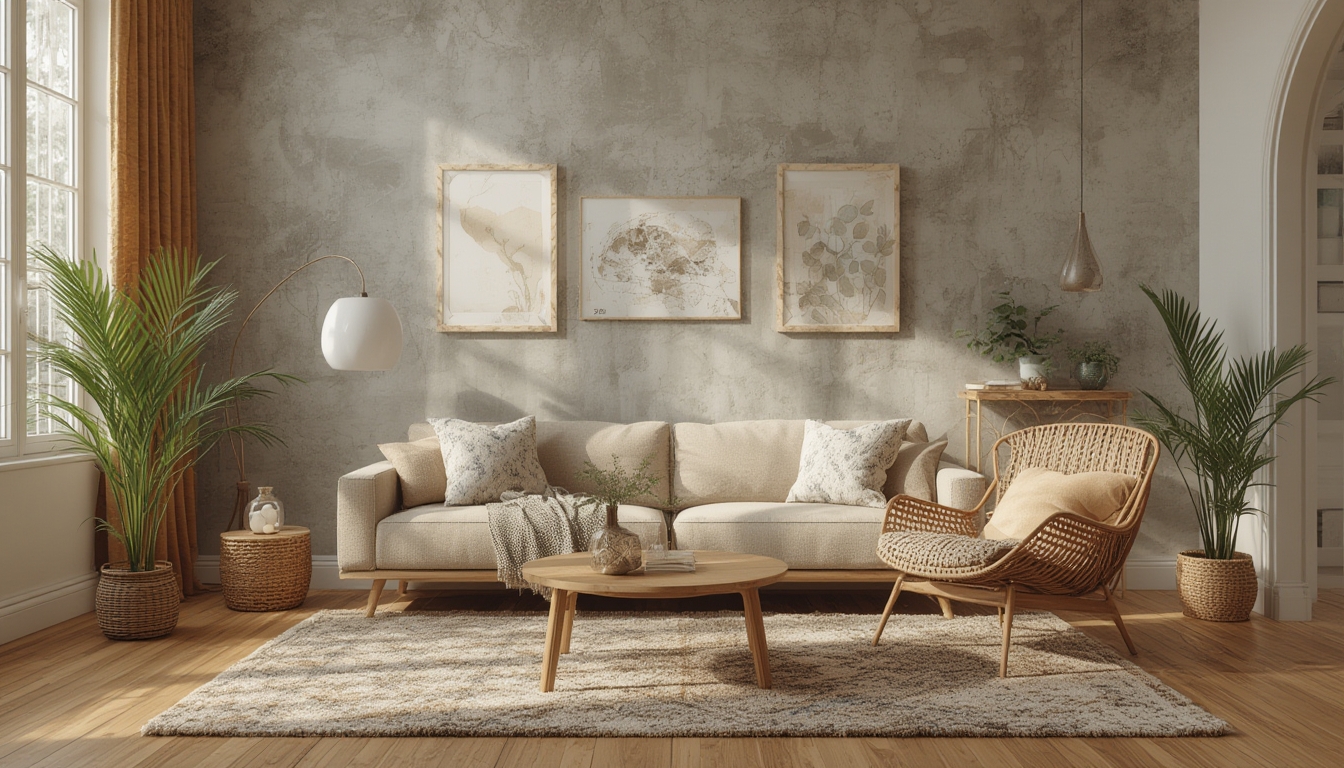
When you step into a room, the subtle cues of color, texture, layout, and lighting instantly influence your mood, stress level, and overall sense of well‑being. This isn’t a coincidence—decor psychology is the study of how interior design elements affect the human mind, and it can be deliberately harnessed to create spaces that promote calm,…
-
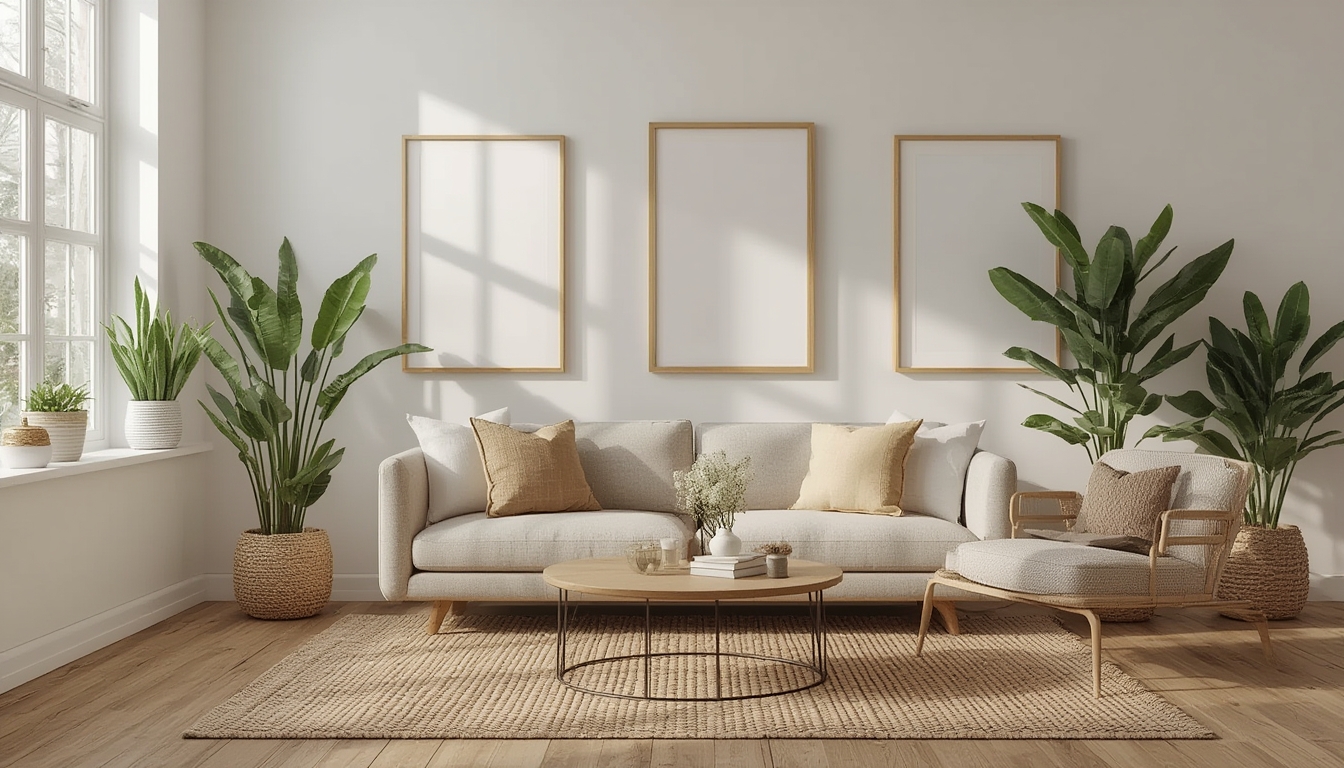
When we walk into a room, we instantly pick up on colors, textures, lighting, and layout—subtle cues that shape our mood, stress levels, and overall well‑being. This phenomenon, known as decor psychology, is backed by a growing body of research linking interior design choices to measurable health outcomes. By applying data‑driven insights, you can transform…
-
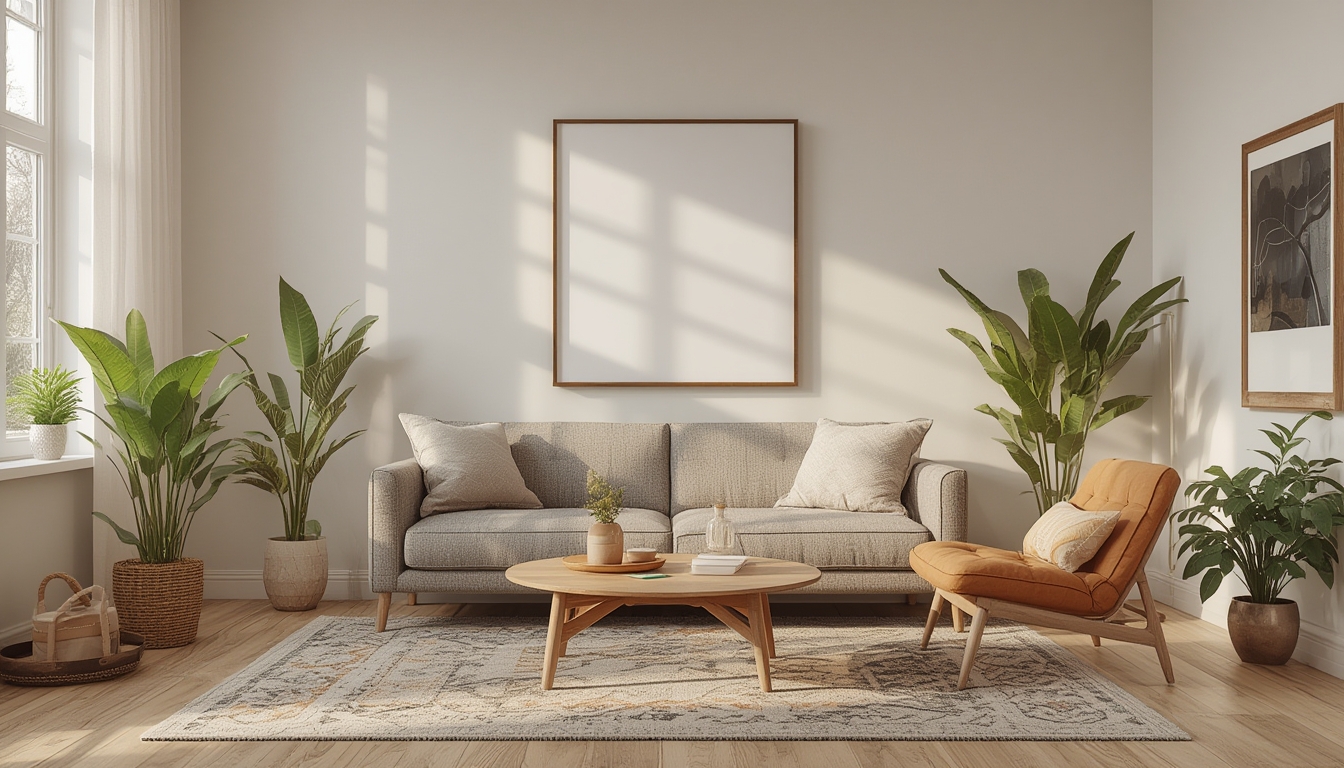
When we think about interior design, we often focus on aesthetics—color palettes, furniture styles, and decorative accents. Yet, the true power of a well‑designed space lies in its psychological impact. By understanding decor psychology, you can create environments that not only look beautiful but also promote mental clarity, emotional balance, and overall wellness. Below is…
-
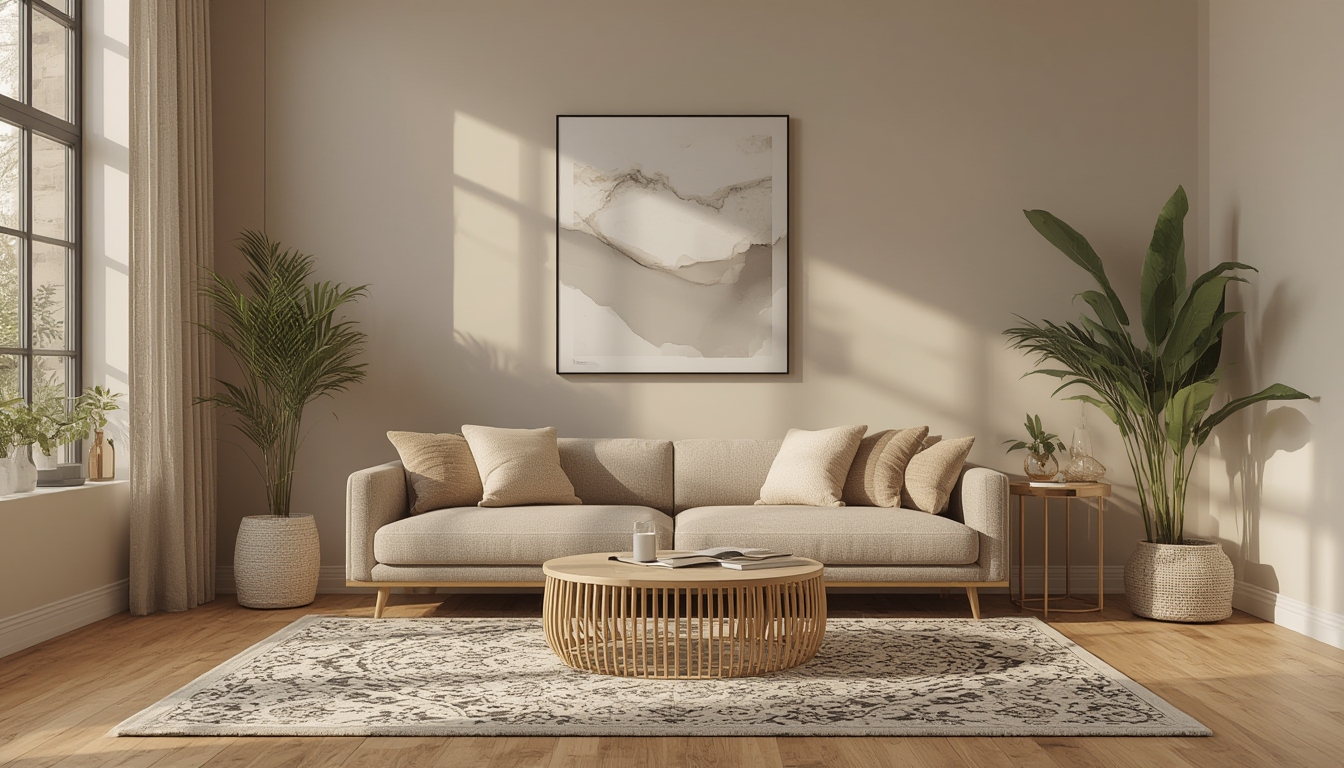
Understanding the link between interior design and mental well‑being can transform any space from a simple room into a therapeutic sanctuary. Research shows that colors, textures, lighting, and layout directly affect stress levels, focus, and overall mood. This guide walks you through a data‑driven, step‑by‑step process to style your home using decor psychology principles that…
-
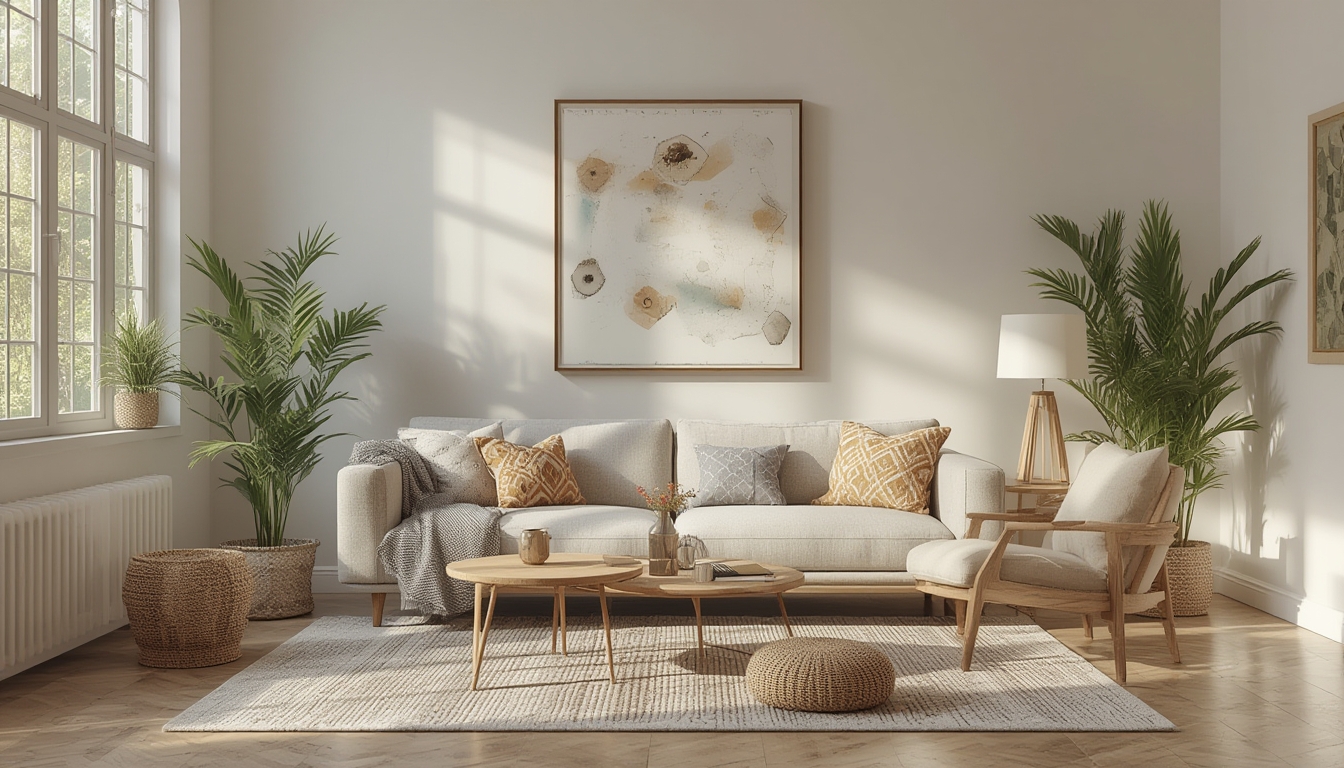
When it comes to creating a home that nurtures both the mind and body, the science of decor psychology offers a roadmap to wellness through intentional design. By understanding how colors, textures, lighting, and layout influence mood and physiological responses, you can transform any room into a sanctuary that supports mental clarity, emotional balance, and…
-
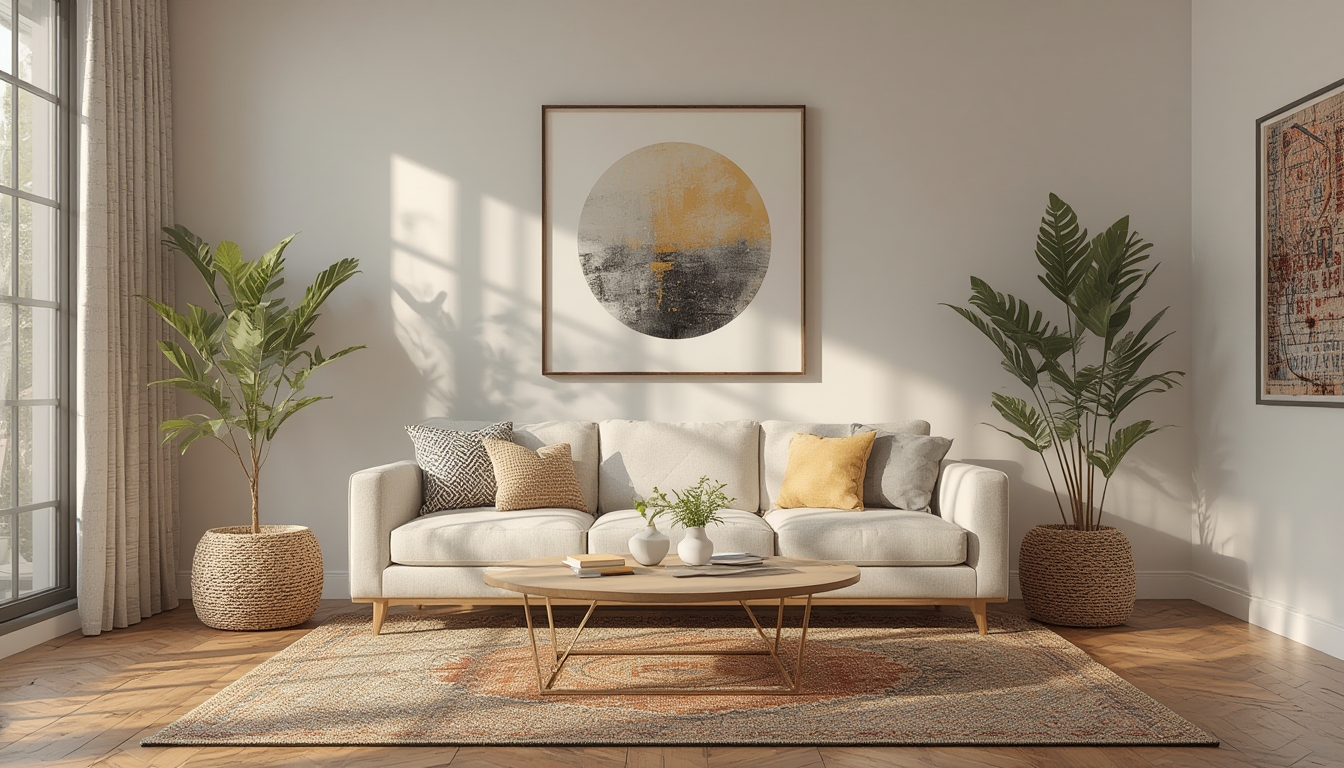
When we talk about the intersection of interior design and mental health, the term “decor psychology” emerges as a powerful framework for creating spaces that nurture well‑being. Recent research from the Journal of Environmental Psychology (2022) shows that intentional design choices can reduce stress hormones by up to 15% and improve sleep quality by 20%.…
-
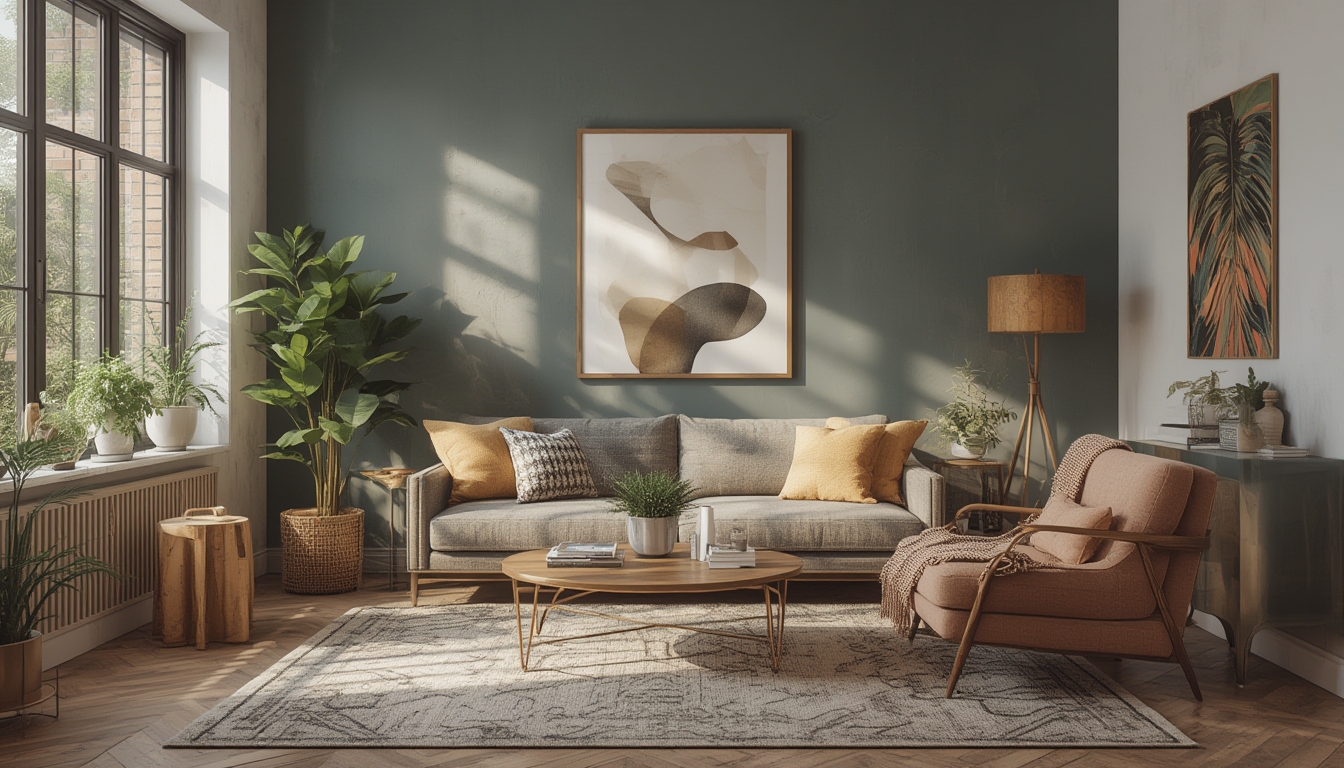
When we step into a room, the colors, textures, and layout silently influence our mood, stress levels, and overall sense of well‑being. Recent research from the University of Michigan shows that people exposed to natural wood tones and soft, muted palettes report a 23 % reduction in cortisol, the stress hormone, compared with stark, high‑contrast environments.…
-
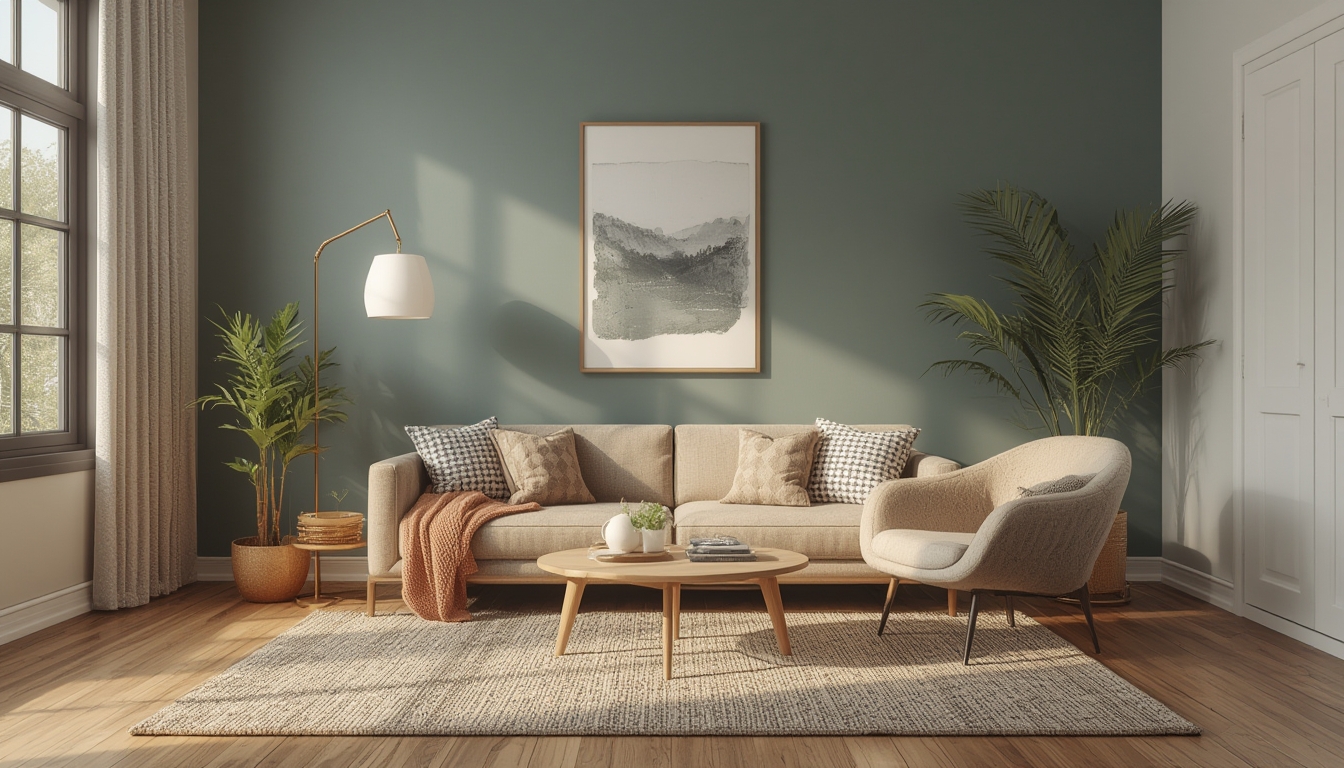
When we think about decorating our homes, we often focus on aesthetics—color palettes, furniture styles, and decorative accents. However, the psychology behind décor plays a crucial role in our mental and physical well‑being. By understanding how colors, textures, lighting, and layout affect mood and health, you can intentionally design spaces that nurture calm, boost productivity,…