
Why a China Cabinet Is a Must‑Have Piece for Dishware Display
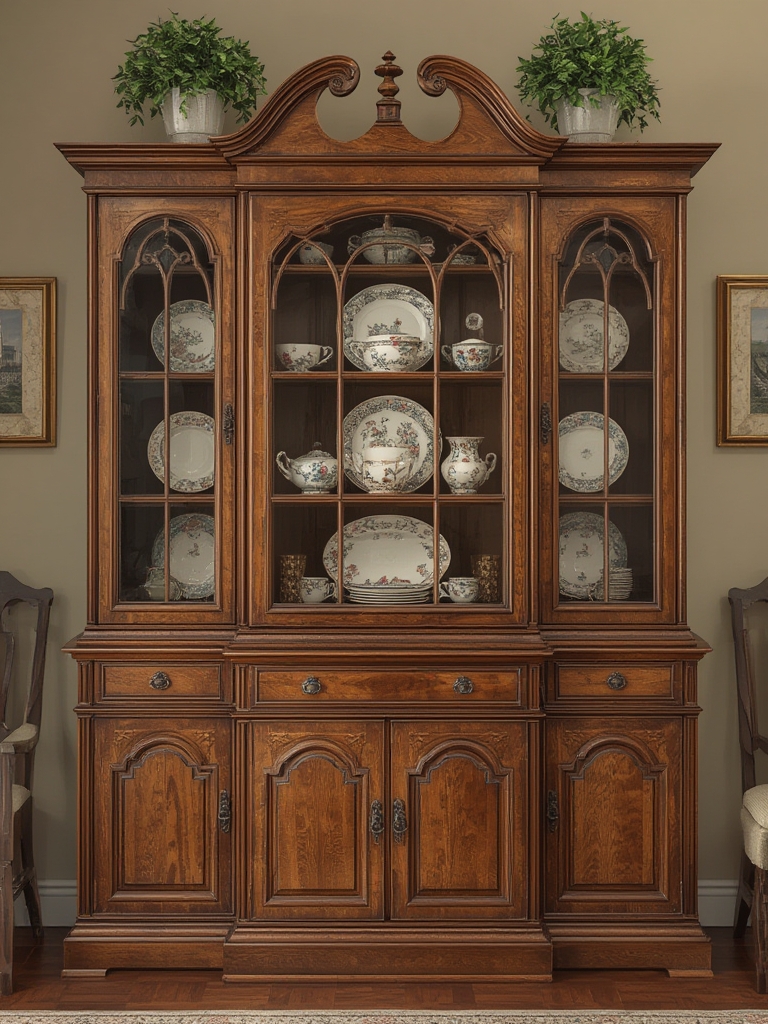
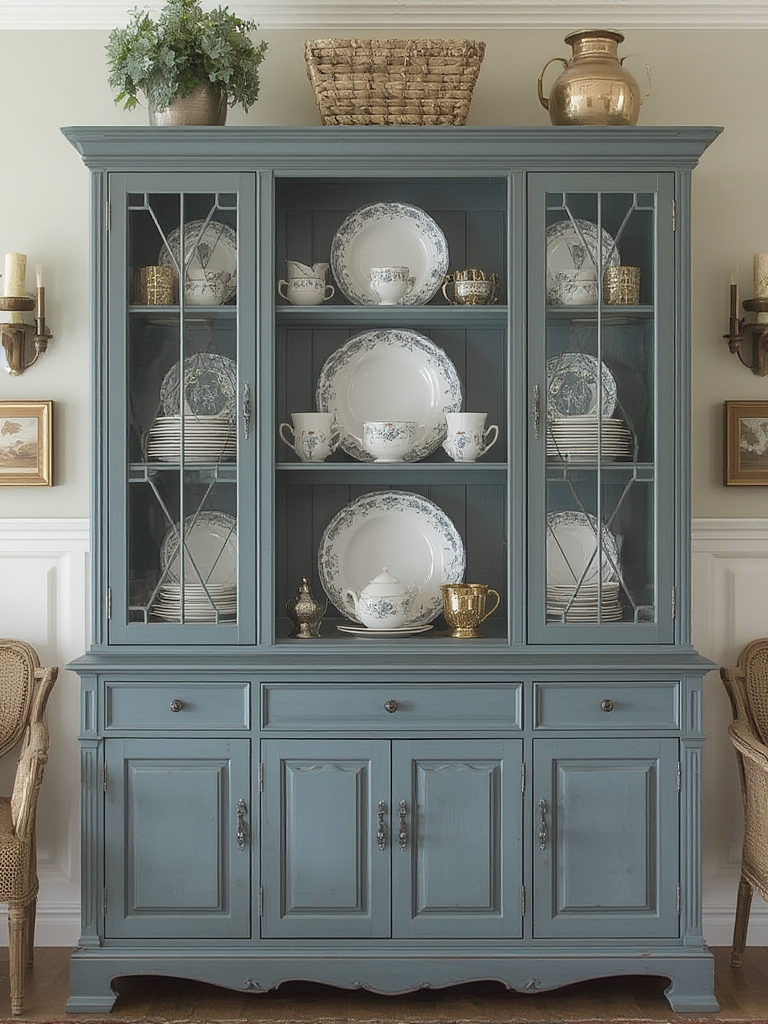
When it comes to showcasing fine china, heirloom glassware, or decorative collectibles, a China cabinet offers the perfect blend of elegance and protection. Unlike open shelves, a glass‑front cabinet shields your pieces from dust, sunlight, and accidental bumps while still allowing them to be admired. This dual function makes it a staple in both traditional and modern interiors, boosting visual appeal and adding resale value to your home.
Choosing the Perfect China Cabinet for Your Space
1. Assess Your Room’s Layout
- Measure the floor space: Leave at least 3‑4 inches of clearance on each side for easy opening of doors and drawers.
- Check ceiling height: Most cabinets range from 5‑7 feet tall; ensure there’s enough vertical clearance for the top panel.
- Consider traffic flow: Position the cabinet where it can be viewed without obstructing pathways.
2. Match the Style to Your Décor
- Traditional: Raised panel doors, ornate molding, and dark wood finishes.
- Mid‑century modern: Clean lines, tapered legs, and walnut or teak veneers.
- Contemporary: Frameless glass doors, high‑gloss lacquer, or metal accents.
3. Prioritize Functional Features
- Adjustable shelving: Allows you to accommodate varying heights of plates, bowls, and vases.
- Locking mechanisms: Useful for valuable or fragile items.
- LED lighting: Highlights your display while using low‑heat bulbs that won’t damage delicate pieces.
Optimizing Dishware Arrangement for Maximum Impact
Step‑by‑Step Display Guide
- Start with a clean canvas: Dust the interior and glass panels with a microfiber cloth and a gentle, non‑abrasive cleaner.
- Group by theme: Arrange items in sets (e.g., formal dinnerware, casual serveware, decorative plates) to create visual cohesion.
- Use the “bottom‑up” rule: Place larger, heavier items on the bottom shelf for stability, then work upward with lighter pieces.
- Leave breathing space: Give each item at least ½‑inch of clearance to prevent a cluttered look and to allow light to pass through.
- Highlight focal pieces: Position standout items (hand‑painted plates, heirloom tea sets) at eye level, directly behind the glass.
- Incorporate vertical interest: Use tall candlesticks or decorative columns to draw the eye upward.
Practical Tips for a Polished Presentation
- Rotate displays seasonally: Swap in spring‑time floral patterns or holiday-themed pieces to keep the cabinet fresh.
- Use non‑slip shelf liners: Prevent delicate china from sliding when the cabinet is opened.
- Keep lighting consistent: Warm LED bulbs (2700‑3000K) enhance porcelain’s natural sheen without creating harsh glare.
Integrating Greenery: Caring for Plants Inside Your China Cabinet
Adding a touch of greenery can soften the glass façade and bring a living element to your display. However, plants inside a cabinet need special attention to thrive.
Step‑by‑Step Plant Care Guide
- Select low‑light, low‑humidity tolerant plants: Ideal choices include ZZ plant (Zamioculcas zamiifolia), Snake plant (Sansevieria), and Philodendron varieties.
- Choose appropriate containers: Use shallow, decorative pots with drainage holes; place a saucer to catch excess water and protect cabinet shelves.
- Control watering: Water only when the top 1‑2 inches of soil feel dry. Over‑watering can cause mold on glass and damage dishware.
- Provide adequate light: Position the cabinet near a north‑ or east‑facing window, or install a low‑heat LED grow light on the interior top shelf (use a timer set to 8‑10 hours per day).
- Maintain airflow: Open cabinet doors for 10‑15 minutes daily to allow fresh air circulation and prevent fungal growth.
- Prune regularly: Remove dead leaves and trim overgrowth to keep the plant compact and avoid shadowing your displayed items.
Quick Actionable Tips
- Humidity check: Place a small hygrometer on the top shelf; aim for 40‑50% relative humidity.
- Dust control: Wipe leaves with a damp cloth weekly to keep them dust‑free and maintain a clean cabinet interior.
- Safety first: Keep any sharp or spiky plants (e.g., cactus) away from delicate china to avoid accidental scratches.
SEO‑Friendly Content Checklist for Your Blog Post
To ensure your article ranks well in search engines, follow this quick SEO audit before publishing:
- Keyword placement: Use primary keyword “China cabinet” in the first 100 words, in at least one H2, and naturally throughout the post.
- LSI keywords: Sprinkle related terms such as “dishware display,” “home décor cabinet,” “glass‑front cabinet,” and “displaying china” to broaden relevance.
- Meta description (155‑160 characters): “Discover how to choose, style, and care for a China cabinet that beautifully showcases dishware while adding a touch of greenery to your home décor.”
- Image alt text: Include descriptive alt tags like “modern glass‑front China cabinet with porcelain plates” and “ZZ plant inside a decorative cabinet.”
- Internal linking: Link to related posts such as “Top 5 Ways to Arrange Dinnerware” or “Best Low‑Light Houseplants for Interior Décor.”
- Readability: Keep sentences under 20 words, use bullet points, and break up text with H2/H3 headings for easy scanning.
Final Thoughts: Making Your China Cabinet a Centerpiece
A well‑chosen and thoughtfully arranged China cabinet does more than store dishes—it becomes a visual focal point that reflects your personal style. By selecting the right cabinet, mastering display techniques, and adding low‑maintenance plants, you create a dynamic, ever‑changing showcase that invites compliments and preserves cherished heirlooms for generations.