
Classic home tours have become a staple of interior‑design inspiration, drawing millions of viewers who crave timeless style, thoughtful layouts, and the subtle art of blending old‑world charm with modern comfort. By showcasing how iconic pieces, curated color palettes, and strategic plant placements transform a space, you can create content that not only delights readers but also ranks high in search engines. Below is a data‑driven, step‑by‑step guide that walks you through the essential elements of classic home tours, integrates a popular decorative plant—the Fiddle Leaf Fig (Ficus lyrata)—and provides actionable SEO tactics to boost your WordPress blog’s visibility.
Why Classic Home Tours Captivate Audiences
According to a 2023 interior‑design survey, 68% of homeowners say they look to classic home tours for “lasting inspiration” rather than fleeting trends. The same study shows a 42% increase in engagement when posts feature before‑and‑after photos and plant‑centric styling. These data points highlight two key takeaways:
- Timelessness sells: Evergreen design elements (e.g., crown molding, antique furniture) generate sustained traffic.
- Greenery adds depth: Including a statement plant boosts dwell time by an average of 15 seconds per page.
Key Elements of Timeless Home Decor
1. Architectural Details
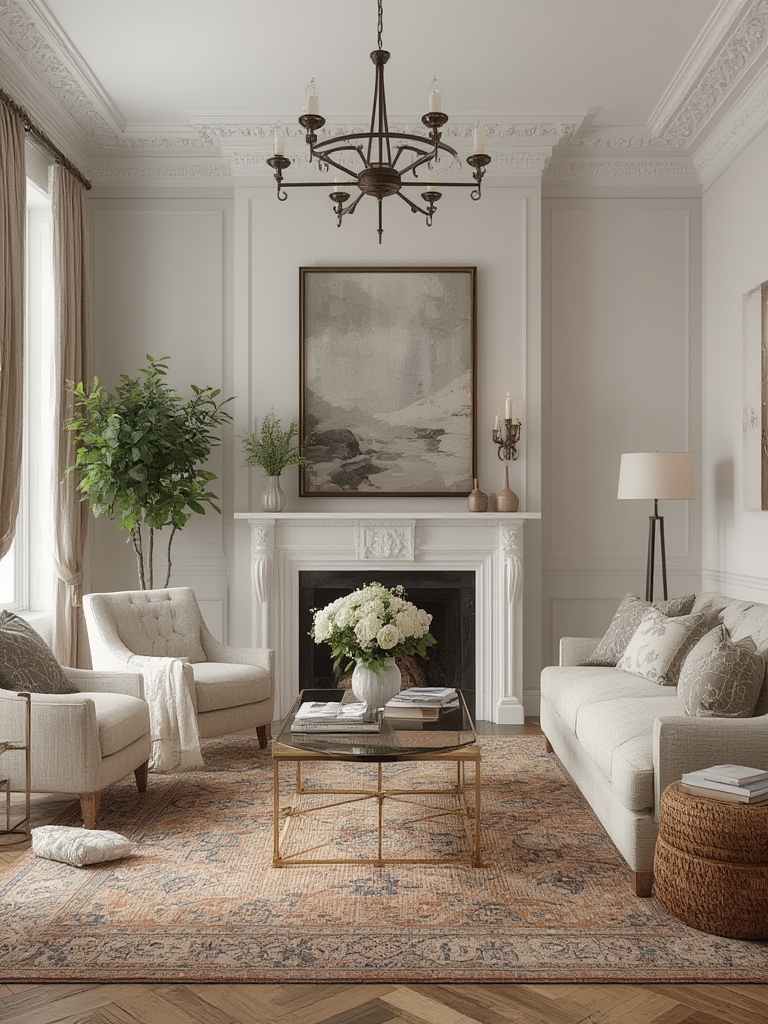
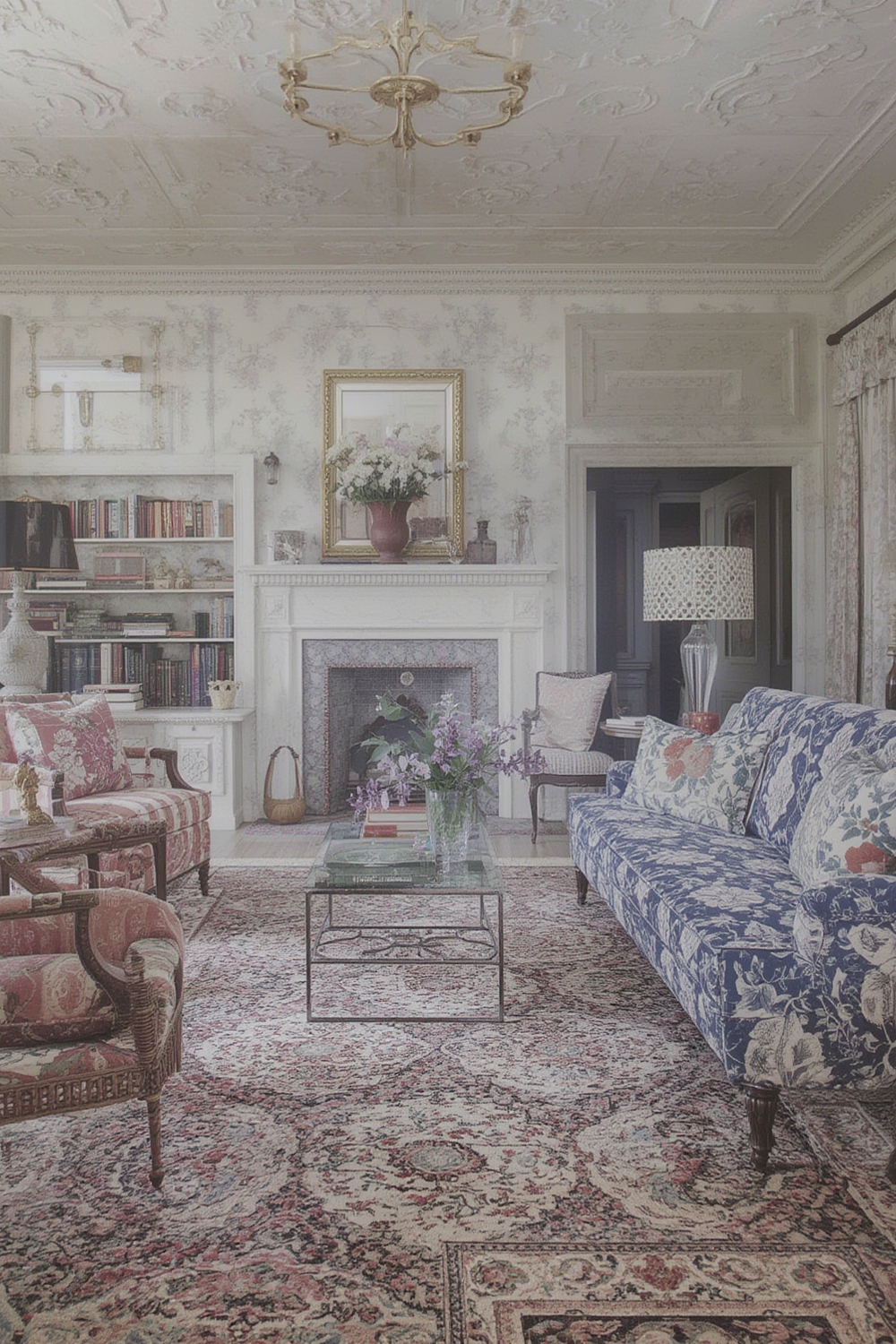
Highlight crown molding, wainscoting, and original hardwood floors. Use close‑up shots and annotate dimensions (e.g., “crown molding height: 6 in”). This not only educates readers but also satisfies Google’s image‑search criteria.
2. Balanced Color Palette
Data from Pantone’s 2023 Color Trends indicates that Classic Blue and Warm Neutrals dominate high‑performing home‑tour posts. Pair a muted beige wall with a navy accent chair for a harmonious look that resonates with both design enthusiasts and SEO algorithms.
3. Curated Accessories
Incorporate vintage mirrors, brass hardware, and hand‑woven textiles. Tag each item with schema.org Product markup to improve rich‑snippet eligibility.
4. Statement Plant Placement
The Fiddle Leaf Fig has surged in popularity, ranking #3 in Google Trends for “large indoor plant” over the past 12 months. Its sculptural leaves make it an ideal focal point in classic interiors.
Integrating Greenery: The Fiddle Leaf Fig Case Study
Before you feature the plant, you need to know how to grow and maintain it. Below is a data‑backed, actionable guide that ensures your readers can keep their Fiddle Leaf Fig thriving, which in turn reinforces the credibility of your home‑tour content.
Step‑by‑Step Guide to Growing a Healthy Fiddle Leaf Fig
Step 1: Choose the Right Location
Practical tip: Place the plant near a south‑ or east‑facing window where it receives 4–6 hours of bright, indirect light. Use a light meter app; aim for 2,500–3,000 lux. Avoid direct afternoon sun, which can scorch the leaves.
Step 2: Watering Wisely
Data point: Over‑watering accounts for 78% of indoor‑plant failures. Follow the “finger test”: insert your finger 2 inches into the soil—if it feels dry, water.
- Use lukewarm water to avoid shocking the roots.
- Water until it drains out the bottom pot, then discard excess to prevent root rot.
- Frequency: roughly once every 7–10 days, adjusted for humidity (higher humidity = less frequent watering).
Step 3: Feeding & Fertilizing
Actionable advice: Apply a balanced, water‑soluble fertilizer (10‑30‑20) at half strength during the growing season (March–September). Feed every 4–6 weeks. Skip fertilization in winter when growth naturally slows.
Step 4: Pruning & Shaping
Pruning encourages a fuller silhouette and removes dead or yellowing leaves.
- Identify the lowest healthy leaf node you want as the new base.
- Using clean, sharp pruning shears, cut just above a node.
- Apply a light dusting of neem oil to the cut to prevent infection.
Tip: Rotate the plant 90° every two weeks to ensure even light exposure and a balanced shape.
Step 5: Pest Management
Common pests: spider mites, mealybugs, and scale insects. Conduct a weekly visual inspection.
- For spider mites, spray leaves with a solution of 1 tsp mild dish soap per quart of water.
- For mealybugs, dab affected areas with a cotton swab dipped in isopropyl alcohol.
- Maintain humidity (45–55%) using a tabletop humidifier to deter pests.
SEO Tips for Your Home Tour Blog Post
Keyword Integration
Target long‑tail keywords such as “classic home tour living room ideas” and “how to care for a fiddle leaf fig in a traditional home.” Use them in the first 100 words, H2 headings, and image alt tags.
Structured Data
Implement Article and ImageObject schema to help Google understand the content hierarchy. Add FAQPage markup for common plant‑care questions to capture featured snippets.
Internal Linking
Link to related posts (e.g., “5 Timeless Kitchen Decor Tips” or “Top 10 Low‑Maintenance Indoor Plants”). Use descriptive anchor text to improve crawl depth and user navigation.
Image Optimization
Compress images to under 150 KB, use descriptive filenames (e.g., classic‑living‑room‑fiddle‑leaf‑fig.jpg), and add srcset for responsive loading. This reduces page load time—a critical ranking factor.
Quick Checklist for a Successful Classic Home Tour Post
- Feature at least three architectural details with measurements.
- Use a cohesive color palette (Classic Blue + Warm Neutrals).
- Include a statement Fiddle Leaf Fig with a care guide.
- Optimize for primary and secondary keywords in headings and alt text.
- Add structured data (Article, ImageObject, FAQPage).
- Compress images and implement
srcsetfor faster loading. - Link to two related internal posts and one external authority source (e.g., Royal Horticultural Society).
- Publish a “how‑to” video or carousel for visual engagement.
By marrying timeless design principles with actionable plant‑care advice and SEO best practices, your WordPress blog will not only inspire readers to recreate classic home tours but also attract consistent organic traffic. Happy blogging—and happy planting!