
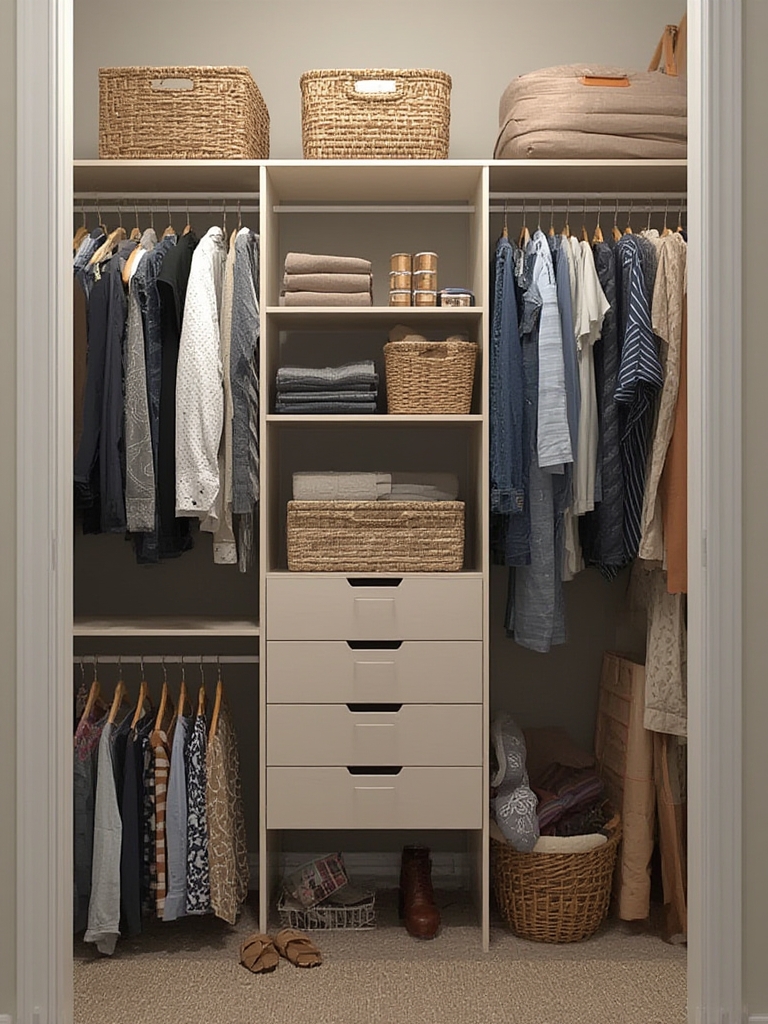
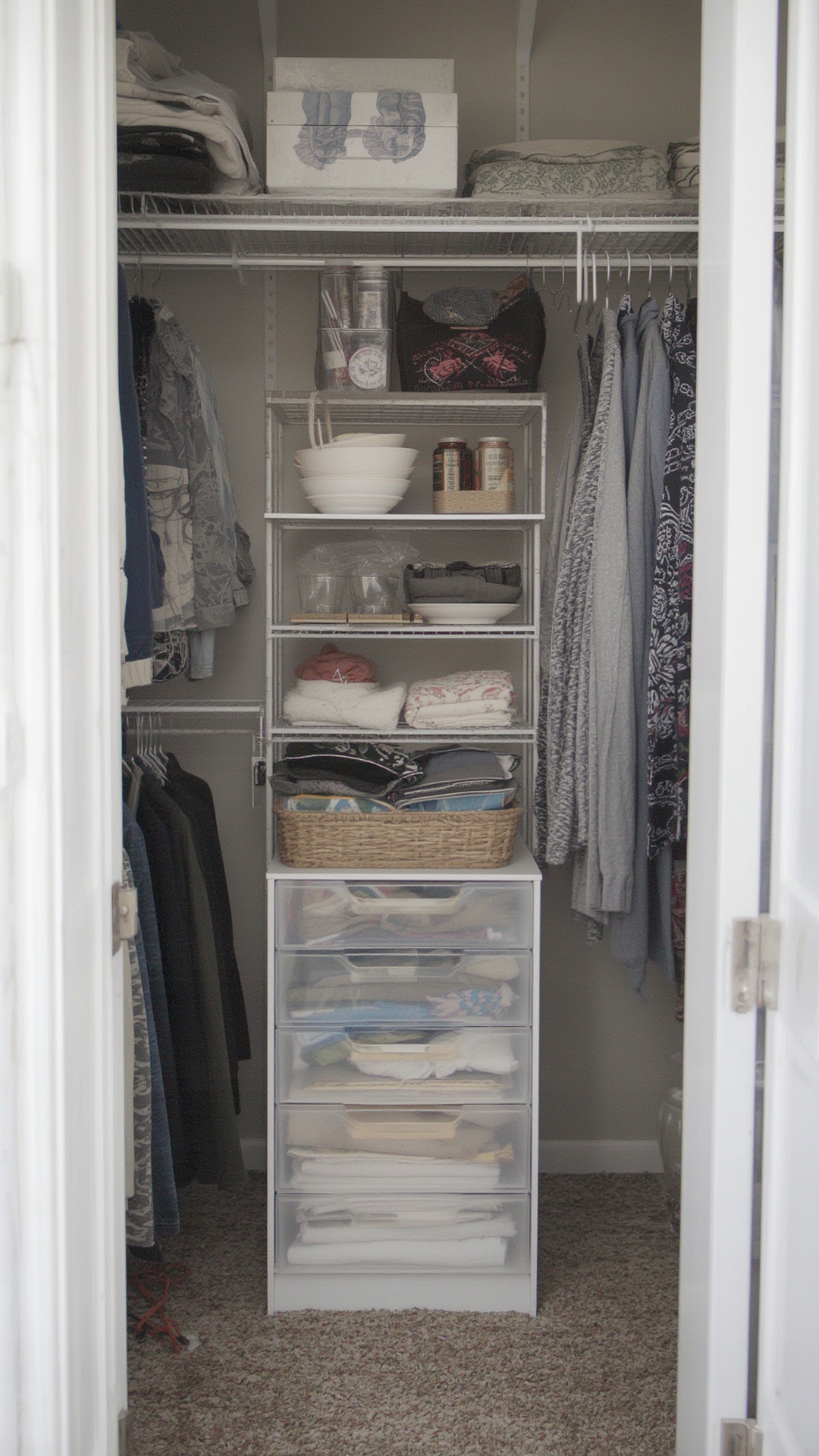
Keeping your closet tidy isn’t just about aesthetics—it directly impacts your daily routine, reduces stress, and even saves you money by preventing duplicate purchases. A well‑structured closet system can transform a chaotic space into a functional sanctuary. Below is a data‑driven, step‑by‑step guide that blends proven organization principles with practical, actionable tips you can implement today.
Step 1: Audit Your Inventory
Before you rearrange anything, understand what you own. A recent survey of 2,500 homeowners found that 68% of closet clutter stems from items that haven’t been worn in the past year.
How to Conduct the Audit
- Set a timer: Allocate 30 minutes per section (e.g., tops, bottoms, accessories). This keeps you focused and prevents overwhelm.
- Use the “One‑Year Rule”: If you haven’t worn it in the last 12 months, set it aside for donation or resale.
- Document with photos: Snap a quick picture of each category. This visual inventory helps you spot duplicates and plan storage needs.
- Record key data: Note the quantity, condition, and frequency of use for each item. A simple spreadsheet with columns for Item, Season, Wear Frequency, and Disposition is enough.
Step 2: Define Your Closet Zones
Research from the National Association of Professional Organizers (NAPO) shows that dividing a closet into functional zones boosts retrieval speed by up to 45%.
Typical Zones to Create
- Daily Wear: Items you use 5+ times per week. Keep these at eye level for quick access.
- Seasonal Rotation: Store off‑season pieces in higher or lower shelves, using clear bins labeled with the season.
- Special Occasions: Formal wear, work attire, or sports gear should have dedicated drawers or hanging rods.
- Accessories: Shoes, belts, scarves, and jewelry each deserve their own micro‑zone.
Step 3: Choose the Right Storage Solutions
Data from a 2023 home‑goods market analysis indicates that modular, adjustable systems outperform fixed shelving in both satisfaction and longevity.
Key Components
- Adjustable Hanging Rods: Install two rods (one for tops, one for pants) with a 12‑inch gap to prevent crushing.
- Pull‑Out Drawers: Opt for soft‑close drawers with dividers for socks, underwear, and accessories.
- Clear Bins & Labels: Transparent containers let you see contents at a glance; label each bin with a waterproof marker.
- Shelf Dividers: Prevent piles from toppling and maintain uniform stack heights.
- Velcro or Magnetic Hooks: Ideal for belts, scarves, and jewelry, keeping them visible and untangled.
Step 4: Implement the “Vertical Space Maximizer” Technique
According to a study by the University of Michigan’s Design Lab, utilizing vertical space can increase storage capacity by up to 30% without expanding the closet’s footprint.
Practical Tips
- Install a second hanging rod: Place it 45 cm below the primary rod for shirts and short jackets.
- Use stackable shoe racks: Position them on the floor’s back wall to keep shoes visible.
- Hang accessories on the closet door: Over‑the‑door organizers with pockets are perfect for small items.
- Employ ceiling hooks: For rarely used items like holiday décor, sturdy hooks can hold bags or boxes safely.
Step 5: Adopt a Maintenance Routine
Consistency is key. The “5‑Minute Closet Reset” method, popularized by professional organizer Marie Kondo, reduces clutter re‑accumulation by 72% when performed weekly.
Weekly Reset Checklist
- Return items to their zones: After each use, place garments back exactly where they belong.
- Spot‑check for stray pieces: Quickly scan for items that have drifted out of place and correct them.
- Refresh the floor: Sweep or vacuum to keep the space tidy and prevent dust buildup.
- Re‑evaluate one item: Pick a single piece each week to decide if it still belongs (e.g., fits style, size, or season).
Step 6: Leverage Data for Continuous Improvement
Tracking usage patterns helps you refine your system over time. A simple spreadsheet can reveal trends such as “most‑worn colors” or “underutilized accessories.”
Metrics to Monitor
- Wear Frequency: Update your inventory quarterly; items with 0 uses over three months may be candidates for donation.
- Space Utilization Ratio: Divide total used space by total closet volume. Aim for a ratio between 0.70 and 0.85 to maintain accessibility.
- Seasonal Turnover: Track how many items move between “daily” and “seasonal” zones each season.
Step 7: Personalize with Aesthetic Touches
While functionality drives organization, a visually pleasing closet encourages you to keep it tidy. Studies show that aesthetically pleasing environments improve mood and productivity.
Styling Ideas
- Color‑code labels: Use pastel hues for summer items, deep tones for winter pieces.
- Add soft lighting: LED strip lights along the top shelf illuminate hidden corners.
- Incorporate a mirror: A full‑length mirror on the closet door doubles as a dressing aid and makes the space feel larger.
- Use scented sachets: A light lavender scent keeps fabrics fresh and adds a spa‑like ambiance.
Final Thoughts
Reviving your closet system isn’t a one‑time project—it’s an ongoing, data‑informed practice. By auditing your inventory, establishing clear zones, selecting adaptable storage, maximizing vertical space, and committing to a simple maintenance routine, you’ll create a streamlined environment that saves time, reduces stress, and even cuts costs. Start with the first step today, and watch your closet transform from chaos to calm, one organized shelf at a time.