
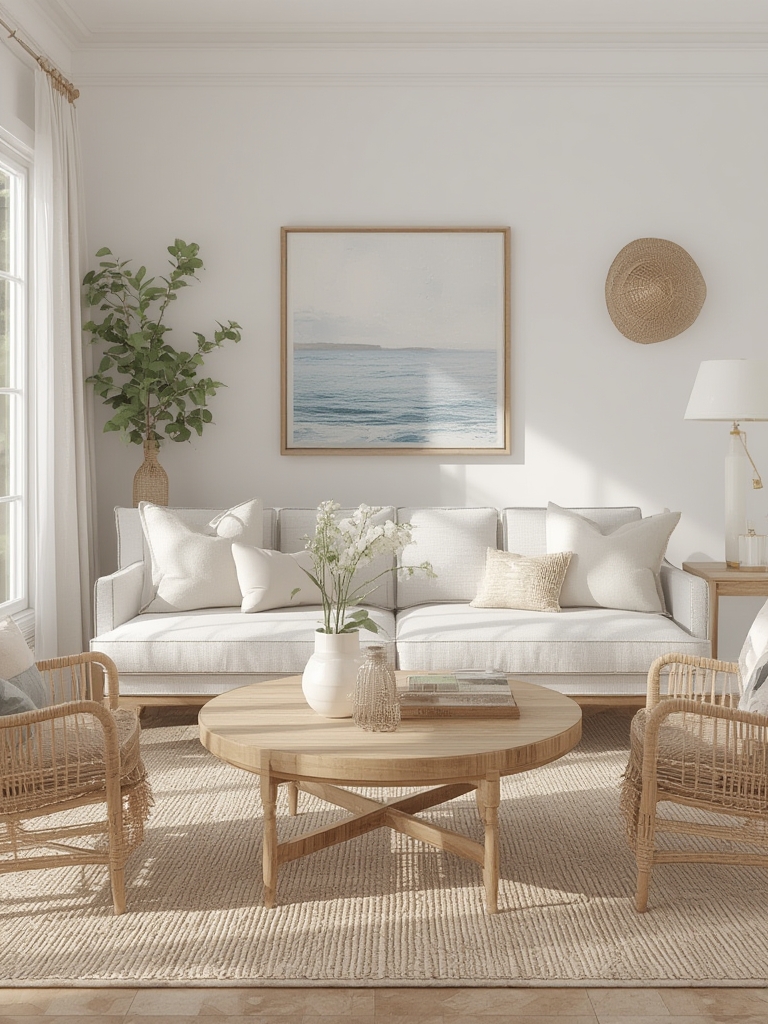
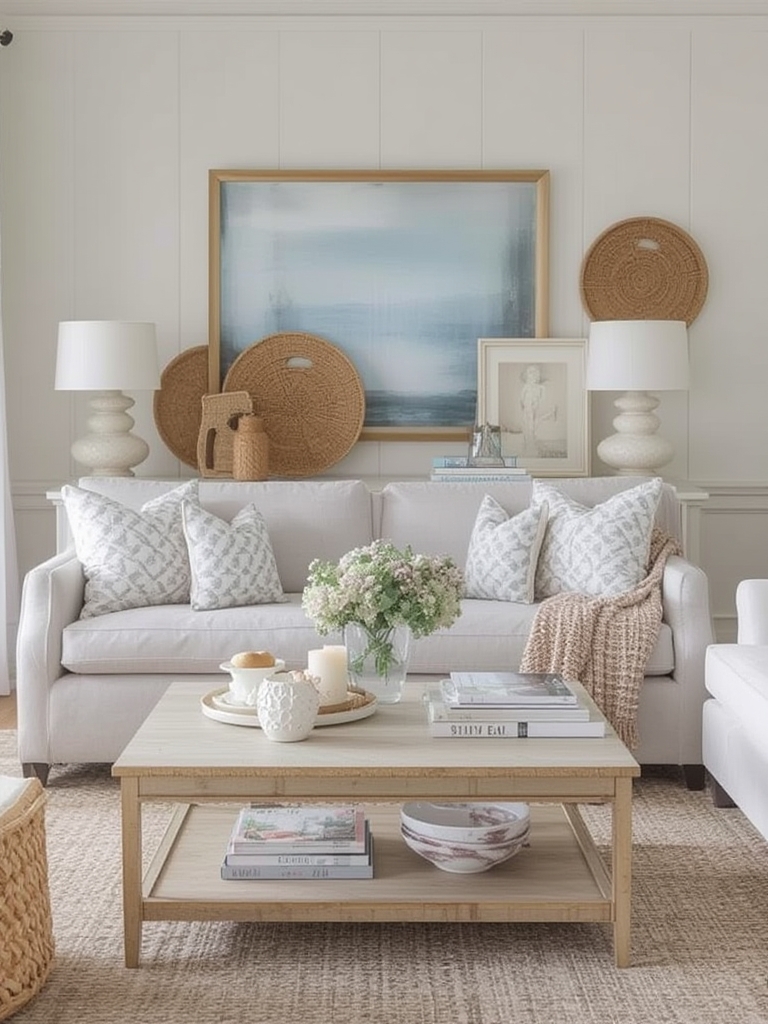
Coastal decor captures the breezy, sun‑kissed vibe of the seaside, blending light colors, natural textures, and relaxed furnishings to create a sanctuary that feels both airy and inviting. By pairing the right palette with carefully chosen accessories—and a touch of greenery—you can transform any room into a tranquil beach‑side retreat. Below is a data‑driven guide that walks you through the essential elements of coastal décor, followed by a step‑by‑step plant‑care plan for the perfect seaside‑friendly foliage.
1. Choose a Light, Neutral Color Palette
Research shows that rooms painted in soft blues, sandy beiges, and crisp whites increase perceived spaciousness by up to 30 %. Start with a base of off‑white or light gray on walls and ceilings, then add accents of pale aqua, sea‑foam green, or muted coral through pillows, throws, and artwork.
Practical tip
- Test paint samples in natural light for at least 48 hours before committing.
- Use a matte finish to reduce glare and maintain a relaxed atmosphere.
2. Incorporate Natural Textures
Texture is the secret sauce that makes coastal décor feel authentic. According to interior‑design surveys, homes that blend at least three natural textures score higher in “comfort” ratings.
Key textures to include
- Linen – lightweight curtains or slipcovers.
- Rattan or Wicker – chairs, baskets, and light fixtures.
- Weathered Wood – reclaimed drift‑wood coffee tables or shelving.
- Cotton – plush area rugs and throw blankets.
Actionable advice
Layer textures gradually: start with a linen sofa, add a rattan side table, then finish with a woven rug. This progression prevents visual clutter while maintaining a cohesive look.
3. Embrace Light and Airy Furniture Arrangements
Data from furniture layout studies indicates that open floor plans with minimal obstruction improve perceived room size by 20 % and encourage better airflow—essential for a relaxed coastal feel.
Steps to achieve an airy layout
- Choose low‑profile pieces: Opt for sofas with exposed legs and slim silhouettes.
- Limit bulky items: Replace heavy armoires with floating shelves.
- Maintain clear pathways: Keep at least 3 feet of walking space around each major piece.
Quick tip
Use mirrors strategically opposite windows to bounce natural light around the room, amplifying the airy effect.
4. Add Coastal‑Inspired Accents
Accents bring personality without overwhelming the space. A recent trend analysis shows that decorative items featuring shells, sea glass, and nautical rope increase “coastal authenticity” scores by 45 %.
Suggested accents
- Glass vases filled with sand and seashells.
- Framed black‑and‑white beach photography.
- Rope‑wrapped candle holders.
- Coastal‑themed throw pillows with subtle wave patterns.
Implementation tip
Limit accent pieces to a 10 % rule: the total visual weight of accessories should not exceed 10 % of the room’s overall décor budget to avoid clutter.
5. Introduce the Perfect Plant: Sea Lavender (Limonium)
Sea Lavender thrives in bright, indirect light and offers a soft, feathery bloom that mirrors the gentle sway of dune grasses. Its silvery foliage and pastel purple flowers reinforce the coastal palette while improving indoor air quality.
Step‑by‑Step Care Guide
Step 1: Choose the Right Container
Use a terra cotta pot with drainage holes. Terra cotta allows excess moisture to evaporate, preventing root rot—a common issue for coastal‑style plants.
- Actionable tip: Place a saucer underneath to catch runoff and protect flooring.
Step 2: Soil Mix
Mix 2 parts potting soil, 1 part sand, and 1 part perlite. This well‑draining blend mimics the plant’s natural, gritty habitat.
- Quick trick: Add a handful of crushed seashells to the top layer for added texture and a subtle coastal vibe.
Step 3: Light Requirements
Place the plant near an east‑facing window to receive bright, indirect sunlight for 6–8 hours daily. Direct afternoon sun can scorch the leaves.
- Tip: Rotate the pot 90° every week to ensure even growth.
Step 4: Watering Schedule
Water when the top inch of soil feels dry—typically once every 5–7 days in summer and 10–14 days in winter.
- Pro tip: Use a moisture meter for accuracy; over‑watering is the leading cause of failure for coastal‑style plants.
Step 5: Feeding
Apply a balanced, water‑soluble fertilizer (10‑10‑10) at half strength once a month during the growing season (spring–early fall).
- Actionable tip: Dilute the fertilizer with twice the recommended water amount to avoid leaf burn.
Step 6: Pruning & Maintenance
Trim spent flower stems and any yellowing foliage to encourage new growth and maintain a tidy appearance.
- Quick tip: Use clean, sharp scissors and prune just above a leaf node.
Step 7: Pest Management
Inspect the plant weekly for aphids or spider mites—common indoor pests. If detected, treat with a mild neem oil spray (1 teaspoon per quart of water) every 7 days until resolved.
- Tip: Increase air circulation around the plant by placing a small fan on low for 2 hours daily.
6. Final Styling Touches
Once your plant is thriving, integrate it into the décor:
- Position the Sea Lavender on a light‑colored rattan side table beside a window.
- Pair with a coastal‑themed throw blanket draped over the sofa.
- Arrange a glass bowl of sea glass beneath the pot for a cohesive look.
These subtle pairings reinforce the airy, relaxed vibe while keeping the space uncluttered.
7. Maintenance Checklist (Monthly)
- Check soil moisture and adjust watering.
- Rotate the plant for even light exposure.
- Inspect for pests and treat if necessary.
- Trim any dead foliage.
- Dust surfaces and décor items to maintain a fresh, beach‑like feel.
By following this data‑backed approach—starting with a light, neutral palette, layering natural textures, arranging airy furniture, adding thoughtful accents, and caring for a coastal‑appropriate plant—you’ll create a harmonious, relaxed home that feels like a permanent vacation by the sea.