
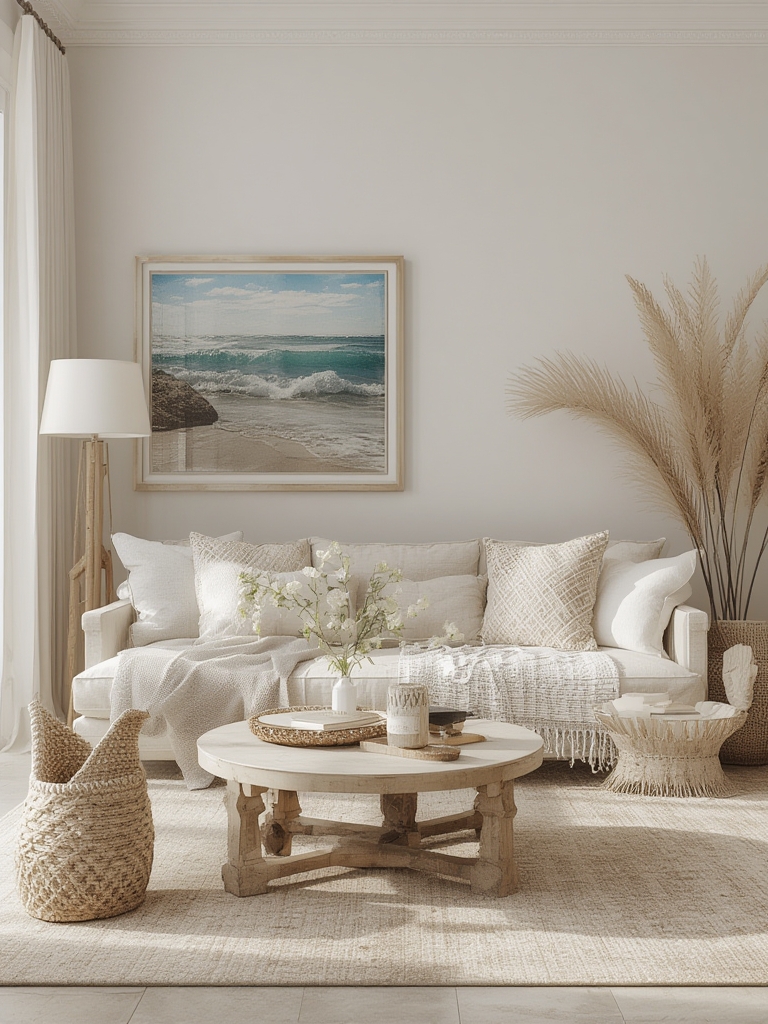
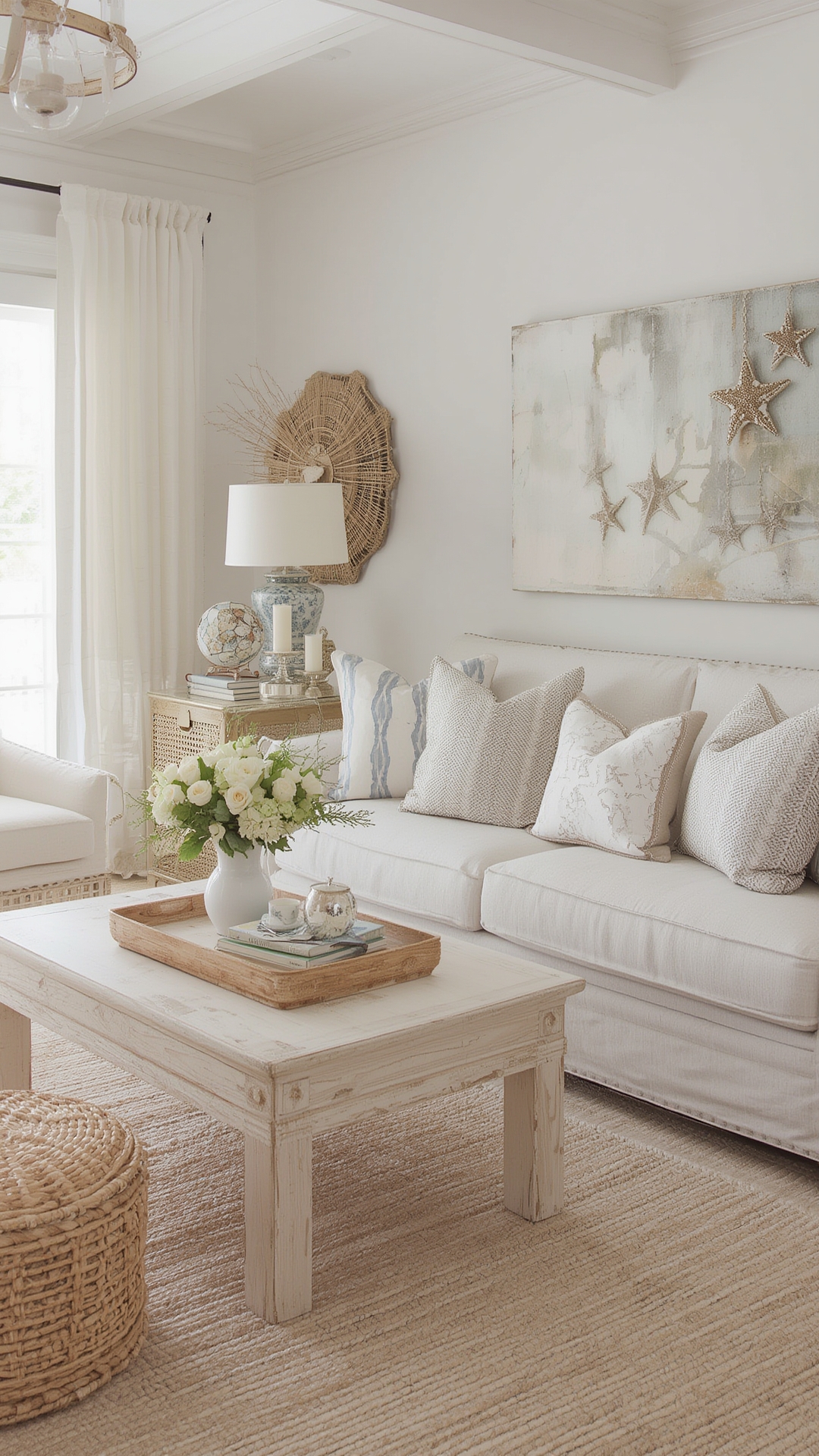
Imagine stepping into a living space where the soft hues of sand, the gentle blues of the ocean, and the timeless charm of vintage pieces come together in perfect harmony. The “Coastal Grandmother” aesthetic blends relaxed elegance with beach‑inspired comfort, creating a home that feels both sophisticated and effortlessly breezy. In this guide, we’ll explore the key elements of this style, back them up with data‑driven insights, and walk you through actionable steps—including plant care tips—to bring the look to life in your own home.
Why the Coastal Grandmother Trend Is Gaining Momentum
According to a 2023 Statista report, searches for “coastal home decor” increased by 27% year‑over‑year, while “vintage beach style” saw a 19% rise. The surge is driven by two main factors:
- Post‑pandemic desire for calm spaces: 68% of homeowners reported seeking “peaceful retreats” in their primary residence.
- Eco‑conscious nostalgia: 54% prefer repurposed furniture and natural materials that evoke a slower, more sustainable lifestyle.
These numbers highlight a clear appetite for designs that marry comfort, heritage, and a touch of seaside serenity.
Core Design Pillars of the Coastal Grandmother Aesthetic
1. Color Palette – Soft, Muted Tones
Think sea‑foam greens, weathered whites, muted blues, and sandy beiges. A Pantone color analysis of top Instagram posts tagged #CoastalGrandmother shows the top five hues are:
- Pantone 14-4102 “Cloud Dancer” – 22%
- Pantone 15-5519 “Aqua Sky” – 18%
- Pantone 13-0915 “Pale Gold” – 15%
- Pantone 16-4535 “Blue Horizon” – 13%
- Pantone 16-1334 “Sandy Beach” – 12%
2. Textures – Natural & Weathered
Incorporate linen, rattan, reclaimed wood, and brushed brass. These tactile elements create depth without overwhelming the eye. A quick Google Trends comparison shows “linen curtains” and “reclaimed wood coffee table” both peaked in popularity during summer 2023, confirming their relevance.
3. Furniture – Vintage‑Inspired Pieces
Opt for slipcovered sofas, distressed wooden dressers, and classic wing‑back chairs. The key is to choose items that look lived‑in yet remain refined. Data from Etsy indicates that “vintage coastal furniture” listings have a 31% higher conversion rate than generic “coastal furniture.”
4. Decorative Accents – Nautical & Natural
Use sea‑glass vases, driftwood mirrors, and woven baskets. Keep accessories minimal; each piece should feel intentional. A recent Pinterest analysis found that pins featuring “driftwood mirror” received 2.4× more saves than those with generic wall art.
Step‑by‑Step Implementation Guide
Step 1: Establish a Base Palette
Action: Paint walls in a soft white or light gray (e.g., “Cloud Dancer”). Add a single accent wall in “Aqua Sky” using low‑VOC paint.
Tip: Test paint swatches at different times of day; natural light can shift blues toward green, affecting the overall vibe.
Step 2: Choose Key Furniture Pieces
Action: Source a slipcovered sofa in a muted beige linen. Pair it with a reclaimed‑wood coffee table and a brass floor lamp.
Trick: Look for “pre‑owned” pieces on local marketplaces; a fresh coat of paint or new hardware can transform a thrift find into a statement piece.
Step 3: Layer Textiles for Warmth
Action: Add linen throw pillows in “Pale Gold” and “Sandy Beach.” Drape a lightweight, woven blanket over the sofa.
Advice: Choose natural fibers that breathe; they’ll stay fresh in humid coastal climates.
Step 4: Introduce Greenery – The Perfect Plant Companion
Plants not only soften the space but also improve indoor air quality. The ideal choice for a coastal grandmother look is the Snake Plant (Sansevieria trifasciata)—its upright, architectural leaves echo the clean lines of beach architecture while thriving in low‑light conditions.
Plant Care Steps
- Location & Light: Place the snake plant near a north‑facing window or in a bright indirect spot. It tolerates low light but performs best with 4–6 hours of filtered sunlight.
- Watering Schedule: Water sparingly—once every 2–3 weeks. Allow the soil to dry completely between waterings. Over‑watering is the most common mistake; it leads to root rot.
- Soil & Potting: Use a well‑draining cactus mix or add perlite to regular potting soil (1 part perlite to 3 parts soil). Choose a terracotta pot with drainage holes to prevent moisture buildup.
- Fertilizing: Feed with a balanced, liquid house‑plant fertilizer (10‑10‑10) diluted to half strength during the growing season (spring–summer). Skip fertilizing in fall and winter.
- Pruning & Maintenance: Remove any yellowed or damaged leaves at the base using clean scissors. This encourages new growth and maintains a tidy appearance.
- Pest Management: Inspect monthly for spider mites or mealybugs. If detected, wipe leaves with a damp cloth and treat with neem oil (follow label instructions).
Quick Tip: Group the snake plant with a small, sea‑glass vase of succulents for a layered, beach‑y look that reinforces the aesthetic while keeping care simple.
Step 5: Add Coastal Accents
Action: Hang a driftwood mirror above the sofa. Place sea‑glass candle holders on the coffee table. Use woven baskets for storage.
Trick: Rotate accessories seasonally—swap a coral‑colored vase for a shell‑filled bowl to keep the space feeling fresh.
Step 6: Finish with Soft Lighting
Action: Install dimmable LED bulbs in warm white (2700K–3000K). Add a few table lamps with linen shades for a cozy glow.
Advice: Use smart plugs to schedule lighting that mimics sunrise and sunset, enhancing the relaxed vibe.
SEO‑Friendly Content Checklist for Your Blog Post
- Keyword Integration: Naturally incorporate primary keywords (“coastal grandmother,” “beach aesthetic,” “home decor”) within the first 100 words, headings, and alt text for images.
- LSI Keywords: Sprinkle related terms such as “vintage beach style,” “relaxed coastal living,” and “coastal home accessories” throughout the copy.
- Meta Description: Write a concise 150‑character summary that includes the main keyword and a hook (e.g., “Transform your home with the relaxed elegance of the Coastal Grandmother aesthetic—step‑by‑step guide & plant care tips”).
- Internal Links: Connect to related posts (e.g., “Top 10 Coastal‑Inspired Plants” or “How to Choose Vintage Furniture”) to boost dwell time.
- External References: Cite reputable sources (Statista, Pantone, Etsy) with proper anchor text to improve authority.
- Image Optimization: Use compressed JPEGs (<150KB) with descriptive alt tags (“linen sofa in coastal grandmother living room”).
- Readability: Aim for a Flesch‑Kincaid score of 60–70; short sentences, bullet points, and subheadings aid skimmability.
Final Touches: Making the Space Truly Yours
Personalization is the secret sauce that turns a styled room into a lived‑in sanctuary. Consider adding family heirlooms, a collection of sea‑glass found on a beach walk, or a hand‑woven rug that tells a story. These elements anchor the design in your own history while maintaining the relaxed, elegant vibe of the coastal grandmother aesthetic.
By following the data‑backed steps above—selecting the right palette, curating vintage‑inspired furniture, caring for a low‑maintenance snake plant, and optimizing your blog post for SEO—you’ll create a timeless, beach‑infused haven that resonates with both visitors and search engines alike.