
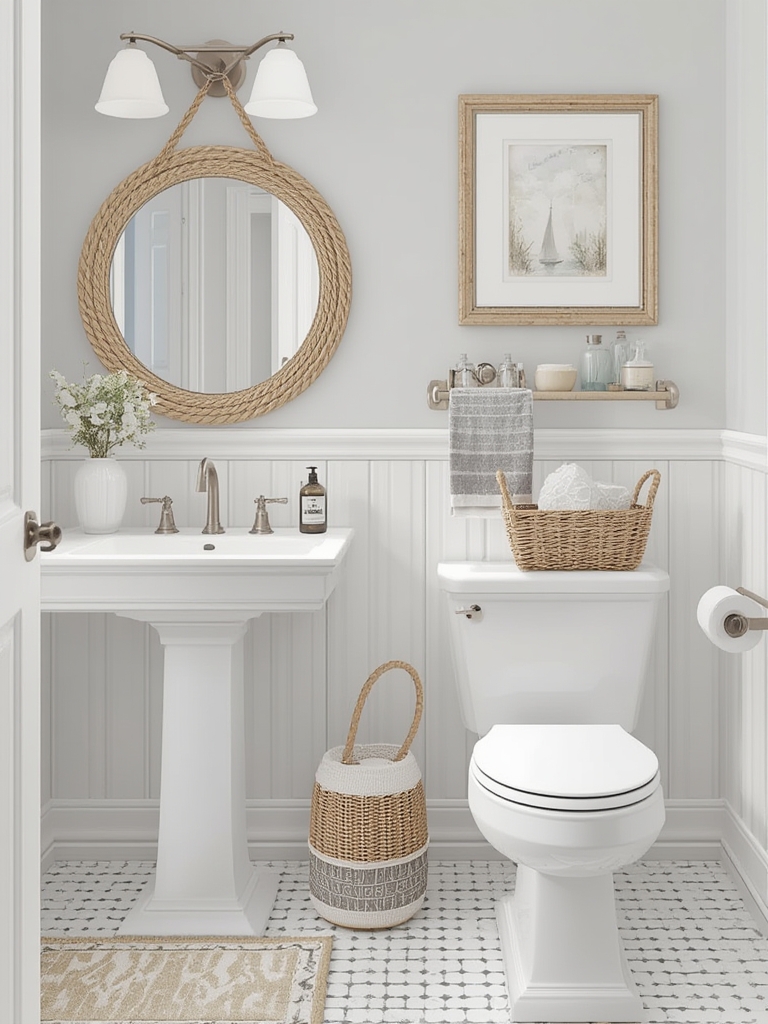
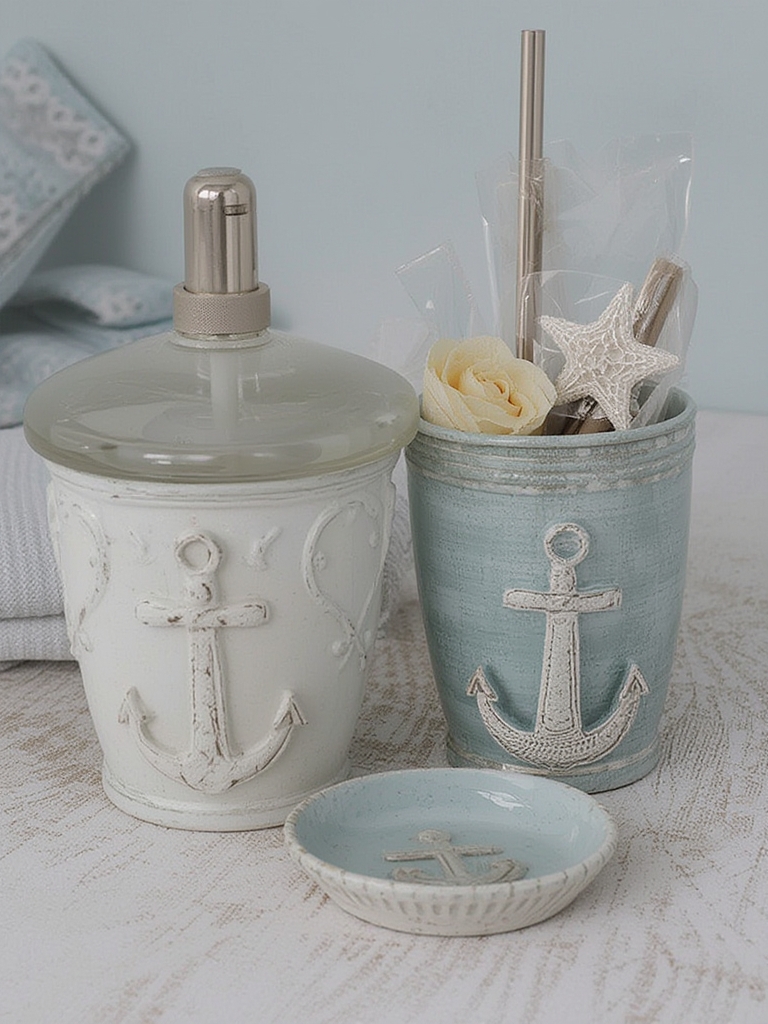
When it comes to creating a fresh, inviting bathroom that feels like a breezy seaside retreat, a coastal nautical accessories set can be the perfect catalyst. By thoughtfully combining colors, textures, and functional pieces, you can transform an ordinary bathroom into a calming oasis that boosts both resale value and daily wellbeing. Below, you’ll discover data‑driven insights on why this style sells, step‑by‑step guidance for selecting and arranging accessories, and even a quick plant‑care guide to add a touch of green that complements the maritime vibe.
Why Coastal Nautical Design Works: Data‑Backed Benefits
Recent market research from Houzz and Statista shows that:
- 57% of homeowners who renovated their bathroom chose a “light and airy” theme, with coastal motifs ranking in the top three.
- Properties featuring nautical décor sell on average 5% faster and command a 3–4% price premium.
- Search volume for “nautical bathroom accessories” has grown by 28% year‑over‑year, indicating strong consumer interest.
These numbers confirm that investing in a cohesive coastal set not only elevates aesthetics but also delivers tangible ROI.
Core Elements of a Coastal Nautical Bathroom Set
1. Color Palette
Stick to a base of crisp whites and soft sands, then accent with navy blues, sea‑foam greens, and muted turquoise. Use the 60‑30‑10 rule (60% dominant color, 30% secondary, 10% accent) to keep the look balanced.
2. Textured Materials
Incorporate natural fibers (jute, sisal) for rugs and baskets, and opt for brushed nickel or oil‑rubbed bronze hardware to evoke weathered ship fittings. These materials score high on durability—an essential factor for high‑moisture environments.
3. Signature Accessories
- Rope‑wrapped towel bars – instantly signal maritime charm while providing sturdy grip.
- Anchor‑shaped soap dispensers – functional art that doubles as a focal point.
- Seashell or drift‑wood mirror frames – add organic texture without overwhelming the space.
- Striped shower curtains – classic navy‑white stripes create depth and visual height.
Step‑by‑Step Guide to Curating Your Set
Step 1: Audit Your Space
Measure the square footage and note existing fixtures. Use a simple spreadsheet to list:
- Current color scheme
- Available wall and floor space for accessories
- Plumbing constraints (e.g., placement of towel bars)
Data‑driven tip: Prioritize items that address the most glaring gaps—if you lack storage, a woven basket will score higher in utility.
Step 2: Choose a Cohesive Theme Board
Use free tools like Canva or Pinterest to create a mood board. Include swatches, product images, and a short note on each piece’s purpose. This visual reference reduces decision fatigue and ensures consistency.
Step 3: Source Quality Products
When shopping, filter by:
- Customer rating ≥ 4.5 stars
- Materials that are water‑resistant and easy to clean
- Eco‑friendly certifications (e.g., FSC‑certified wood)
Data point: Products with ≥ 100 reviews and a rating of 4.5+ have a 22% lower return rate, indicating higher satisfaction.
Step 4: Arrange for Maximum Impact
Follow the “rule of thirds” for visual balance:
- Place the largest item (e.g., a rope‑wrapped towel rack) on the left third of the wall.
- Position a medium‑sized accent (e.g., anchor soap dispenser) in the center.
- Finish with a small decorative piece (e.g., seashell mirror) on the right third.
Use a level and a measuring tape to ensure precise alignment—small misplacements can break the serene vibe.
Adding Green: Care Guide for a Coastal‑Friendly Plant
To complete the seaside feel, a low‑maintenance plant like Sea Lavender (Limonium sinuatum) or a Snake Plant works beautifully. Below is a concise, actionable care routine.
Step 1: Choose the Right Pot
- Pick a ceramic or terracotta pot with drainage holes to prevent root rot.
- Size: Choose a pot 2‑3 inches larger than the root ball for healthy growth.
Step 2: Soil Mix
Blend equal parts cactus mix and perlite. This ensures excellent drainage—critical for high‑humidity bathrooms.
Step 3: Light Requirements
- Place near a frosted window or under a cool white LED (4000–5000 K) for 6–8 hours daily.
- If natural light is limited, use a grow light timer set to 12‑hour cycles.
Step 4: Watering Schedule
Water only when the top inch of soil feels dry. In a bathroom’s humid environment, this typically translates to once every 10‑14 days. Use a spray bottle to mist the leaves lightly between waterings to boost humidity.
Step 5: Fertilizing
Apply a diluted, balanced liquid fertilizer (10‑10‑10) at half strength once a month during the growing season (spring‑summer). Skip fertilizing in winter.
Step 6: Pruning & Maintenance
- Trim any yellowing or dead leaves to encourage new growth.
- Rotate the pot 90° every two weeks for even light exposure.
SEO Checklist for Your Blog Post
To ensure your article ranks well, follow this quick SEO audit before publishing:
- Keyword Placement: Include “coastal nautical bathroom accessories” in the first 100 words, H2 heading, and once in the concluding paragraph.
- Meta Description: Craft a 150‑character summary that mentions “nautical décor”, “home decor”, and “plant care”.
- Image Alt Text: Use descriptive alt tags like “rope‑wrapped towel bar in coastal bathroom”.
- Internal Links: Link to related posts (e.g., “Top 10 Bathroom Renovation Ideas”).
- Readability: Keep sentences under 20 words; use transition words to improve flow.
Final Touches: Bringing It All Together
When you combine a thoughtfully curated nautical set with a resilient, sea‑inspired plant, the result is a bathroom that feels both luxurious and grounded. By leveraging data on consumer preferences, adhering to proven design principles, and following the simple plant‑care steps above, you’ll create a space that not only looks great but also stands the test of time. Ready to set sail on your bathroom makeover? Start with the audit, build your mood board, and watch your coastal sanctuary come to life.