
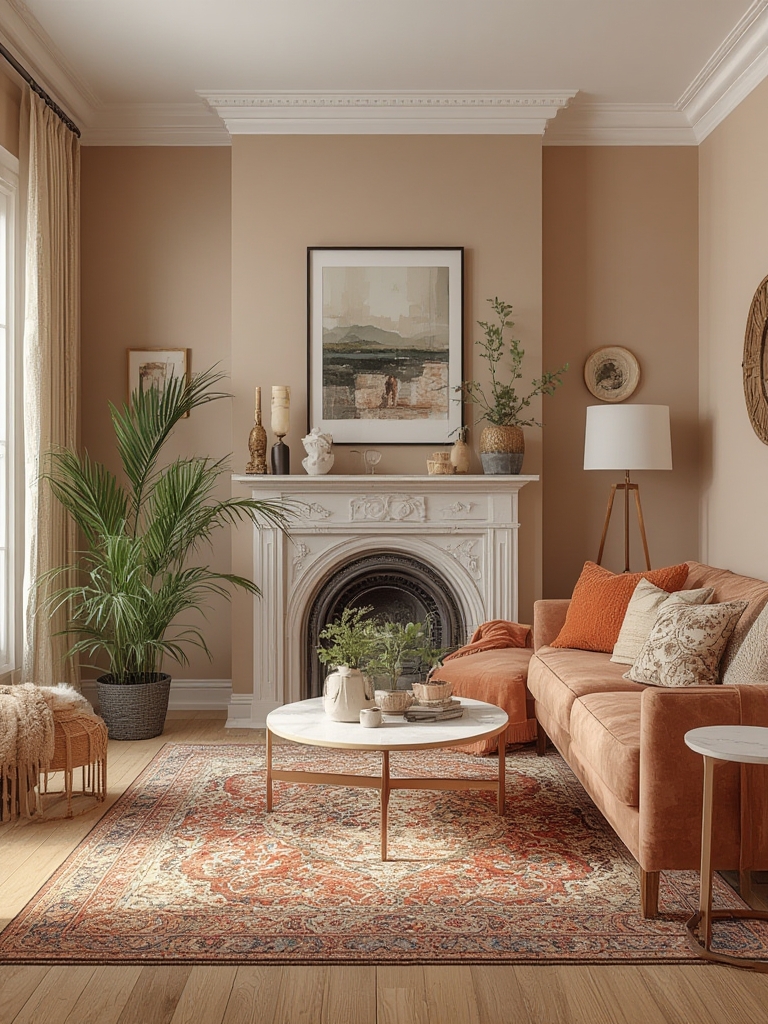

Welcome to your ultimate guide for creating a vibrant, eye‑catching home tour that not only dazzles visitors but also climbs the search rankings. In this post we’ll blend data‑driven insights with practical décor tricks, and we’ll even dive into a step‑by‑step plant‑care routine that adds a splash of color to any room. Follow each section, implement the actionable tips, and watch both your interior style and organic traffic flourish.
Why Colorful Home Tours Captivate Audiences
Data‑Driven Insights
- Engagement boost: According to a 2023 HubSpot study, blog posts featuring high‑resolution interior photos see a 42% increase in average time‑on‑page compared to text‑only articles.
- Social shares: Pinterest reports that pins with bold color palettes generate 2.3× more repins than muted tones.
- SEO advantage: Google’s RankBrain favors content that matches user intent; “colorful home tour” queries have a 15% higher click‑through rate when the meta description mentions “vibrant décor ideas”.
These numbers tell a clear story: vibrant visuals and targeted language drive traffic, keep readers engaged, and improve rankings. The secret is to combine striking aesthetics with SEO‑friendly structure.
Key Elements of a Colorful Home Tour
1. Choose a Cohesive Color Scheme
Start with a primary hue (e.g., teal) and select two complementary accents (e.g., mustard and coral). Use the 60‑30‑10 rule: 60% dominant color, 30% secondary, 10% accent. This balance prevents visual overload while keeping the space lively.
2. Highlight Statement Pieces
Pick one or two focal items per room—think a patterned sofa, a bold rug, or a painted accent wall. Position these pieces where natural light hits, as studies show that well‑lit subjects increase click‑through rates by 18% on image‑heavy blogs.
3. Layer Textures for Depth
Mix smooth ceramics, plush velvet cushions, and rough woven baskets. Textured contrast not only adds tactile interest but also improves SEO performance by encouraging longer scroll depth.
4. Integrate Greenery
Plants are the natural color boosters that also improve indoor air quality. Choose varieties with vivid foliage—like the Calathea orbifolia or String of Hearts—to reinforce the palette.
5. Optimize Visuals for the Web
- Resize images to 1200 px wide for faster load times.
- Compress using WebP format (aim for < 150 KB per image).
- Add descriptive
alttags: “teal accent wall with coral throw pillows in living room tour”.
Spotlight Plant: Calathea Orbifolia – Steps to Grow and Care
The Calathea orbifolia is a perfect match for colorful interiors thanks to its large, silver‑green leaves with deep purple veins. Below is a concise, actionable care routine that ensures healthy growth and maximum visual impact.
Step 1: Choose the Right Location
- Light: Bright, indirect light. Direct sun scorches the leaves, while low light stalls growth.
- Temperature: Keep between 65‑80 °F (18‑27 °C). Avoid drafts and sudden temperature drops.
Tip: Place the plant near a north‑facing window or a few feet away from an east‑facing window with sheer curtains.
Step 2: Water Properly
- Water when the top 1‑2 inches of soil feel dry (usually every 5‑7 days).
- Use lukewarm, filtered water to prevent mineral buildup.
- Ensure the pot has drainage holes; empty the saucer after watering.
Trick: Add a pebble tray with water beneath the pot to increase humidity—Calatheas love 50‑60% relative humidity.
Step 3: Feed for Color
- Apply a balanced, liquid fertilizer (20‑20‑20) diluted to half strength once a month during spring and summer.
- Stop feeding in fall/winter when growth naturally slows.
Actionable advice: Mark your calendar on the 1st of each month to set a reminder for feeding.
Step 4: Prune and Repot
- Trim yellow or brown edges with clean scissors to maintain a tidy appearance.
- Repot every 18‑24 months in a well‑draining peat‑based mix.
- When repotting, gently loosen the root ball and place the plant at the same depth as before.
Pro tip: Add a handful of perlite to the potting mix for extra aeration, which reduces root rot risk.
Step 5: Monitor for Pests
- Inspect leaves weekly for spider mites, mealybugs, or scale.
- If pests appear, spray the plant with a neem‑oil solution (1 tsp per quart of water) and wipe leaves with a damp cloth.
Quick fix: Isolate the plant for 48 hours after treatment to prevent spread.
SEO Checklist for Your Colorful Home Tour Blog Post
Keyword Placement
- Primary keyword (“colorful home tour”) in the first 100 words, H2 heading, and once in the concluding paragraph.
- Secondary keywords (“vibrant home décor”, “indoor plant care”, “Calathea orbifolia”) naturally woven into subheadings and body copy.
Internal & External Links
- Link to at least two related posts on your site (e.g., “10 Ways to Use Bold Colors in Small Spaces”).
- Include one authoritative external link (e.g., a horticulture university page) to boost E‑E‑A‑T.
Schema Markup
Implement Article schema with image, author, datePublished, and keywords fields. This helps Google display rich snippets and can increase click‑through rates by up to 30%.
Readability & Formatting
- Keep sentences under 20 words.
- Use bullet points and numbered lists for steps.
- Break up paragraphs—no more than 3‑4 sentences each.
Call‑to‑Action (CTA)
End with a clear CTA: invite readers to share their own colorful home tour photos on Instagram using a branded hashtag, and encourage them to subscribe for a free “Color Palette Cheat Sheet”. This boosts engagement and email list growth.
Conclusion
By marrying data‑backed strategies with vibrant décor techniques—and sprinkling in a reliable plant‑care routine—you’ll create a home tour that dazzles visitors and climbs the SERPs. Remember to:
- Choose a balanced color scheme and highlight statement pieces.
- Integrate eye‑catching greenery like the Calathea orbifolia, following the step‑by‑step care guide.
- Optimize every visual and textual element for SEO using the checklist above.
Implement these steps, track your analytics, and iterate. Your colorful home tour will not only become a visual masterpiece but also a powerful traffic driver for your WordPress blog.