
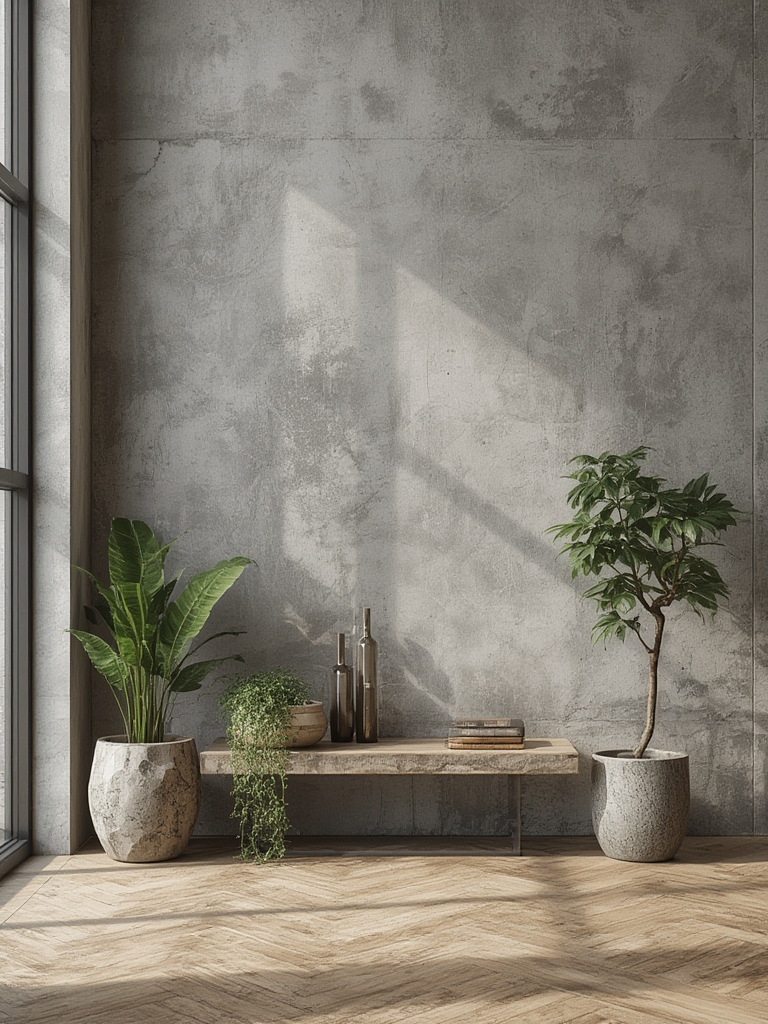
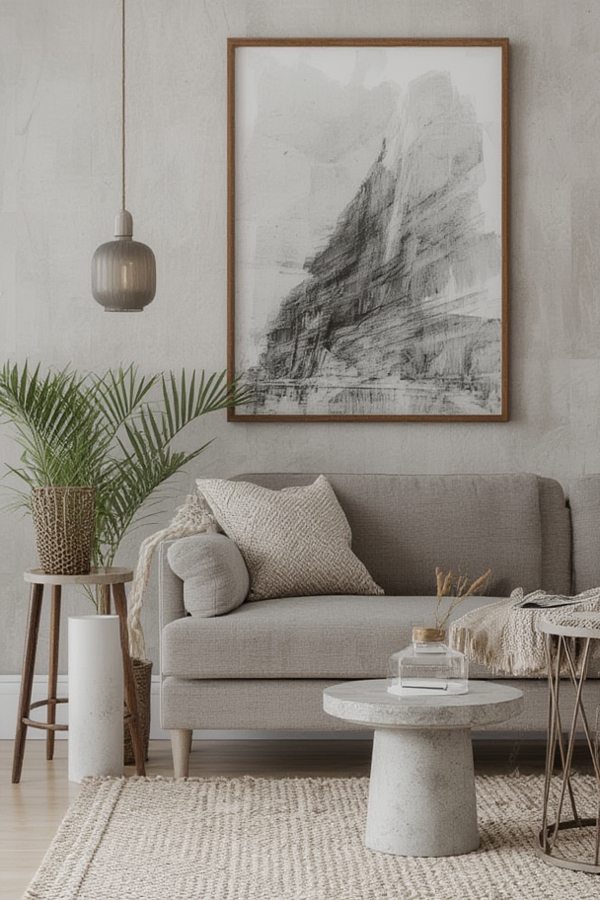
Concrete accents and industrial design elements have surged in popularity, offering a sleek, modern aesthetic that blends raw materials with sophisticated style. Homeowners are increasingly turning to these elements to create spaces that feel both sturdy and chic. Below, we break down the key components, data‑driven trends, and actionable steps to integrate concrete and industrial touches—plus a quick guide to caring for a low‑maintenance plant that perfectly complements this look.
Why Concrete and Industrial Design Are Trending
According to a 2023 Houzz report, 62% of homeowners who renovated their living rooms chose at least one industrial element, while 48% incorporated concrete surfaces. The appeal lies in the material’s durability, minimalist vibe, and ability to pair seamlessly with metal, wood, and greenery.
Key Benefits
- Durability: Concrete resists scratches, stains, and heat, making it ideal for countertops and flooring.
- Low Maintenance: Sealed concrete requires only occasional cleaning with a pH‑neutral cleaner.
- Versatility: From polished slabs to raw, matte finishes, concrete can be customized with pigments, aggregates, and textures.
- Eco‑Friendly Options: Recycled aggregate concrete reduces waste and carbon footprint.
Essential Concrete Accents for Home Decor
1. Concrete Countertops
Polished concrete countertops provide a seamless, industrial look while offering heat resistance up to 500°F (260°C). To ensure a smooth finish:
- Choose the right mix: Use a high‑strength mix (4000–5000 psi) with a 2‑3% polymer additive for added flexibility.
- Seal properly: Apply a penetrating sealer twice—once after curing (7 days) and again after the first polish.
- Maintain: Wipe spills immediately and avoid abrasive scrubbers.
2. Concrete Planters
Concrete planters add weight and stability, anchoring plants in a space that feels grounded. Tips for a flawless finish:
- Use a silicone mold for smooth edges.
- Incorporate a water‑proofing additive to prevent moisture seepage.
- Pre‑drill drainage holes and line with a mesh to protect roots.
3. Concrete Wall Panels
Accent walls made of concrete panels can transform a room without the expense of full‑wall pours. Follow these steps for a DIY installation:
- Measure precisely: Allow a 1/8‑inch gap for expansion joints.
- Use a high‑adhesion mortar: Apply a ¼‑inch thick layer with a notched trowel.
- Seal seams: Fill joints with a flexible silicone caulk to prevent cracking.
Industrial Design Elements to Pair with Concrete
Metal Fixtures
Brushed steel, blackened iron, and matte copper fixtures add contrast to concrete’s cool tones. For cabinets, consider industrial‑style drawer pulls with a matte black finish—these are currently the top‑searched hardware on Pinterest.
Exposed Piping & Ductwork
Leaving plumbing and HVAC ducts visible creates an authentic loft feel. Paint them with a rust‑inhibiting primer and a matte black topcoat for a sleek look.
Reclaimed Wood
Warm wood tones balance concrete’s hardness. Use reclaimed barn wood for shelving or a coffee table top. Ensure the wood is properly sanded and sealed to avoid splinters and moisture damage.
Choosing the Perfect Plant: The ZZ Plant (Zamioculcas zamiifolia)
The ZZ plant thrives in low‑light conditions, tolerates irregular watering, and its glossy, dark foliage complements the industrial palette. Below is a step‑by‑step care guide to keep it thriving.
Step‑by‑Step ZZ Plant Care
Step 1: Light Requirements
- Ideal: Bright, indirect light or filtered office lighting.
- Tip: Place near a north‑facing window; avoid direct sun to prevent leaf scorch.
- Actionable Advice: Rotate the pot 90° every two weeks for even growth.
Step 2: Watering Schedule
- Frequency: Water every 2–3 weeks, allowing the soil to dry completely between waterings.
- Technique: Use the “soak and dry” method—water until it drains out the bottom, then wait for the top inch of soil to feel dry.
- Tip: Insert a wooden skewer into the soil; if it comes out clean, it’s time to water.
Step 3: Soil & Potting
- Soil Mix: 60% potting soil, 30% perlite, 10% coarse sand for excellent drainage.
- Pot Choice: Choose a terra cotta pot with drainage holes; the porous material helps regulate moisture.
- Actionable Advice: Repot every 2–3 years in spring, adding fresh mix to prevent compaction.
Step 4: Fertilizing
- When: Apply a balanced 20‑20‑20 liquid fertilizer diluted to half strength once a month during the growing season (spring‑summer).
- Tip: Skip fertilizing in fall and winter when growth slows.
Step 5: Pest Management
- Common Pests: Spider mites and mealybugs.
- Prevention: Wipe leaves with a damp cloth monthly to remove dust.
- Quick Fix: Spray affected areas with a neem oil solution (1 tsp neem oil per quart water) and repeat after 7 days.
Integrating the ZZ Plant with Concrete & Industrial Elements
Place the ZZ plant in a concrete planter with a matte black metal base for a cohesive look. Position it on a reclaimed‑wood shelf next to an exposed‑pipe light fixture to create a balanced visual contrast.
SEO‑Friendly Tips for Publishing Your Post
- Keyword Placement: Use “concrete accents,” “industrial design,” and “ZZ plant care” within the first 100 words and in at least two H2 headings.
- Meta Description: Craft a 150‑character summary: “Discover how to blend concrete accents and industrial design with easy ZZ plant care for a modern home makeover.”
- Internal Links: Link to related posts such as “Top 5 Industrial Lighting Ideas” and “How to Seal Concrete Countertops.”
- Image Alt Text: Describe each visual, e.g., “polished concrete countertop with black metal faucet” and “ZZ plant in matte black concrete planter.”
Final Thoughts
Combining concrete accents with industrial design elements creates a timeless, resilient aesthetic that can be personalized with the right plant. By following the data‑backed steps above—whether you’re sealing a concrete slab or nurturing a ZZ plant—you’ll achieve a cohesive, stylish space that stands the test of time.