
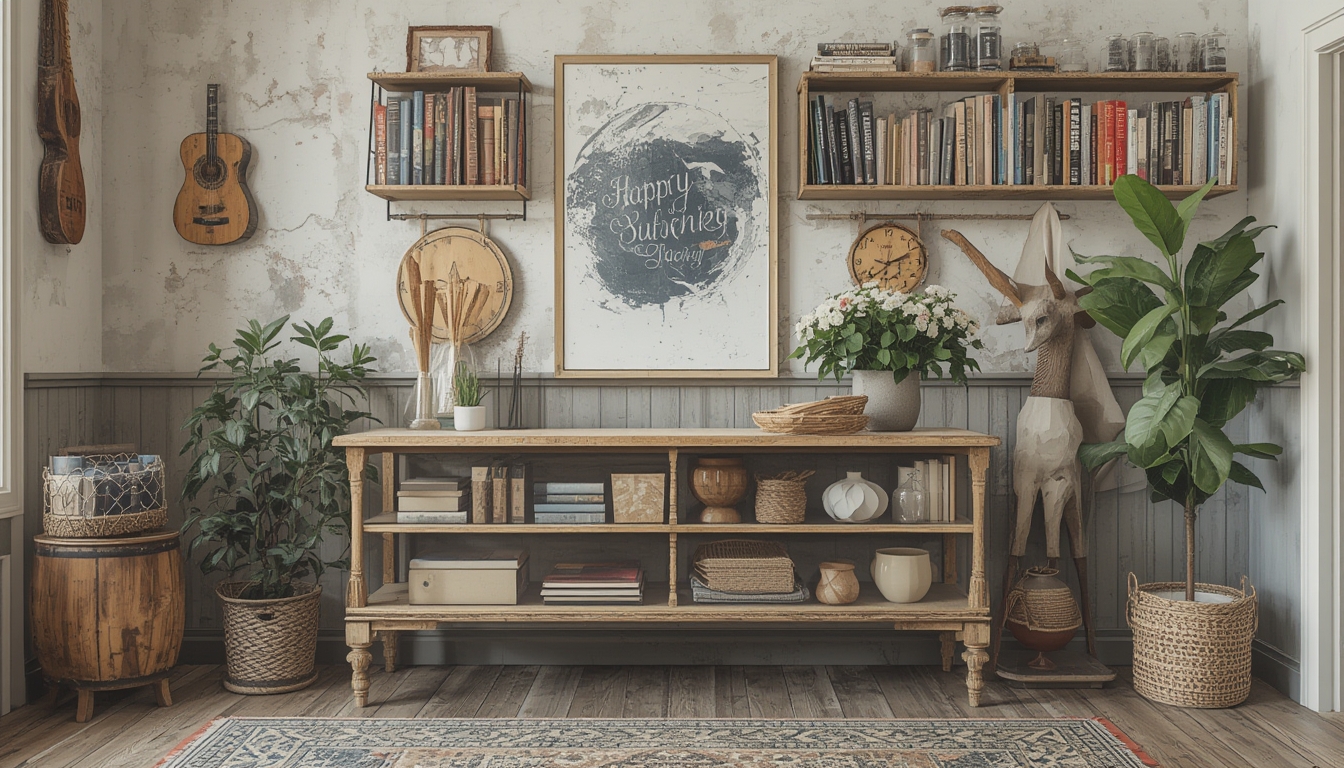

Introduction to Upcycling: Turning Everyday Items into Treasured Pieces
Upcycling is more than a trend; it’s a sustainable way to give new life to objects that would otherwise end up in the landfill. By combining creativity with practical know‑how, you can transform simple materials into functional, stylish pieces for your home. This guide walks you through a popular DIY project—building a rustic coffee table from reclaimed wooden pallets—while offering actionable tips, essential tools, and step‑by‑step instructions that are easy to follow.
Materials and Tools You’ll Need
Materials
- 2–3 sturdy wooden pallets (standard 48” × 40” size works best)
- Sandpaper (80‑grit and 220‑grit)
- Wood filler or epoxy putty
- Stain or paint of your choice
- Clear polyurethane sealant
- 4 metal or wooden table legs (adjustable height preferred)
- 2 × 4 lumber (for reinforcing the frame, optional)
- Hook‑and‑loop fasteners or small brackets (for added stability)
Tools
- Measuring tape and carpenter’s square
- Circular saw or handsaw
- Power drill with assorted bits (including a 1/4” drill for pilot holes)
- Impact driver or screwdriver
- Clamps (2–3 medium‑size)
- Rubber mallet
- Paintbrushes or foam rollers
- Safety gear: goggles, dust mask, ear protection
Step‑by‑Step Assembly
1. Prepare the Pallets
Inspect and Clean – Lay each pallet flat on the ground and check for loose nails, splinters, or rot. Use a hammer and pliers to remove any protruding nails. Wipe the surface with a damp cloth to eliminate dust and debris.
Sand the Surface – Begin with 80‑grit sandpaper to smooth rough edges and remove old finishes. Follow up with 220‑grit for a finer finish. Sanding not only improves aesthetics but also prepares the wood for stain or paint.
Fill Gaps – Apply wood filler or epoxy putty to cracks and nail holes. Smooth it with a putty knife and let it cure according to the manufacturer’s instructions. Once dry, sand the patched areas lightly.
2. Cut and Size the Table Top
Measure Desired Dimensions – A typical coffee table measures 48” × 24”. Mark the pallet boards accordingly, leaving a slight overhang for a rustic look.
Cut the Boards – Using a circular saw, cut the pallet boards to the marked length. Keep the cuts straight; a carpenter’s square helps maintain accuracy.
Arrange the Boards – Lay the cut boards side by side on a flat surface. Ensure the grain direction is consistent for a uniform appearance. Overlap the boards slightly if you want a seamless surface.
3. Build the Supporting Frame (Optional but Recommended)
Create a Reinforcement Frame – Cut two pieces of 2 × 4 lumber to the length of the table (48”) and two pieces to the width (24”). Assemble a rectangular frame using wood screws (1½” to 2”). This frame adds stability and prevents sagging.
Attach the Frame – Position the frame underneath the pallet boards and secure it with wood screws through the pallet planks into the 2 × 4s. Use clamps to hold everything tight while you drill.
4. Install the Table Legs
Choose Leg Style – Metal hairpin legs give a mid‑century vibe, while wooden turned legs maintain a farmhouse feel. Ensure the legs are rated for the table’s weight.
Mark Leg Positions – Measure 2” in from each corner of the frame and mark the drilling points. This offset provides a balanced look and prevents wobbling.
Drill Pilot Holes – Using a 1/4” drill bit, create pilot holes at the marked spots. This prevents the wood from splitting when you attach the legs.
Secure the Legs – Align each leg with its pilot hole and fasten using the supplied bolts or screws. Tighten evenly to keep the table level.
5. Finish the Surface
Stain or Paint – Apply your chosen stain with a brush or cloth, working with the grain. Let it penetrate for 5–10 minutes, then wipe excess. For paint, use a foam roller for a smooth coat. Apply a second coat if needed, allowing each layer to dry fully (usually 2–4 hours).
Seal the Table – Once the color is dry, protect the surface with a clear polyurethane sealant. Use a brush to apply a thin, even layer, then sand lightly with 220‑grit sandpaper between coats. Two to three coats provide a durable finish that resists spills and scratches.
6. Add Final Touches
Attach Decorative Elements – Consider adding a reclaimed metal handle as a subtle accent, or glue a small tray underneath for extra storage.
Level the Table – Place the table on a flat surface and check for wobble. If needed, adjust the leg height (if using adjustable legs) or add felt pads under the legs to stabilize.
Practical Tips for Success
- Work in a well‑ventilated area when sanding, staining, or sealing to avoid inhaling fumes.
- Use a dust collection system or a shop vacuum while sanding to keep the workspace clean.
- Test stain on a scrap piece of pallet wood before applying it to the whole table; this shows how the wood will react.
- Pre‑drill all screw holes to prevent the wood from cracking, especially near the edges.
- Secure the workpiece with clamps whenever you’re cutting or drilling; this reduces movement and improves accuracy.
- Consider a protective mat under the table during the finishing stage to avoid accidental spills on the floor.
Conclusion: From Waste to Wow
Upcycling a wooden pallet into a coffee table demonstrates how simple tools, a bit of patience, and a creative mindset can transform ordinary materials into standout furniture. By following the steps outlined above, you’ll end up with a functional, stylish piece that reflects both personal flair and environmental responsibility. The process also builds confidence for future projects—whether you’re restoring a vintage chair, converting a tin can into a planter, or repurposing old denim into a decorative rug. Embrace the joy of making, and let each upcycled creation inspire the next.