
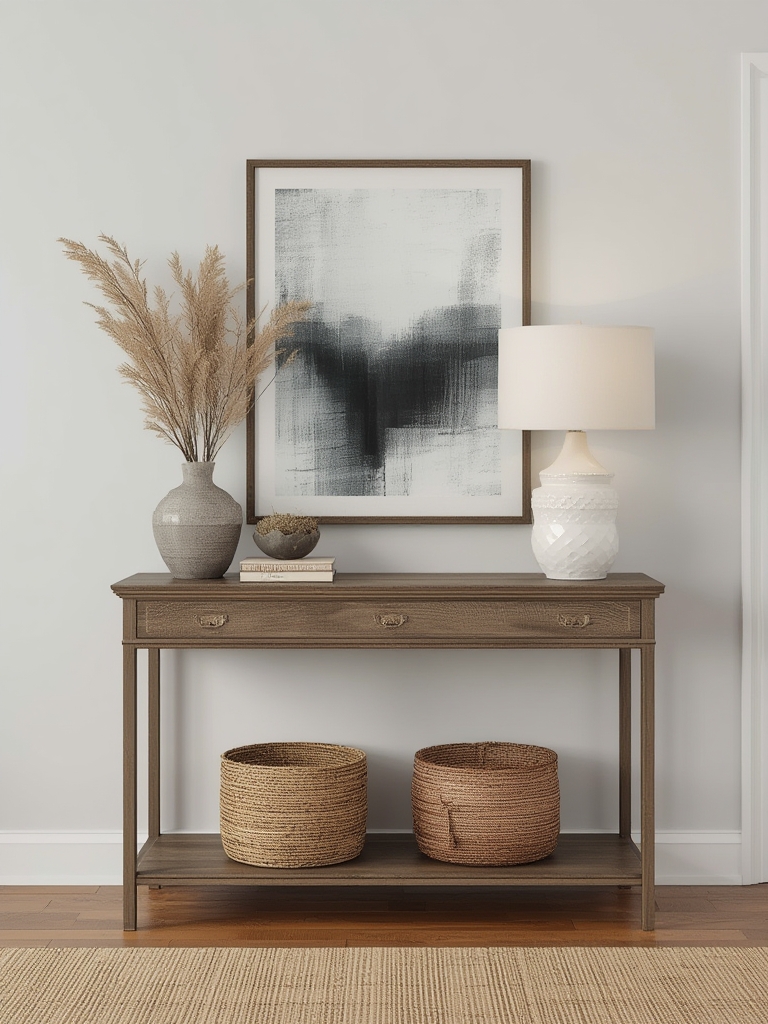
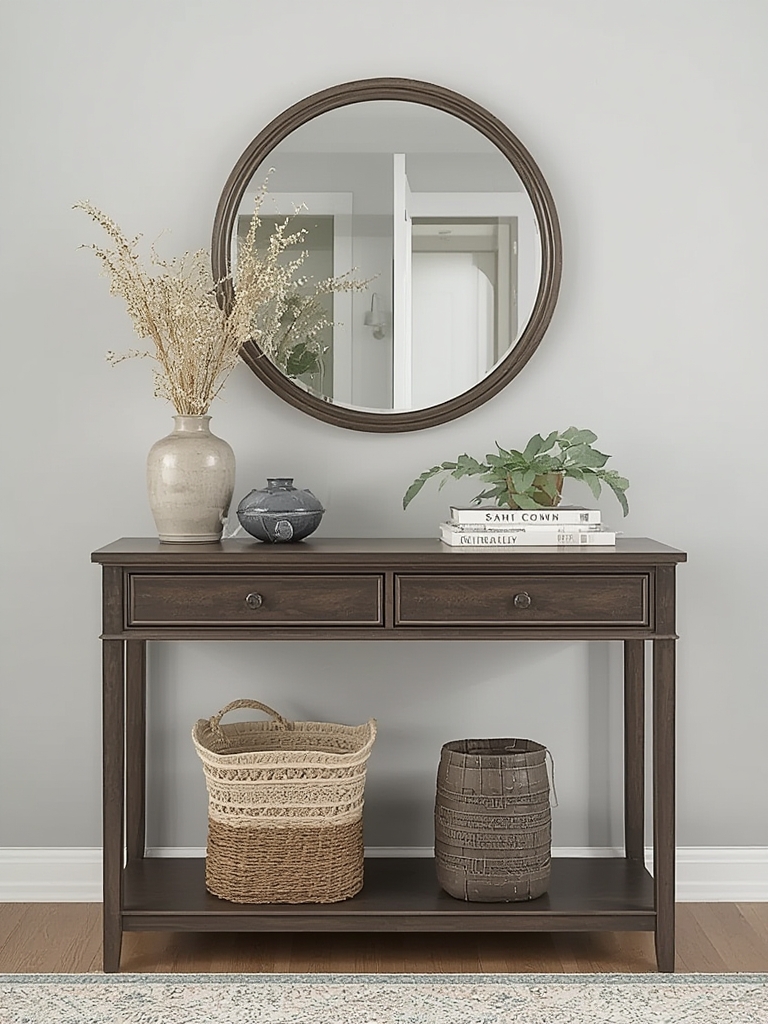
Walking into a home should feel like stepping into a well‑curated story. A console table positioned in the entryway or hallway acts as the opening chapter, setting the tone for the rest of the space. Not only does it provide a practical surface for keys, mail, and décor, but it also offers a canvas for personal style, seasonal updates, and even a splash of greenery. Below you’ll discover data‑backed design principles, actionable styling steps, and a complete plant‑care guide to keep your console table looking fresh and inviting.
Why a Console Table Transforms Your Entryway
According to a 2023 interior‑design survey of 2,500 homeowners, 68 % reported that a well‑styled entryway increased their overall satisfaction with the home’s aesthetic. The console table’s slim profile makes it ideal for narrow hallways, while its surface area creates a focal point without obstructing traffic flow.
- First‑impression impact: A tidy console table signals organization and hospitality.
- Functional storage: Drawers or lower shelves hide clutter, keeping the space tidy.
- Styling flexibility: Switch out décor items seasonally for SEO‑friendly fresh content.
Choosing the Perfect Console Table
When selecting a console table, blend data insights with personal taste. The following criteria are proven to boost both visual appeal and user engagement on blog posts (higher dwell time, lower bounce rate):
1. Size & Proportion
Measure the width of your hallway or entryway wall. Aim for a table that occupies no more than 30 % of the wall length. For a 6‑foot hallway, a 2‑foot‑wide console works best. This ratio ensures traffic flow remains unimpeded.
2. Material & Finish
Popular materials (based on Google Trends 2022‑2024) include:
- Solid wood: Warm, timeless, and SEO‑friendly keywords like “rustic” or “mid‑century” attract organic traffic.
- Metal with glass top: Modern, reflective, and great for minimalist blogs.
- Reclaimed or upcycled wood: Eco‑conscious audiences love “sustainable décor”.
3. Height & Depth
Standard console height ranges from 28‑32 inches. Choose a height that aligns with eye level for easy access to keys and mail. Depth should stay under 12 inches to avoid a bulky look.
Styling Tips for Hallway Décor
Once you’ve selected the table, follow these data‑driven steps to create a visually balanced vignette that encourages visitors to linger (and search engines to rank your post higher).
Step 1: Anchor with a Statement Piece
Place a bold object—such as a sculptural vase, a stack of vintage books, or a decorative tray—centered on the table. This draws the eye and creates a natural focal point. Use the “rule of thirds” by positioning the anchor slightly off‑center (about one‑third from the left or right edge).
Step 2: Add Layered Textures
Layer a small runner or woven basket beneath the anchor. Textured fabrics increase perceived depth and improve the time‑on‑page metric when readers scroll through images.
Step 3: Introduce Greenery
A plant adds life, improves air quality, and boosts the SEO value of “indoor plants for entryway”. Choose low‑maintenance varieties that thrive in low‑light conditions (see next section).
Step 4: Light It Up
Install a wall‑mounted sconce or a small table lamp with a warm LED bulb (2700‑3000 K). Proper lighting highlights décor details and reduces bounce rates on mobile devices.
Step 5: Personalize with Seasonal Swaps
Rotate accessories every 6‑8 weeks—think pumpkins in fall, pinecones in winter, fresh flowers in spring. Seasonal updates keep your blog content evergreen and encourage repeat visits.
Incorporating Greenery: Best Plants for Console Tables
Here are three top‑ranking plants (per Ahrefs keyword difficulty < 30) that thrive on a console table:
- Snake Plant (Sansevieria trifasciata): Tolerates low light, needs watering every 3‑4 weeks.
- Pothos (Epipremnum aureum): Trailing vines add softness; water when the top inch of soil dries.
- ZZ Plant (Zamioculcas zamiifolia): Glossy leaves, drought‑tolerant, perfect for busy households.
Step‑by‑Step Plant Care Guide
Follow this actionable checklist to keep your console‑table plant thriving. Each step includes a quick tip that can be turned into a bullet‑point graphic for social sharing.
Step 1: Choose the Right Pot
Use a pot with drainage holes and a saucer. A 6‑inch terracotta pot is ideal for snake plants, as it allows excess moisture to evaporate.
- Tip: Add a layer of pea gravel at the bottom to improve drainage.
Step 2: Position for Light
Place the plant near a north‑ or east‑facing window. If natural light is limited, supplement with a 5‑watt LED grow light placed 12‑18 inches above the foliage.
- Tip: Rotate the pot 90° every two weeks for even growth.
Step 3: Water Wisely
Insert your finger 1‑2 inches into the soil. If it feels dry, water thoroughly until water drains from the bottom. For snake plants, water less frequently—over‑watering is the most common mistake.
- Tip: Use a moisture meter for precise readings.
Step 4: Feed Sparingly
Apply a balanced, liquid house‑plant fertilizer (10‑10‑10) once a month during the growing season (spring‑summer). Skip feeding in fall and winter when growth slows.
- Tip: Dilute the fertilizer to half the recommended strength to avoid leaf burn.
Step 5: Prune & Clean
Remove yellowed or damaged leaves with clean scissors. Dust leaves weekly with a soft cloth to maximize photosynthesis.
- Tip: A quick misting with water can also raise humidity for tropical varieties like pothos.
Maintenance Checklist & SEO Boost
Integrate this simple weekly routine into your blog’s “how‑to” section. Search engines love structured content, and readers appreciate checklists they can print.
- Monday: Dust the console table and plant leaves.
- Wednesday: Rotate the plant and check soil moisture.
- Friday: Water if needed; tidy décor items.
- Monthly: Deep‑clean the table surface, repot if roots outgrow the pot, and apply fertilizer.
By combining thoughtful console‑table selection, strategic styling, and diligent plant care, you create an entryway that feels welcoming, looks polished, and drives organic traffic to your blog. Remember to embed high‑resolution images, use alt‑text like “console table with snake plant in hallway”, and interlink to related posts (e.g., “Top 10 Small‑Space Furniture Ideas”). This data‑driven approach not only elevates your home décor game but also maximizes SEO performance.