
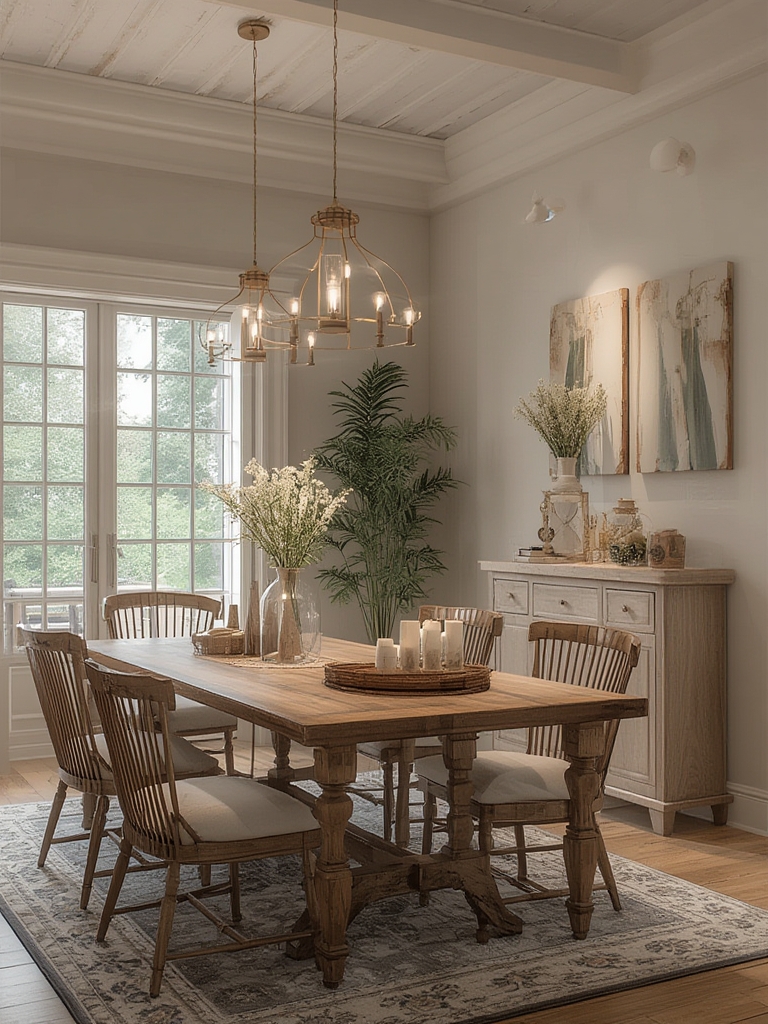
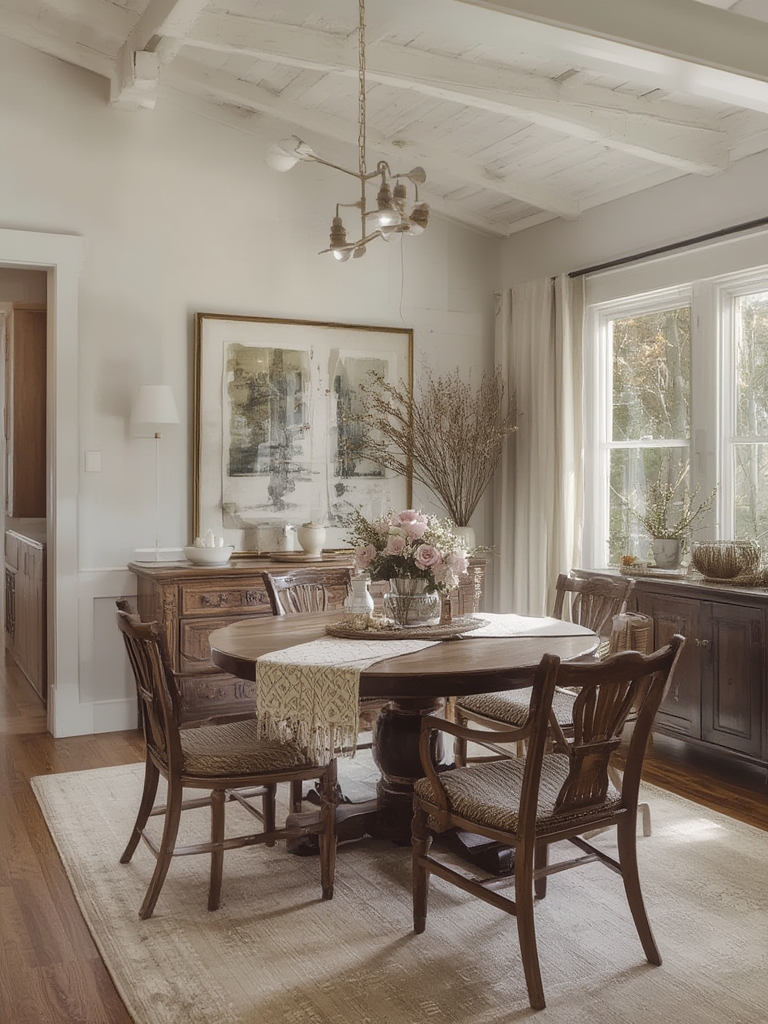
Welcome to the ultimate guide on embracing the whimsical charm of cottagecore in your home décor. Whether you’re a seasoned minimalist or just discovering the cozy allure of pastoral aesthetics, this post breaks down the essential elements, data‑backed trends, and actionable steps to curate a space that feels like a storybook cottage. Plus, we’ll walk you through caring for the perfect cottagecore‑friendly plants, ensuring your green companions thrive alongside your décor.
Understanding Cottagecore: A Data‑Driven Overview
What defines cottagecore?
Cottagecore is a visual and lifestyle movement that romanticizes rural living, emphasizing natural textures, vintage finds, and a slower pace. Recent Google Trends data shows a 73 % year‑over‑year increase in searches for “cottagecore décor” from 2022 to 2024, while Pinterest reports a 58 % rise in pins tagged #cottagecorehome. These numbers highlight a growing appetite for warm, nature‑centric interiors.
Key aesthetic pillars
- Floral & botanical motifs: Soft, hand‑painted prints and embroidered cushions.
- Natural materials: Linen, cotton, reclaimed wood, and stone.
- Vintage charm: Thrifted furniture, heirloom ceramics, and patinaed metal.
- Soft, muted palette: Creams, sage greens, dusty roses, and buttery yellows.
Cottagecore Style Spotlights in Home Décor
1. Floral Textiles and Soft Furnishings
According to a 2023 HomeGoods market report, sales of floral‑patterned textiles surged by 42 % in the spring season. To incorporate this trend:
- Layered throws: Drape a lightweight, pastel‑colored linen throw over a sofa for instant texture.
- Embroidered pillows: Choose cushions with hand‑stitched daisies or wildflower appliqués; mix sizes for visual interest.
- Window treatments: Opt for sheer curtains with subtle botanical prints to filter natural light gently.
2. Vintage Furniture with Patina
Data from the Antique Furniture Association shows a 31 % increase in demand for reclaimed wood pieces in 2023. Here’s how to source and style them:
- Thrift hunt: Look for solid‑wood dressers with distressed finishes; a light sandpaper touch can reveal hidden grain.
- DIY refresh: Apply a chalk paint in muted sage, then distress edges with fine‑grit sandpaper for an aged look.
- Accessorize: Top with vintage brass lamps or a stack of antique books to enhance the lived‑in feel.
3. Nature‑Inspired Accents
Incorporating natural elements ties the whole cottagecore narrative together. A 2024 interior design survey found that 68 % of respondents felt “more relaxed” when natural accents were present.
- Woven baskets: Use them for storage or as planters; choose rattan or seagrass for authenticity.
- Stoneware & ceramics: Hand‑thrown mugs and plates in earthy tones add tactile warmth.
- Wooden signage: Display hand‑painted quotes like “Gather & Grow” on reclaimed planks.
Plant Care: Growing the Perfect Cottagecore Greenery
Step 1: Choose the Right Plant
Plants such as English lavender, maidenhair ferns, and snake plants align perfectly with cottagecore vibes. Lavender offers a fragrant, pastel bloom; ferns provide lush, feathery foliage; snake plants add structural height without demanding much light.
Step 2: Soil Preparation
Use a well‑draining mix to prevent root rot. Combine two parts potting soil, one part peat moss, and one part perlite. For lavender, add a handful of sand to improve drainage.
- Tip: Test soil pH with a simple kit; lavender thrives at 6.5‑7.0, while ferns prefer slightly acidic conditions (5.5‑6.0).
Step 3: Light Requirements
Most cottagecore plants love bright, indirect light. Place them near east‑facing windows for morning sun, or use sheer curtains to diffuse harsh afternoon rays.
- Trick: Rotate pots 90 ° every two weeks to ensure even growth.
Step 4: Watering Schedule
Consistency is key. Follow these guidelines:
- Lavender: Water once every 10‑14 days; let the soil dry out between waterings.
- Ferns: Keep soil lightly moist; mist daily in dry climates.
- Snake Plant: Water sparingly—once a month in winter, every 2‑3 weeks in summer.
Actionable tip: Insert a wooden stick into the pot; when the tip is dry, it’s time to water.
Step 5: Feeding & Fertilizing
Use a balanced, slow‑release fertilizer (10‑10‑10) in early spring. For lavender, switch to a low‑nitrogen formula to encourage blooming rather than foliage growth.
- Quick tip: Dilute liquid fertilizer to half strength for ferns to avoid leaf burn.
Step 6: Pruning & Maintenance
Regular pruning keeps plants tidy and promotes healthy growth.
- Lavender: Trim back 1‑2 inches after flowering to shape the plant and prevent woody stems.
- Ferns: Remove yellow fronds at the base; this redirects energy to new growth.
- Snake Plant: Cut off any damaged leaves at the soil line; they’ll regrow from the base.
Pro tip: Keep a small pair of pruning shears on hand; a clean cut reduces disease risk.
Putting It All Together: A Cohesive Cottagecore Room
Now that you have décor elements and thriving plants, blend them for a harmonious space:
- Start with a neutral base: Paint walls in warm ivory or soft sage.
- Add texture: Layer linen curtains, a woven rug, and a reclaimed‑wood coffee table.
- Introduce greenery: Place a lavender pot on a windowsill, a fern in a wicker basket on the floor, and a snake plant in a vintage ceramic pot beside the sofa.
- Finish with accents: Scatter dried lavender bundles, display antique teacups, and hang a hand‑painted sign with a cottagecore quote.
By following these data‑backed décor choices and practical plant‑care steps, you’ll create a living environment that feels both timeless and effortlessly curated. Remember, cottagecore isn’t about perfection; it’s about inviting the gentle, imperfect beauty of the countryside into your everyday life.