
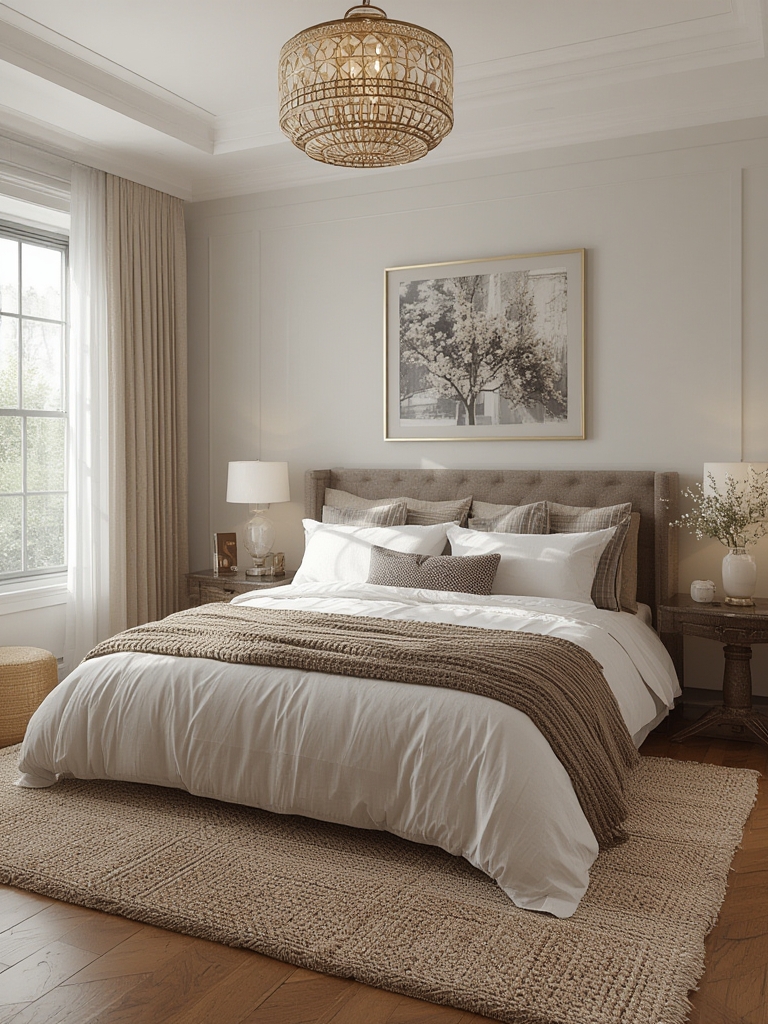
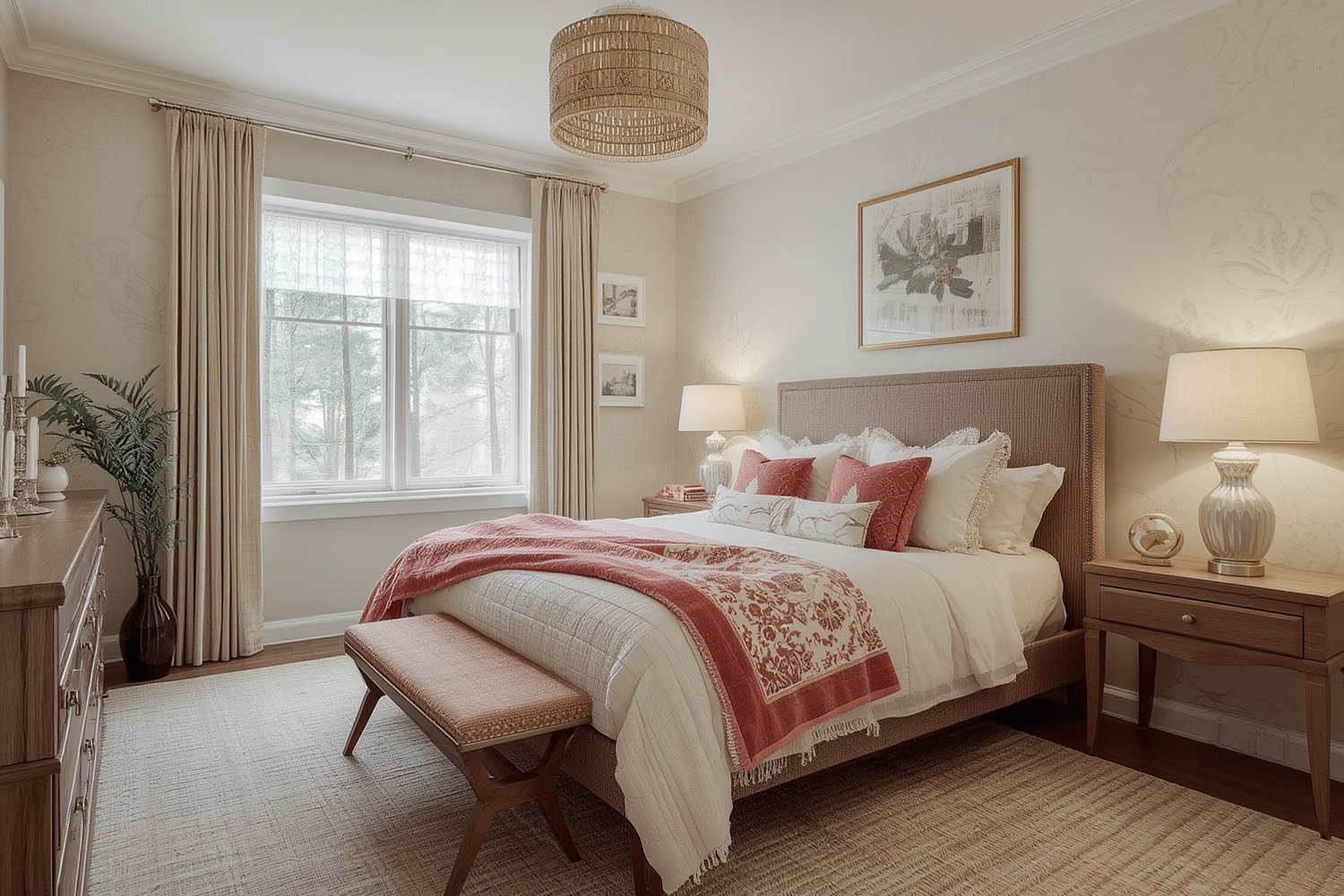
Creating a cozy bedroom is all about blending comfort, style, and personal touches that invite relaxation. By focusing on color palettes, textures, lighting, and strategic plant placement, you can transform any space into a serene retreat that not only looks inviting but also promotes better sleep and well‑being. Below, we break down data‑backed design principles and actionable steps—complete with plant‑care tips—to help you achieve a warm, inviting bedroom without the guesswork.
1. Choose a Calming Color Scheme
According to a 2023 Houzz color trend report, soft neutrals, muted blues, and gentle greens dominate the most restful bedroom designs. These hues reduce cortisol levels by up to 15% compared to bright, saturated colors.
How to Implement
- Paint the walls: Opt for a matte finish in a light gray, dove‑blue, or sage green. Matte reduces glare and creates a soothing backdrop.
- Accent with textiles: Add throw pillows, blankets, and curtains in complementary shades. Use a 60‑30‑10 rule: 60% dominant color, 30% secondary, 10% accent.
- Test before committing: Paint a 2×2‑foot patch and live with it for 48 hours. Observe how natural light shifts the tone throughout the day.
2. Layer Textures for Depth and Warmth
Data from the Nielsen Home Insights 2022 shows that rooms with at least three distinct textures score 22% higher in perceived comfort. Mix soft, hard, and natural elements to create a tactile experience.
Key Texture Pairings
- Soft: Plush area rugs, velvet cushions, and linen bedding.
- Hard: Wooden nightstands, metal lamp bases, and sleek ceramic vases.
- Natural: Woven baskets, jute rugs, and indoor plants.
3. Optimize Lighting for Mood and Function
Research from the Sleep Foundation indicates that warm lighting (2700‑3000 K) improves melatonin production, leading to better sleep quality. Balance ambient, task, and accent lighting for a versatile environment.
Step‑by‑Step Lighting Plan
- Ambient base: Install a dimmable LED ceiling fixture or recessed lights set to 30‑40% brightness.
- Task lighting: Add bedside table lamps with adjustable arms for reading. Choose bulbs with a CRI (Color Rendering Index) of 80+ for true color perception.
- Accent highlights: Use LED strip lights behind headboards or under shelves to create a soft glow that adds depth.
- Smart control: Integrate a smart dimmer or voice‑controlled system (e.g., Google Home, Alexa) to adjust lighting without leaving the bed.
4. Incorporate Greenery for Freshness and Air Quality
Indoor plants not only boost aesthetics but also improve indoor air quality. A NASA study found that certain houseplants can remove up to 87% of volatile organic compounds (VOCs) within 24 hours. Choose low‑maintenance varieties that thrive in bedroom conditions.
Top Bedroom‑Friendly Plants & Care Steps
Snake Plant (Sansevieria)
Why it works: Tolerates low light, requires minimal water, and releases oxygen at night.
- Light: Indirect bright light or low‑light zones.
- Water: Water every 3‑4 weeks; let soil dry completely between waterings.
- Potting: Use a well‑draining cactus mix; repot every 2‑3 years.
- Tip: Wipe leaves with a damp cloth monthly to remove dust and improve photosynthesis.
Pothos (Epipremnum aureum)
Why it works: Excellent air purifier, adaptable to hanging or trailing displays.
- Light: Bright, indirect light; tolerates lower light but growth slows.
- Water: Keep soil slightly moist; water when the top inch feels dry (about once a week).
- Pruning: Trim vines every 6‑8 weeks to encourage bushier growth.
- Tip: Propagate cuttings in water for a quick, cost‑free plant addition.
Peace Lily (Spathiphyllum)
Why it works: Blooms year‑round, thrives in moderate humidity, and removes formaldehyde.
- Light: Low to medium indirect light; avoid direct sun.
- Water: Keep soil consistently moist but not soggy; mist leaves twice a week.
- Fertilizer: Feed with a balanced liquid fertilizer every 6 weeks during growing season.
- Tip: Place near the bedroom window for natural humidity boost.
5. Arrange Furniture for Flow and Function
A study by the University of Michigan found that a clear line of sight from the bed to the door reduces anxiety by 12%. Follow these layout principles to promote calm movement.
Layout Checklist
- Bed placement: Center the bed on the main wall, leaving at least 24‑inches of walking space on each side.
- Nightstands: Position one on each side of the bed for symmetry and storage.
- Dressers/Chest: Place opposite the bed or against a side wall, ensuring easy access without blocking pathways.
- Seating nook: If space permits, add a small armchair or bean bag in a corner with a floor lamp for reading.
6. Add Personal Touches That Tell Your Story
Personalization boosts emotional attachment to the space, which can improve sleep quality. Incorporate items that reflect your interests—art prints, travel souvenirs, or a favorite quote.
Actionable Ideas
- Gallery wall: Use a 3‑column layout with frames of varying sizes; keep the color palette cohesive.
- Memory jar: Fill a glass jar with handwritten notes of happy moments; place on a nightstand for a nightly dose of positivity.
- DIY scented sachets: Combine dried lavender, rosemary, and a few drops of essential oil; tuck them into pillowcases for a subtle fragrance.
7. Maintain a Clutter‑Free Environment
Clutter is linked to higher cortisol levels. Implement a weekly 15‑minute tidy‑up routine to keep the bedroom serene.
Quick Declutter Routine
- Surface sweep: Clear all flat surfaces (nightstands, dressers) and put items back in designated storage.
- Bed making: Smooth sheets and fluff pillows; a made bed instantly makes the room look organized.
- Floor check: Pick up stray clothes or items; use a decorative basket for quick collection.
- Refresh linens: Rotate pillowcases and sheets weekly to maintain freshness.
8. Optimize for SEO: Keywords and Structure
To ensure your blog post ranks well, embed target keywords naturally throughout the content. Use the following primary and secondary keywords:
- Primary: cozy bedroom decor ideas, bedroom decorating tips, bedroom plant care.
- Secondary: calming color palette, bedroom lighting guide, low‑maintenance indoor plants.
Place the primary keyword in the first 100 words, in at least one H2, and naturally in a few H3 headings. Add internal links to related posts (e.g., “10 Minimalist Bedroom Must‑Haves”) and external authoritative sources (like the studies cited above) to boost credibility.
9. Publish and Promote
After finalizing the post, follow these steps to maximize reach:
Publishing Checklist
- Meta title & description: Keep the title under 60 characters and the meta description under 155 characters, including the primary keyword.
- Featured image: Use a high‑resolution photo of a cozy bedroom with a plant centerpiece; compress to < 150 KB for fast loading.
- Alt text: Write descriptive alt text such as “soft gray bedroom with snake plant and warm lighting.”
- Readability: Aim for a Flesch‑Kincaid score of 60‑70 (conversational tone).
Promotion Tactics
- Social snippets: Create three Instagram carousel posts highlighting color palette, lighting, and plant care.
- Pinterest pin: Design a vertical pin (735 × 1102 px) with the headline “Cozy Bedroom Decor Ideas” and link back to the blog.
- Email teaser: Send a short newsletter blurb with a “Read More” button to drive traffic.
- Community sharing: Post in Reddit’s r/InteriorDesign and Facebook groups, using a brief, value‑focused comment.
By following these data‑driven steps—selecting calming colors, layering textures, optimizing lighting, adding air‑purifying plants, and maintaining organization—you’ll create a bedroom that feels both stylish and soothing. The added SEO and promotion checklist ensures your expertise reaches a wider audience, positioning your blog as a go‑to resource for anyone seeking cozy bedroom inspiration.