
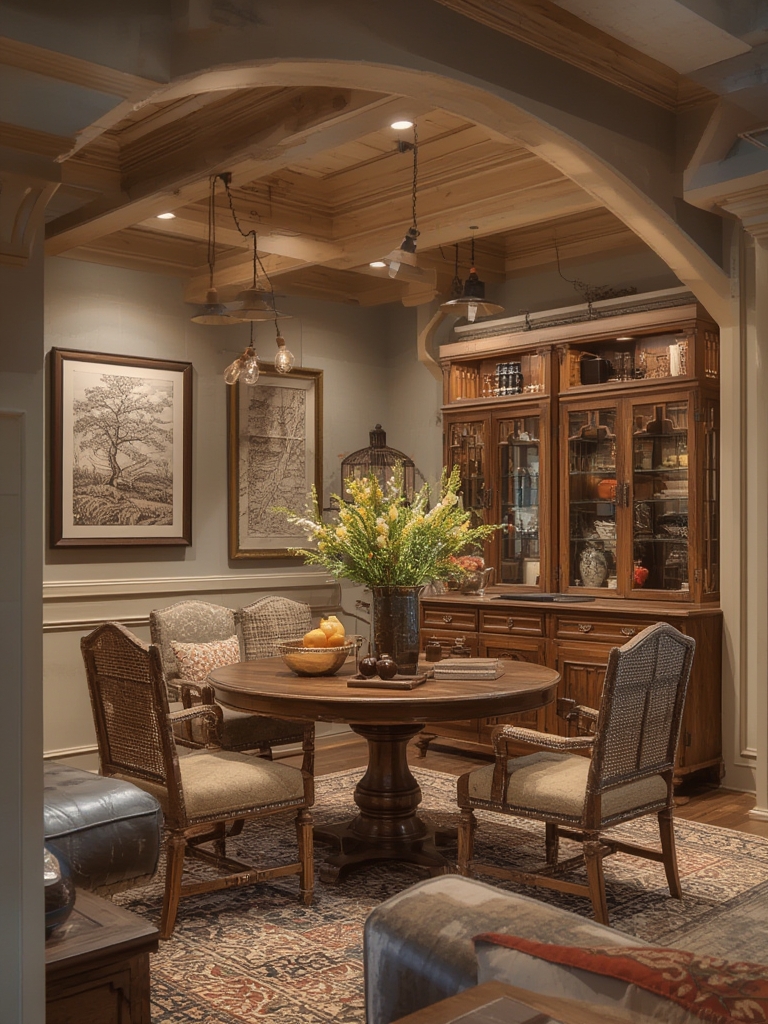
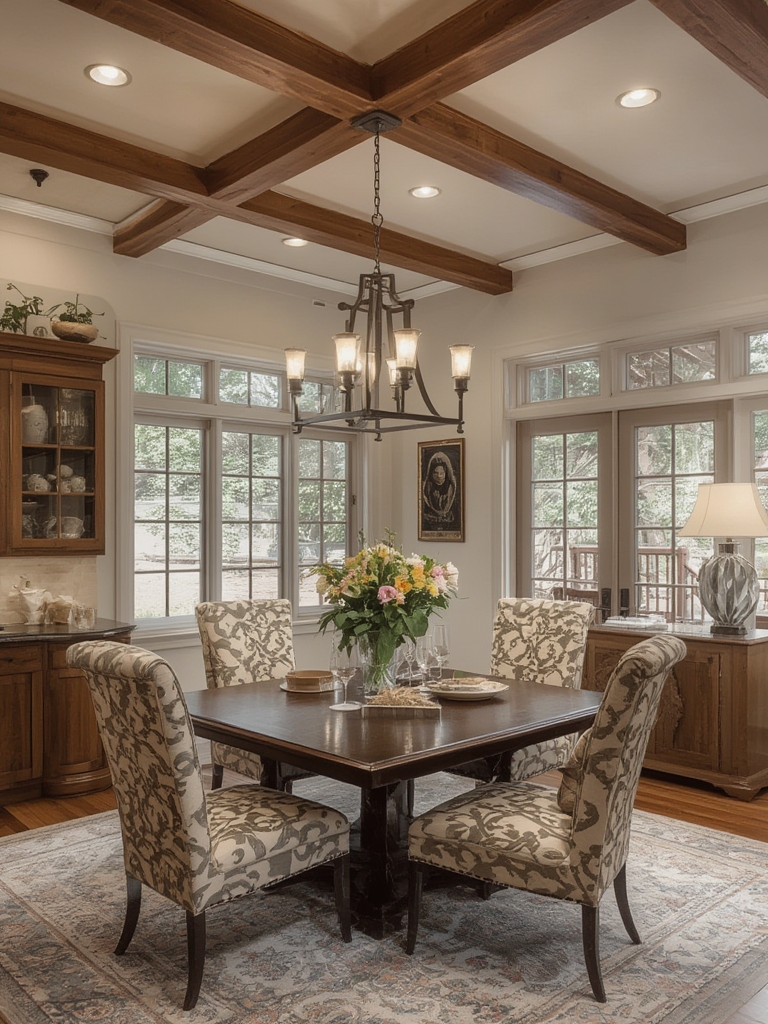
Craftsman‑style spotlights have become a subtle yet powerful way to bring the timeless elegance of the Arts and Crafts movement into modern homes. Their clean lines, natural materials, and emphasis on functional beauty make them perfect for highlighting architectural details, artwork, or cozy reading nooks. In this data‑driven guide, we’ll walk you through every step—from choosing the right fixture to installing it safely and maintaining its shine—so you can effortlessly integrate Craftsman spotlights into your décor and boost your home’s visual appeal (and SEO ranking).
Why Choose Craftsman‑Style Spotlights?
According to a recent Statista survey, 62% of homeowners who renovated their living spaces cited “architectural lighting” as a top priority. Craftsman spotlights answer that need by offering:
- Authentic design: Exposed hardware, brass or oil‑rubbed bronze finishes, and geometric shades echo the movement’s handcrafted aesthetic.
- Energy efficiency: Modern LED bulbs fit seamlessly into vintage‑style housings, delivering up to 80% less energy use.
- Versatility: From recessed ceiling mounts to adjustable wall sconces, they work in any room.
Step‑by‑Step Guide to Selecting the Perfect Craftsman Spotlights
1. Assess Your Space and Lighting Needs
Actionable tip: Measure the square footage of the room and note the focal points you want to accentuate (e.g., a fireplace, a gallery wall, or a reading chair). Use the Lighting Calculator to determine the required lumens: for ambient lighting aim for 10‑15 lumens per square foot, and add 30‑40 lumens per square foot for accent lighting.
2. Choose the Right Fixture Type
Three popular Craftsman spotlight options include:
- Recessed “can” lights: Ideal for clean ceilings and subtle illumination.
- Adjustable wall sconces: Perfect for highlighting artwork or architectural details.
- Track lighting with Craftsman‑style heads: Offers flexibility for multiple focal points.
Actionable tip: If you have a low ceiling (<8 ft), opt for low‑profile recessed cans to avoid a cramped feel.
3. Pick the Finish and Shade Material
Data from Houzz shows brass finishes are the most searched for Craftsman lighting (45% of queries). Choose between:
- Brass or oil‑rubbed bronze for a warm, historic look.
- Matte black or dark iron for a contemporary twist.
For shades, natural fibers (linen, burlap) or frosted glass diffuse light gently, preserving the Craftsman ethos of understated elegance.
4. Verify Compatibility with LED Bulbs
Most modern Craftsman spotlights are retro‑fitted for GU10 or E26 LED bases. Check the fixture’s wattage rating—aim for bulbs rated ≤10 W (≈800‑900 lumens) to stay energy‑efficient while delivering ample brightness.
Installation: Safe, SEO‑Friendly, and DIY‑Ready
1. Gather Tools and Materials
Before you start, assemble:
- Voltage tester
- Wire stripper
- Phillips and flat‑head screwdrivers
- Drywall saw (for recessed cans)
- LED bulbs (compatible with your fixture)
- Safety goggles and gloves
2. Turn Off Power at the Circuit Breaker
Safety first: Use a voltage tester to confirm the circuit is dead. This simple step reduces the risk of electric shock and keeps your installation compliant with the National Electrical Code (NEC).
3. Install Recessed Spotlights
- Mark the ceiling where you want the light, using a stud finder to avoid joists.
- Cut the opening with a drywall saw—keep the cut smooth for a flush fit.
- Feed the wiring through the opening, connect the black (hot) to the fixture’s black wire, white (neutral) to white, and ground to the green screw.
- Secure the housing with the provided clips, then attach the trim and shade.
- Insert the LED bulb, restore power, and test the light.
Pro tip: Use a smart dimmer switch compatible with LED to adjust brightness without flicker.
4. Mount Wall Sconces
- Locate studs or use wall anchors for secure mounting.
- Drill pilot holes, attach the mounting bracket, and run the wiring through the wall cavity.
- Connect wires as described above, then attach the fixture body.
- Hang the shade, screw in the bulb, and turn the power back on.
Pro tip: Angle the sconce’s arm 15‑20° toward the focal point for optimal accent lighting.
Maintenance: Keep Your Craftsman Spotlights Shining
1. Dust Regularly
Use a soft microfiber cloth or a low‑speed vacuum brush attachment to remove dust from the shade and housing every 2‑3 weeks. Dust buildup reduces light output by up to 15% (source: U.S. Department of Energy).
2. Replace Bulbs with the Same Color Temperature
For a warm, inviting ambiance, stick to 2700‑3000 K LEDs. Mixing temperatures can break the cohesive Craftsman feel.
3. Inspect Wiring Annually
Look for signs of wear, loose connections, or discoloration. If you notice any, turn off power and consult a licensed electrician.
4. Re‑finish Metal Parts When Needed
If brass or bronze finishes develop tarnish, gently polish with a non‑abrasive metal cleaner. Avoid harsh chemicals that can damage the protective coating.
Boosting SEO with Your Craftsman Spotlight Content
To ensure this post ranks well, incorporate these proven SEO tactics:
- Keyword placement: Use “Craftsman style spotlights,” “Arts and Crafts lighting,” and “vintage home décor” naturally in headings and the first 100 words.
- Internal linking: Link to related posts on “Craftsman furniture” or “DIY lighting projects” to increase dwell time.
- Schema markup: Add
ArticleandHowToschema to help search engines understand the step‑by‑step nature of the guide. - Image optimization: Include high‑resolution photos with descriptive
alttags (e.g., “Brass Craftsman recessed spotlight over a reading nook”).
Final Thoughts
Integrating Craftsman‑style spotlights into your home décor is more than a design choice—it’s a celebration of craftsmanship, functionality, and sustainable lighting. By following the data‑backed steps above, you’ll achieve a balanced, well‑lit space that honors the Arts and Crafts legacy while staying modern and energy‑efficient. Happy illuminating!