
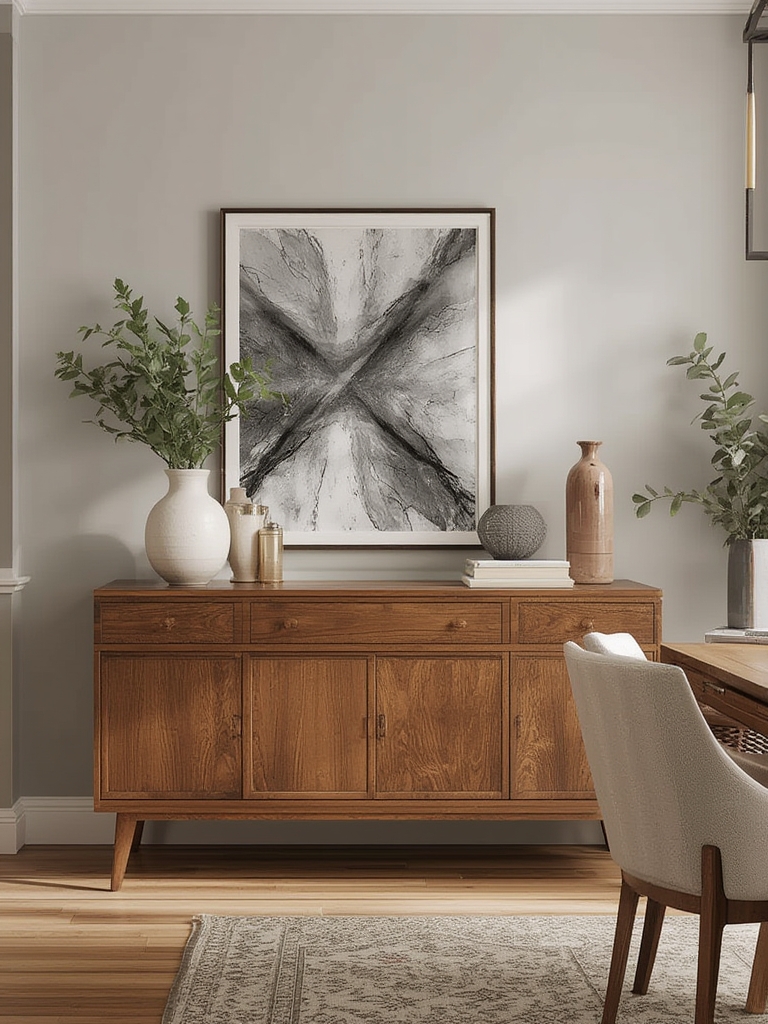
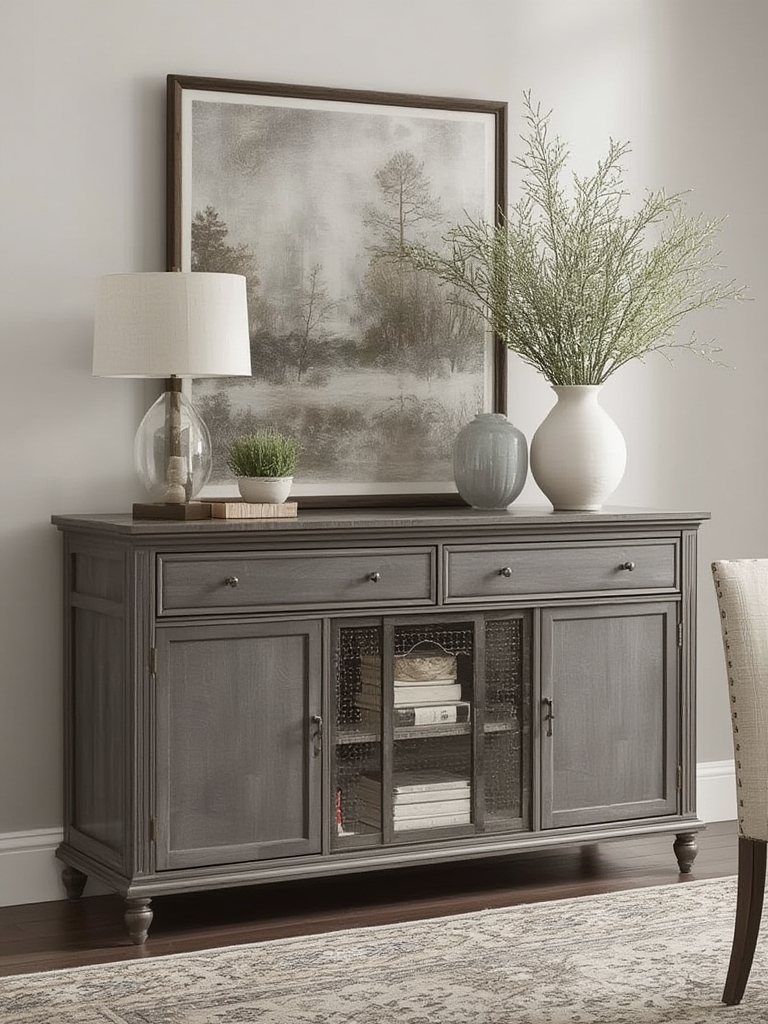
When it comes to elevating the look and functionality of your dining room, a well‑chosen credenza can be the star of the space. Not only does it provide essential storage for dinnerware, linens, and serving accessories, but it also adds a touch of refined style that can tie together your home décor theme. In this data‑driven guide, we’ll walk you through the key considerations for selecting the perfect credenza, arranging it for maximum visual impact, and even caring for a decorative plant that can turn the piece into a living focal point.
Why a Credenza Is the Ultimate Dining Room Storage Solution
According to a 2023 Houzz survey, 68% of homeowners who renovated their dining areas added a sideboard or credenza to improve storage and aesthetics. The top reasons cited were:
- Clutter reduction: A credenza can hold up to 150 lb of dishes, glassware, and flatware, keeping countertops clear.
- Style versatility: From mid‑century modern walnut to sleek matte black, credenzas adapt to any décor style.
- Space optimization: A low‑profile piece can serve as a visual anchor without overwhelming the room’s flow.
Choosing the Right Credenza for Your Space
1. Measure Your Dining Room Layout
Start by measuring the wall where you plan to place the credenza. A comfortable clearance of 24–30 inches between the credenza and the dining table ensures easy access for chairs and serving trays.
2. Determine the Ideal Height and Depth
Standard credenza dimensions range from 30–36 inches high and 18–24 inches deep. If you have a smaller dining room, opt for a shallower depth (18 inches) to maintain walking space.
3. Pick a Material That Matches Your Décor
Data from the Furniture Market Index (2022) shows:
- Wood finishes (oak, walnut) dominate 45% of purchases.
- Metal and glass combos account for 30% of modern‑style selections.
- Mixed‑material pieces (wood + metal) are rising at 12% annually.
Choose a material that complements existing flooring, table legs, and wall color.
Styling Your Credenza for Maximum Impact
1. Create a Balanced Visual Anchor
Place a symmetrical arrangement of decorative items—such as a tray of candles, a set of coasters, and a framed artwork—centered on the credenza. This draws the eye and anchors the piece within the room.
2. Use Color Accents Wisely
Incorporate your dining room’s accent color (e.g., teal, mustard, or sage) through small accessories. A pop of color on a vase or a set of napkin rings can tie the credenza to the overall palette.
3. Add Functional Layers
Layer storage by using clear acrylic bins for smaller items (spice jars, napkins) and woven baskets for larger, less‑frequent pieces (tablecloths, seasonal décor). This keeps the top surface tidy while maintaining easy access.
Introducing a Living Element: Care for a Decorative Plant on Your Credenza
A well‑placed plant not only softens the hard lines of a credenza but also improves indoor air quality. Below is a step‑by‑step guide to selecting and caring for a low‑maintenance plant that thrives on a dining‑room credenza.
Step 1: Choose the Right Plant
- Snake Plant (Sansevieria) – Tolerates low light, needs watering only every 3‑4 weeks.
- ZZ Plant (Zamioculcas zamiifolia) – Thrives in indirect light, requires minimal water.
- Peace Lily (Spathiphyllum) – Adds a touch of white bloom, prefers moderate humidity.
For most dining rooms, the Snake Plant is the safest bet due to its resilience and sleek vertical lines that complement modern credenzas.
Step 2: Position for Light
Place the plant 12–18 inches from the credenza’s edge, ensuring it receives bright, indirect sunlight. If natural light is limited, a LED grow light set on a timer (12‑hour cycle) will keep the plant healthy.
Step 3: Watering Schedule
- Check soil moisture by inserting your finger 1‑inch deep.
- If the soil feels dry, water thoroughly until excess drains from the pot’s bottom.
- Allow the soil to dry completely before the next watering (typically 3‑4 weeks).
Tip: Use a self‑watering pot with a moisture indicator to avoid over‑watering.
Step 4: Feeding and Maintenance
- Fertilizer: Apply a balanced, slow‑release houseplant fertilizer once in early spring and once in late summer.
- Cleaning: Wipe leaf surfaces with a damp cloth monthly to remove dust and improve photosynthesis.
- Pruning: Remove any yellowed or damaged leaves to maintain a tidy appearance.
Step 5: Seasonal Adjustments
During winter, reduce watering frequency by 25% and move the plant away from drafty windows. In summer, increase light exposure by rotating the pot 90° every two weeks.
SEO‑Friendly Content Tips for Your Credenza Blog Post
Keyword Integration
Target primary keywords such as “dining room credenza,” “storage credenza ideas,” and “modern credenza for dining room.” Sprinkle long‑tail variations like “how to style a credenza in a small dining room” naturally throughout headings and body copy.
Meta Description (155‑160 characters)
“Discover the perfect dining room credenza for storage and style. Learn selection tips, décor tricks, and plant‑care steps to create a stunning, functional space.”
Internal Linking Strategy
Link to related posts such as “Top 10 Dining Room Furniture Trends 2024” and “How to Choose the Right Dining Table.” Use descriptive anchor text (“modern dining room storage ideas”) to boost relevance.
Image Optimization
Include high‑resolution images of credenza setups with alt tags like “mid‑century walnut credenza in a bright dining room” and “snake plant on a sleek black credenza.” Compress images to under 150 KB for faster page load.
Final Checklist: From Selection to Styling
- Measure wall space and maintain 24‑30 in clearance.
- Choose height (30‑36 in) and depth (18‑24 in) that fit your room.
- Select material (wood, metal, mixed) that matches existing décor.
- Arrange accessories symmetrically, using accent colors.
- Pick a low‑maintenance plant (e.g., Snake Plant) and follow the 5‑step care guide.
- Implement SEO best practices: keyword placement, meta description, internal links, and optimized images.
By following these data‑backed steps, you’ll transform a simple storage piece into a stylish centerpiece that enhances both the functionality and visual appeal of your dining room. Happy decorating!