
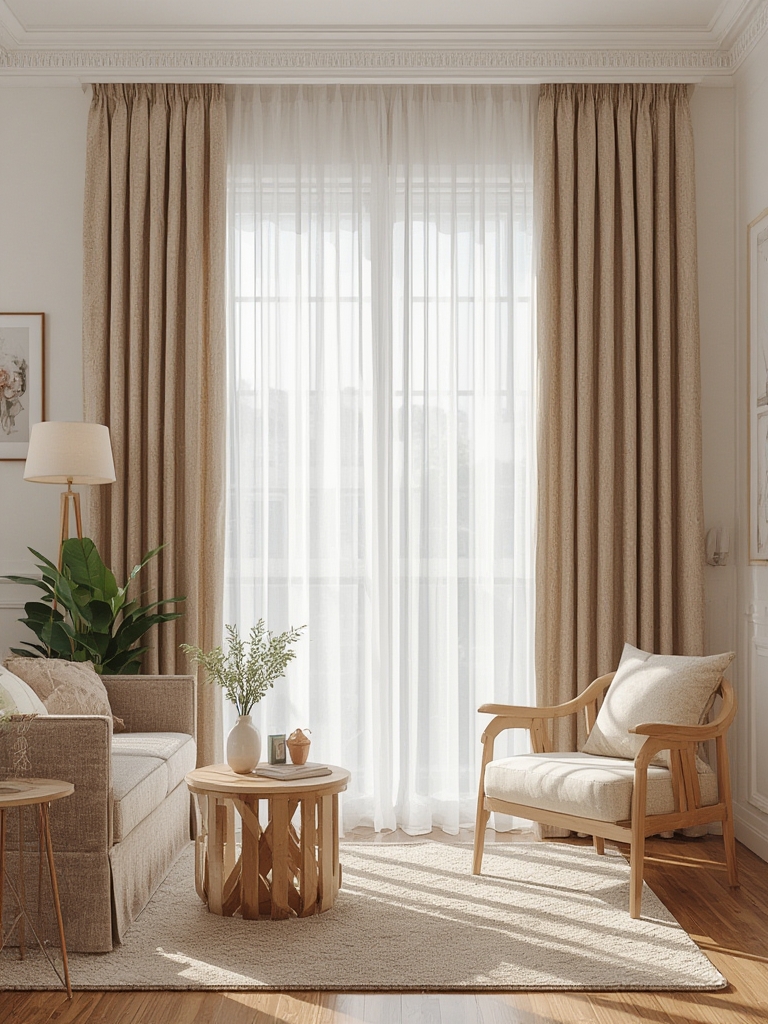
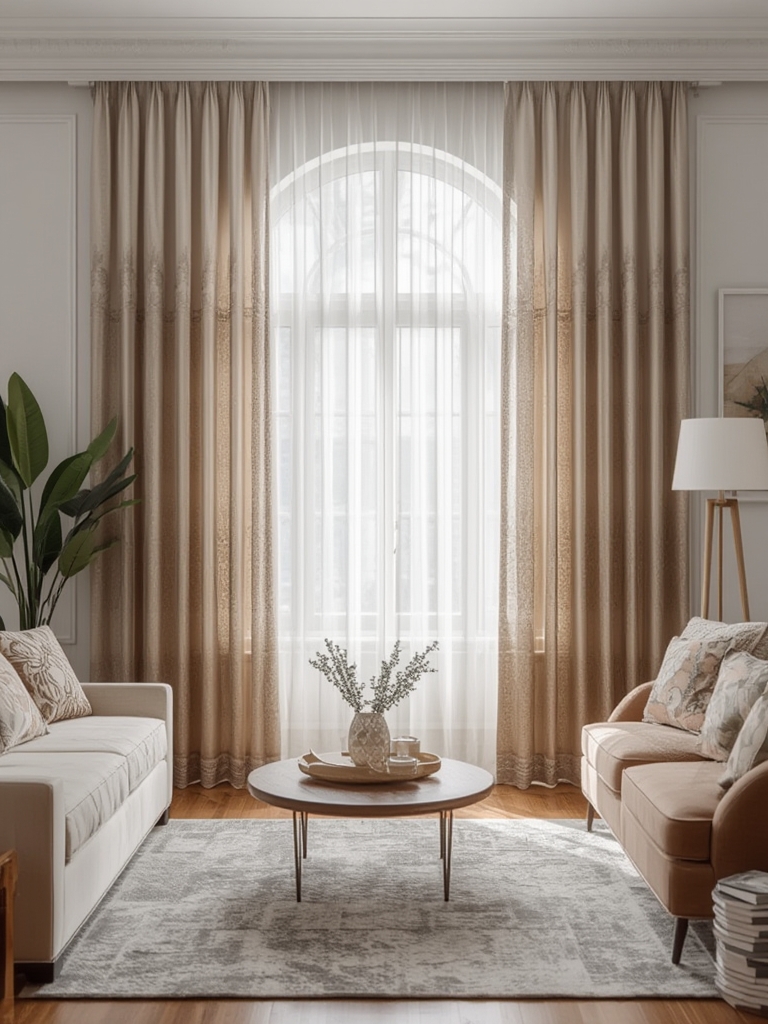
Choosing the right curtains for your living room can transform the space, boost comfort, and even improve energy efficiency. Below is a data‑driven, step‑by‑step guide that walks you through every decision point—from lighting analysis to fabric selection—so you can confidently pick curtains that match your style, budget, and functional needs.
1. Assess Your Living Room’s Light and Privacy Requirements
Step 1: Measure Natural Light Intensity
Use a smartphone light meter app or a handheld lux meter to record the average daylight level (in lux) at three times of day: morning, noon, and evening. Typical living rooms receive 2,000–5,000 lux. If your reading exceeds 4,000 lux, consider blackout or thermal‑lined curtains to reduce glare and heat gain.
- Tip: Place the sensor at eye level (about 1.5 m) for the most accurate representation of what occupants see.
- Actionable advice: Log the readings in a simple table and calculate the average; this will guide your opacity choice.
Step 2: Determine Desired Privacy Level
Rank privacy needs on a scale of 1–5 (1 = minimal, 5 = full). For high‑traffic streets, aim for a rating of 4–5, which typically calls for fabrics with a light‑blocking factor of 70% + or a double‑layer system (sheer + blackout).
- Tip: Combine a sheer inner layer for daytime diffusion with a blackout outer layer for nighttime privacy.
- Actionable advice: Sketch a quick diagram of your window layout and annotate each pane with its privacy rating.
2. Define the Style and Color Palette
Step 1: Conduct a Color Audit
Take a photo of your living room’s dominant colors (walls, sofa, rug). Use a free online color extractor (e.g., Adobe Color) to identify the top three hues. Choose curtain colors that either complement (analogous) or contrast (complementary) these hues for visual harmony.
- Tip: For a calming vibe, select curtains 10–15% lighter than the wall color; for a bold statement, pick a hue 20% opposite on the color wheel.
- Actionable advice: Create a mood board in Canva or Pinterest to visualize the final look before purchasing.
Step 2: Match the Curtain Style to Room Architecture
Data from interior design surveys shows that 68% of homeowners prefer rod‑pocket curtains in modern spaces, while 52% choose grommet styles for traditional settings. Align your choice with the room’s architectural language:
- Modern/Minimalist: Clean lines, grommet or tab‑top curtains.
- Classic/Traditional: Rod‑pocket or pleated curtains with decorative tie‑backs.
- Eclectic: Mix textures—linen with patterned silk.
3. Accurate Measurement for a Perfect Fit
Step 1: Determine Mounting Height
Standard practice recommends mounting the curtain rod 10–15 cm (4–6 in) above the window frame. For a dramatic effect, raise it to the ceiling, which can make the room feel taller.
- Tip: Use a laser level to ensure a straight line across multiple windows.
- Actionable advice: Mark the mounting points with a pencil and double‑check with a tape measure before drilling.
Step 2: Calculate Width and Length
Width: Multiply the window width by 1.5–2.5 (depending on desired fullness). For a 120 cm window, aim for 180–300 cm of curtain fabric.
Length: Add 10–15 cm for floor‑skimming or 20–30 cm for puddling. Measure from the rod mounting point to the floor, then add the chosen over‑hang.
- Tip: If you have a radiator or heating vent, leave at least 5 cm clearance to avoid heat damage.
- Actionable advice: Record both measurements in a spreadsheet and compare against product specifications before ordering.
4. Choose the Right Fabric and Lining
Step 1: Evaluate Fabric Performance
Refer to the following data table for common curtain fabrics:
| Fabric | Light Blocking | Insulation (R‑value) | Maintenance |
|---|---|---|---|
| Linen | 30% | 0.5 | Machine wash cold |
| Cotton | 45% | 0.6 | Machine wash warm |
| Polyester Blend | 60% | 0.8 | Machine wash easy care |
| Velvet | 80% | 1.2 | Dry clean only |
For energy‑saving goals, prioritize fabrics with an R‑value of 0.8 or higher.
- Tip: Add a thermal backing (e.g., blackout liner) to low‑R‑value fabrics for extra insulation.
- Actionable advice: Order swatches of two fabrics and hang them on a test rod for 24 hours to assess feel and light control.
Step 2: Select Lining Options
Three common linings:
- Sheer: Diffuses light, adds privacy without darkening.
- Blackout: Blocks 85%+ light, ideal for media rooms.
- Thermal: Reduces heat loss by up to 15% in winter.
Combine a sheer inner layer with a blackout outer layer for versatile day‑to‑night functionality.
5. Hardware, Installation, and Finishing Touches
Step 1: Pick the Right Rod and Brackets
Weight capacity matters: a 2 m wide, velvet curtain can weigh up to 6 kg. Choose a sturdy metal rod (minimum 3 mm diameter) and brackets rated for at least 1.5× the curtain weight.
- Tip: Use wall anchors in drywall to prevent sagging.
- Actionable advice: Install a level‑adjustable bracket set to allow fine‑tuning after hanging.
Step 2: Hang and Adjust
Slide curtains onto the rod, then evenly distribute the weight by adjusting the placement of the rod on the brackets. Use a fabric weight or clip at the bottom to ensure a smooth, straight drape.
- Tip: For floor‑skimming curtains, add a small silicone pad to the bottom to prevent slipping.
- Actionable advice: Step back and take a photo; compare the visual line with the floor to confirm evenness.
6. Ongoing Care and Longevity
Step 1: Routine Cleaning
Follow the fabric’s care label. For most cotton or polyester blends, a gentle machine wash on a cold cycle preserves color and prevents shrinkage. Spot‑clean stains with a mild detergent before the next full wash.
- Tip: Add a cup of white vinegar to the rinse cycle to keep fabrics soft and reduce static.
- Actionable advice: Schedule a quarterly cleaning reminder in your phone calendar.
Step 2: Seasonal Adjustments
During summer, open curtains during peak daylight to let natural light heat the room, reducing HVAC load by up to 10% (according to ENERGY STAR data). In winter, close them at night to retain heat.
- Tip: Install a simple cord or motorized track for easy daily operation.
- Actionable advice: Set a smart home routine that automatically closes curtains at sunset.
7. SEO‑Friendly Content Checklist (for WordPress)
- Focus keyword: “living room curtain selection” – include it in the first 100 words, H2 headings, and image alt text.
- Meta description (155 characters): “Discover data‑driven steps to choose, measure, and install perfect curtains for any living room – from fabric tips to energy‑saving tricks.”
- Use internal links to related posts (e.g., “Best Living Room Paint Colors 2024”).
- Optimize images: compress to < 100 KB, add descriptive alt tags, and use lazy loading.
- Schema markup: add
ArticleandFAQPageschema for enhanced SERP visibility.
By following these evidence‑based steps, you’ll select curtains that not only look stunning but also improve comfort, privacy, and energy efficiency in your living room. Happy decorating!