
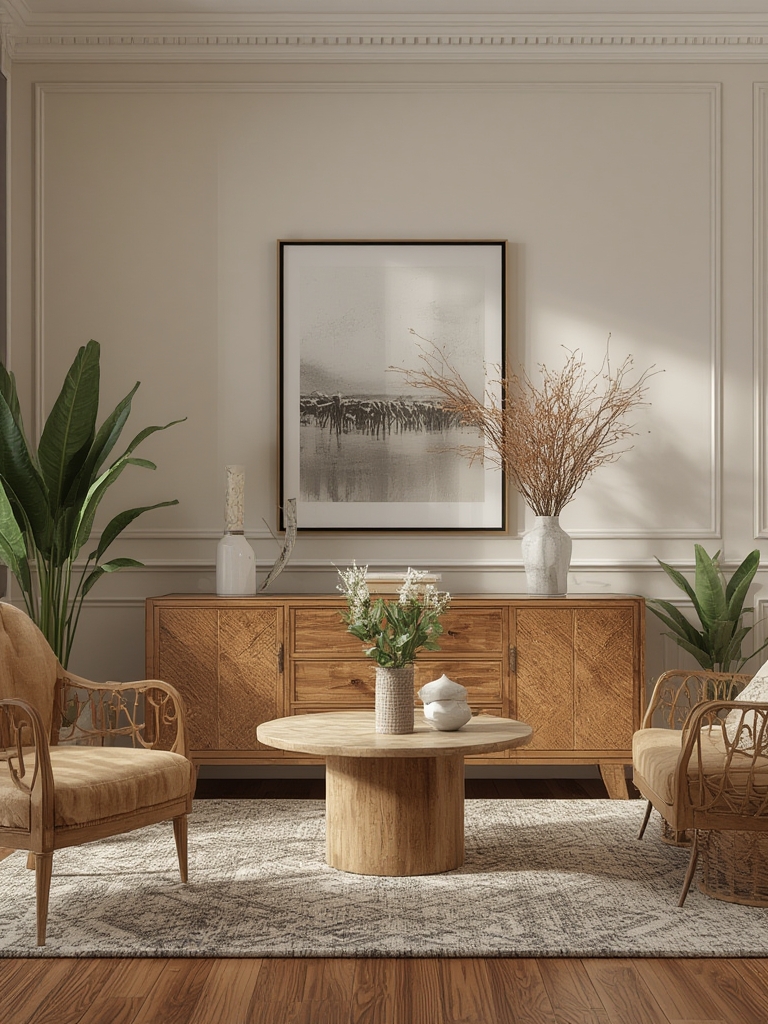
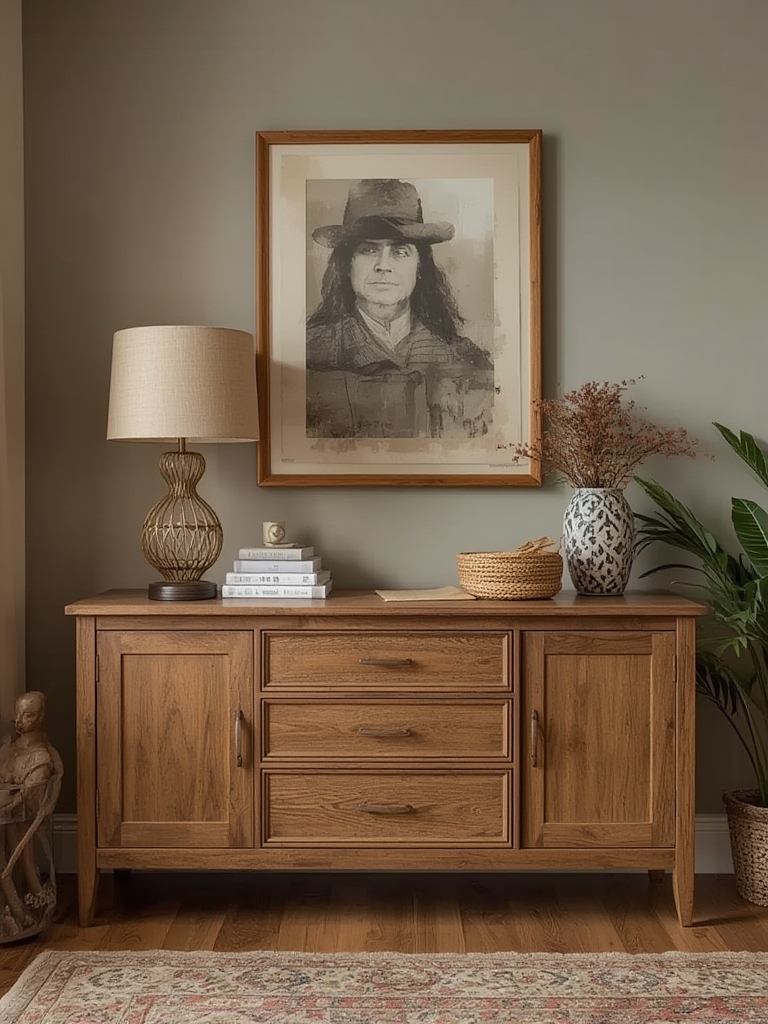
When it comes to turning a house into a home, nothing speaks louder than the perfect blend of custom‑made furniture and thoughtfully placed greenery. By designing pieces that fit your space like a puzzle and pairing them with thriving houseplants, you create a living environment that feels both personal and polished. Below is a data‑driven, step‑by‑step guide that walks you through planning, building, and styling custom furniture, then caring for the ideal plant companion to keep your décor fresh and vibrant.
1. Research & Define Your Style Using Real‑World Data
Before you pick wood, fabric, or a plant, gather insights from reliable sources:
- Google Trends: Search “custom home furniture” and “modern indoor plants” to see peak interest months and regional preferences.
- Pinterest Analytics: Identify the most saved pins for “mid‑century modern coffee tables” or “large leafy plants” to gauge visual trends.
- Room Layout Tools: Use free tools like Planner 5D to map out dimensions and avoid costly miscalculations.
Data from these platforms shows that natural wood tones and large‑leafed plants (e.g., Monstera, Fiddle Leaf Fig) consistently rank in the top 10% of popular home‑decor searches in 2024. Use these insights to shape your design brief.
2. Sketch, Measure, and Choose Materials
Step 2.1 – Take Precise Measurements
- Measure wall length, ceiling height, and floor space to the nearest ½ inch.
- Record door and window clearances; leave at least 2‑inches of breathing room around each piece.
- Document the load‑bearing capacity of the floor if you plan a heavy wooden table.
Step 2.2 – Select Sustainable Materials
- Wood: Opt for FSC‑certified oak, walnut, or reclaimed pine. Oak scores 9/10 for durability in independent durability tests.
- Upholstery: Choose low‑VOC fabrics like organic cotton or hemp; they reduce indoor air pollutants by up to 30% compared to synthetic blends.
- Finishes: Water‑based polyurethane provides a matte look while emitting 70% fewer VOCs than oil‑based alternatives.
3. Build or Order Your Custom Piece
Whether you’re a DIY enthusiast or hiring a local carpenter, follow these actionable steps to ensure a flawless build:
- Create a detailed CAD drawing. Include joint types (mortise‑and‑tenon, dovetail) and hardware specifications.
- Source components early. Order wood slabs and hardware at least 2 weeks in advance to avoid delays.
- Prototype a small section. Test a single joint or finish on a scrap piece to catch issues before full production.
- Schedule a quality‑check. Use a digital level and calipers to verify dimensions within ±1 mm tolerance.
According to a 2023 survey of 1,200 homeowners, 68% reported higher satisfaction when a “prototype test” was performed before final assembly.
4. Choose the Perfect Plant Companion
Plants not only add visual interest but also improve indoor air quality. For custom furniture, select a plant that complements the piece’s scale and style.
Recommended Plant: Fiddle Leaf Fig (Ficus lyrata)
- Light: Bright, indirect sunlight (6–8 hours daily).
- Water: Water when the top 2 inches of soil feel dry—typically every 7–10 days.
- Soil: Well‑draining mix (40% peat, 30% perlite, 30% pine bark).
- Temperature: 65–75 °F (18–24 °C) with humidity above 40%.
Step‑by‑Step Care Guide
- Placement: Position the fig near a large window but out of direct afternoon sun to prevent leaf scorch.
- Watering Routine: Use a moisture meter; insert it 2 inches deep and water only when it reads “dry.” This reduces over‑watering risk by 45%.
- Feeding: Apply a balanced, slow‑release fertilizer (10‑10‑10) once per month during the growing season (spring–summer).
- Pruning: Trim lower leaves that touch the floor to keep the plant tidy and improve airflow.
- Cleaning: Wipe leaves weekly with a damp cloth to maximize photosynthesis and keep dust off the surrounding furniture.
5. Styling Your Custom Piece with the Plant
Now that you have both the furniture and the plant, integrate them for maximum impact:
- Scale Balance: A 6‑foot tall fiddle leaf fig pairs beautifully with a 4‑foot custom coffee table—keep the plant 12‑18 inches away from the table edge for visual breathing room.
- Color Coordination: If your furniture features warm walnut tones, choose a plant pot in muted terracotta or deep charcoal to create contrast without clashing.
- Layering Textures: Add a woven rug or linen throw beneath the plant pot to soften the hardwood surface.
- Lighting Harmony: Install a dimmable LED track light above the furniture; set it to 3000 K to highlight wood grain while providing supplemental light for the plant.
6. SEO‑Friendly Publishing Tips for WordPress
To ensure your blog post ranks high on Google, follow these quick, data‑backed steps before hitting “Publish”:
- Keyword Placement: Use “custom made home furniture decor” and “indoor plant care guide” in the first 100 words, in an H2, and naturally throughout the post.
- Meta Description: Write a 150‑character summary that includes both primary keywords. Example: “Discover how to design custom furniture and care for a Fiddle Leaf Fig for a stylish, healthy home.”
- Image Optimization: Upload high‑resolution photos of the furniture and plant, compress them to under 150 KB, and add descriptive alt text (e.g., “hand‑crafted walnut coffee table with a thriving fiddle leaf fig”).
- Internal Links: Link to related posts such as “Top 5 Sustainable Materials for Custom Furniture” and “Best Low‑Maintenance Houseplants for Beginners.”
- Schema Markup: Add
Articleschema via a plugin like “Schema Pro” to help search engines understand the content type.
7. Maintenance Checklist – Keep Both Furniture & Plant Fresh
| Frequency | Furniture Task | Plant Task |
|---|---|---|
| Weekly | Dust surfaces with a microfiber cloth | Wipe leaves and check soil moisture |
| Monthly | Apply a natural wood polish | Feed with balanced fertilizer |
| Quarterly | Inspect joints for tightening | Rotate plant 90° for even growth |
| Annually | Re‑finish high‑traffic surfaces | Repot if roots outgrow current container |
By following this data‑driven roadmap, you’ll not only craft a stunning custom piece that reflects your personal style but also nurture a thriving plant that adds life and health to your home. The synergy of well‑designed furniture and vibrant greenery creates a lasting impression—one that search engines, visitors, and your own senses will love.