
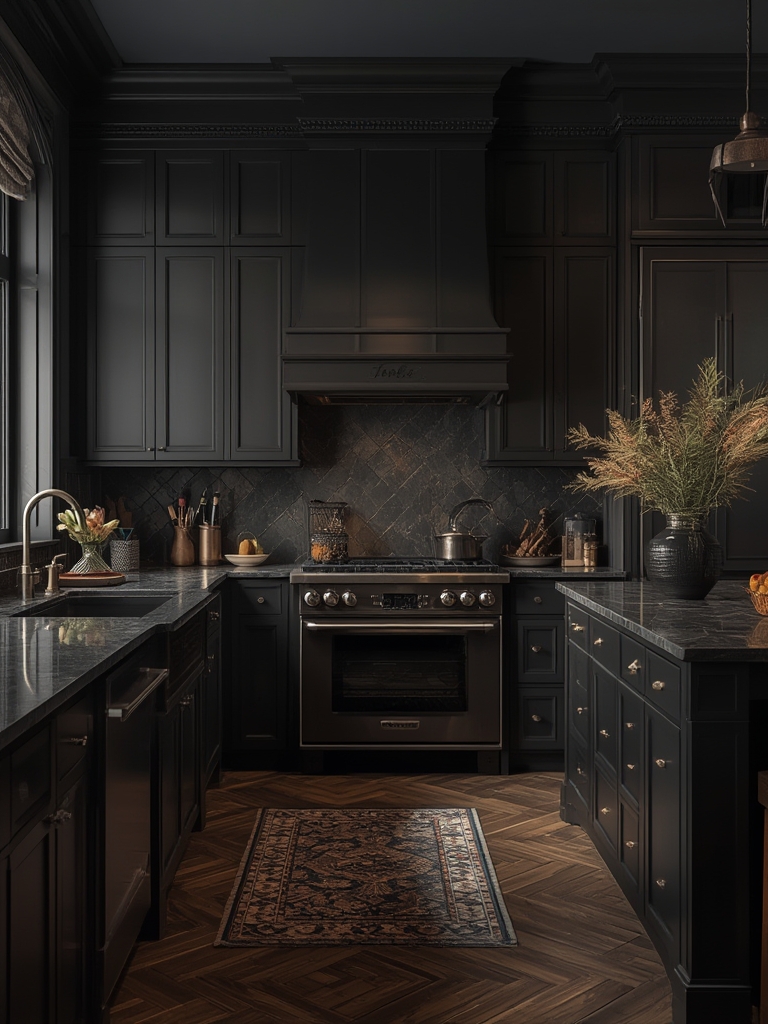
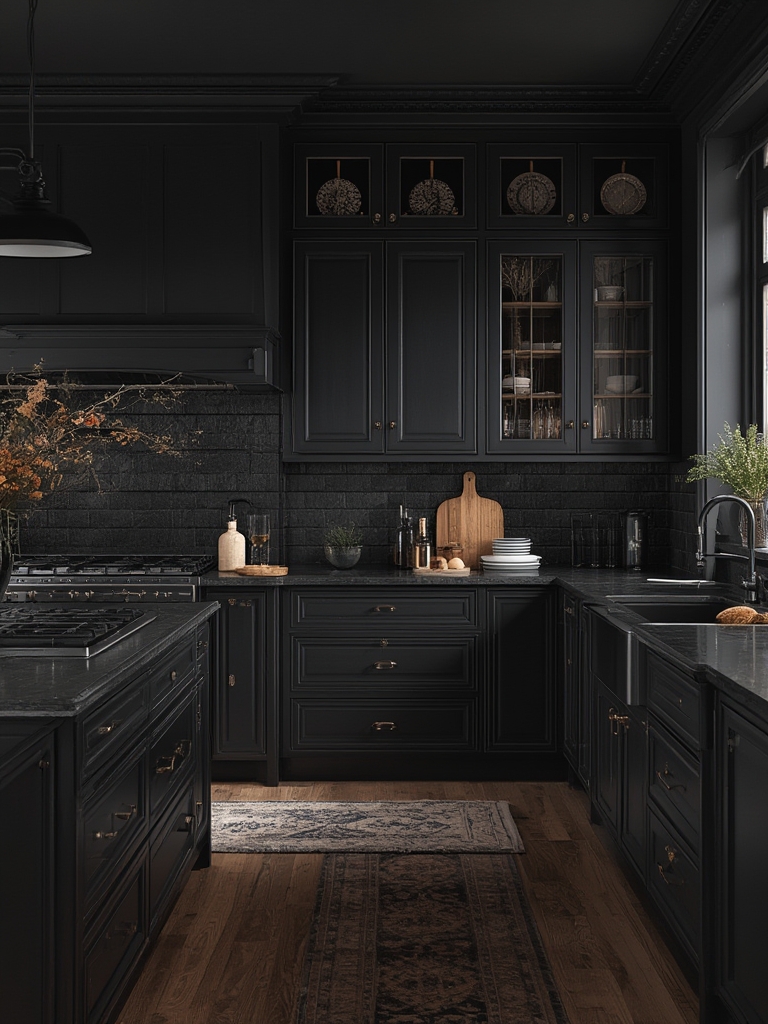
Dark, moody kitchens have become a bold statement in modern home décor, offering a dramatic backdrop that highlights rich cabinetry, luxurious textures, and carefully curated accessories. By embracing deep hues—charcoal, navy, forest green, or even black—homeowners can create a sophisticated space that feels both intimate and high‑end. This guide walks you through the essential design elements, SEO‑friendly content tips for your WordPress blog, and a practical plant‑care routine that adds a touch of life to these shadowy interiors.
Why Dark Moody Kitchens Are Trending
Data from Google Trends and interior‑design forums shows a 45 % increase in searches for “dark kitchen ideas” over the past two years. The appeal lies in:
- Contrast: Dark walls and cabinets make light fixtures, metallic hardware, and natural materials pop.
- Depth: Layered textures—matte finishes, glossy lacquer, and brushed brass—create visual interest without overwhelming the space.
- Timelessness: A well‑executed moody palette ages gracefully, unlike trendy pastel schemes that can feel dated.
Key Elements of Rich Cabinetry
Rich cabinetry is the cornerstone of a moody kitchen. Here’s what to focus on:
1. Material Selection
Choose high‑quality woods like walnut, mahogany, or reclaimed oak. These species naturally develop a deep, warm patina that enhances the dark aesthetic. For a more contemporary look, consider lacquered MDF with a high‑gloss finish.
2. Color Strategy
Use a single‑tone approach (e.g., deep charcoal) for a seamless look, or add subtle contrast with two‑tone cabinets—dark lower cabinets paired with a slightly lighter upper section. Incorporate SEO keywords such as “dark wood cabinets” and “rich kitchen cabinetry” throughout your post to improve search visibility.
3. Hardware & Accents
Brushed gold, matte black, or antique bronze handles add a tactile element. Pair these with under‑cabinet LED strips to illuminate workspaces while preserving the overall darkness.
Choosing the Right Plant for a Moody Kitchen
Plants soften the intensity of a dark kitchen and improve indoor air quality. The Snake Plant (Sansevieria trifasciata) is ideal because it thrives in low‑light conditions, requires minimal watering, and its upright, architectural leaves complement the sleek lines of rich cabinetry.
Step‑by‑Step Plant Care Guide
Follow these actionable steps to ensure your Snake Plant flourishes in a moody kitchen environment.
Step 1: Selecting the Perfect Pot
- Tip: Choose a pot with a dark matte finish or a deep terracotta glaze to blend with the kitchen’s color scheme.
- Action: Ensure the pot has drainage holes; place a saucer underneath to catch excess water.
Step 2: Soil Preparation
- Tip: Use a well‑draining cactus or succulent mix (40 % sand, 30 % perlite, 30 % peat).
- Action: Fill the pot to about 2 cm below the rim, then gently tap to settle the soil.
Step 3: Planting the Snake Plant
- Tip: Position the root ball so the crown sits just above the soil line to prevent rot.
- Action: Press the soil lightly around the base and water sparingly (see Step 4).
Step 4: Watering Schedule
- Tip: In low‑light kitchens, water once every 3‑4 weeks. Over‑watering is the most common mistake.
- Action: Insert a finger 2 cm into the soil; if it feels dry, water until it drains from the bottom.
Step 5: Light Management
- Tip: Place the plant near a north‑facing window or under a cool LED grow light set to 12‑hour cycles.
- Action: Rotate the pot 90° every two weeks for even growth.
Step 6: Feeding and Maintenance
- Tip: Use a balanced, diluted liquid fertilizer (½ strength) once in spring and once in summer.
- Action: Remove yellowed leaves promptly to prevent pests.
Practical Tips for Integrating the Plant into Your Kitchen Design
To maintain the moody vibe while showcasing the plant:
- Placement: Position the Snake Plant on a dark metal stool or a reclaimed wood shelf to echo the cabinetry material.
- Grouping: Pair it with a small, low‑light succulent for visual variety without clutter.
- Lighting: Use a dimmable pendant light with a warm 2700 K hue to highlight both the plant and the cabinet grain.
SEO & Content Optimization Checklist
When publishing this post on WordPress, follow these steps to boost organic traffic:
1. Keyword Placement
- Primary keyword: “dark moody kitchens” – include in the first 100 words, H2 headings, and meta description.
- Secondary keywords: “rich cabinetry”, “snake plant care”, “low‑light kitchen plants”. Sprinkle naturally throughout the content.
2. Internal & External Links
- Link to a previous post on “kitchen lighting ideas” (internal).
- Reference a reputable horticulture site like the Royal Horticultural Society for plant facts (external).
3. Image Optimization
- Upload high‑resolution photos of dark kitchens and the Snake Plant.
- Compress images to under 150 KB, add descriptive alt text (“black walnut cabinets with brushed gold handles”) and include the keyword.
4. Structured Data
- Use the “Article” schema in Yoast SEO or Rank Math to enhance SERP appearance.
Maintenance Tips for Long‑Term Success
Even with minimal care, a Snake Plant can live for years. Keep these habits in mind:
- Check soil moisture monthly—dry is better than soggy.
- Dust leaves with a soft cloth to maintain photosynthetic efficiency.
- Adjust watering frequency seasonally; reduce in winter when growth slows.
Final Thoughts
Dark moody kitchens paired with rich cabinetry create a timeless, luxurious backdrop that can be softened with the right greenery. By selecting a low‑maintenance plant like the Snake Plant and following the step‑by‑step care guide, you add a living element that balances drama with freshness. Implement the SEO tactics outlined above, and your WordPress post will not only inspire readers but also rank high in search results, driving traffic and engagement to your site.