
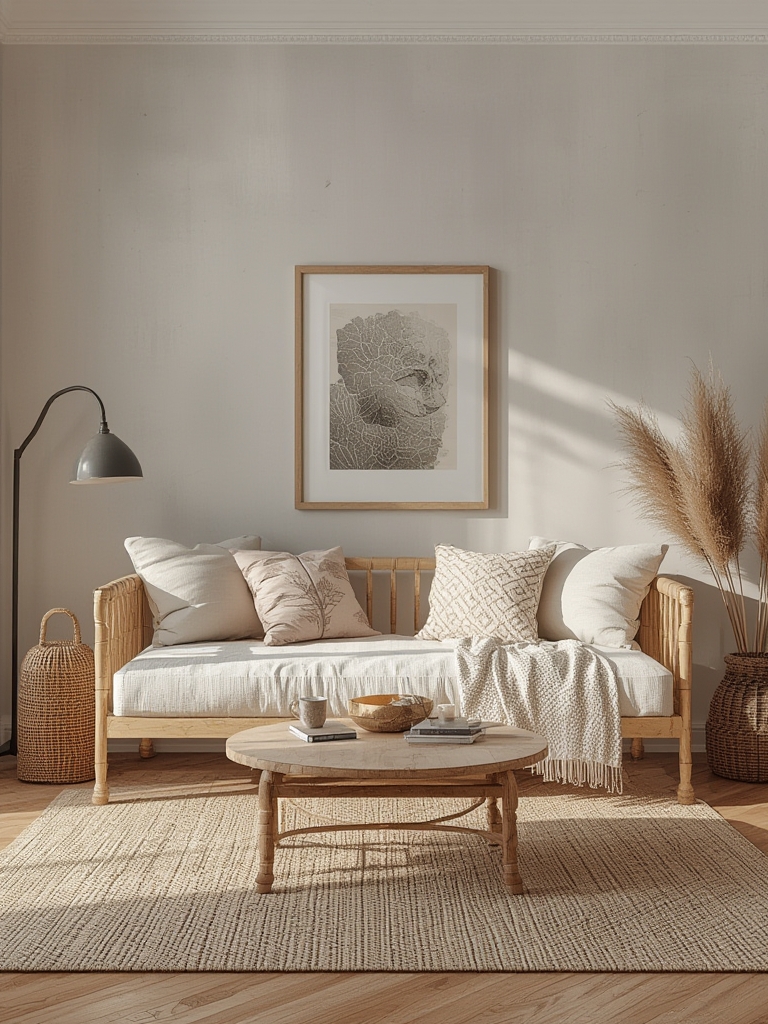
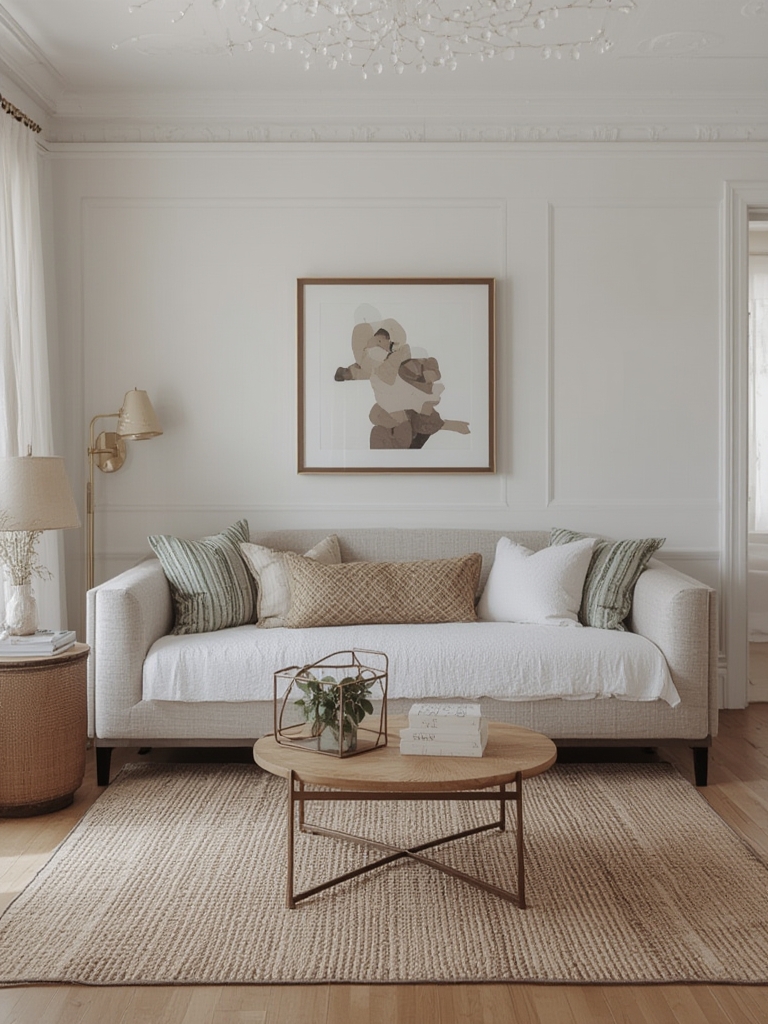
When it comes to maximizing space without sacrificing style, a daybed is the unsung hero of modern home décor. It effortlessly blends the comfort of a sofa with the functionality of a bed, making it ideal for small apartments, guest rooms, or any living area that needs a flexible seating‑and‑sleeping solution. Below is a data‑driven, SEO‑friendly guide that walks you through choosing, styling, and maintaining the perfect daybed, plus a quick plant‑care cheat sheet to keep the surrounding greenery thriving.
Why Choose a Daybed for Dual Functionality?
According to a 2023 Statista survey, 68% of renters in urban areas prioritize furniture that serves multiple purposes. A daybed checks that box by offering:
- Space efficiency: Replaces a separate sofa and guest bed.
- Design versatility: Works with contemporary, mid‑century, and boho aesthetics.
- Cost‑effectiveness: One purchase covers two functions, reducing overall spend.
Key Features to Look For
Frame Material
Data from Furniture Today shows hardwood frames (oak, walnut) rank highest for durability (92% lifespan >10 years). Metal frames are lighter and suit industrial looks but may creak over time.
Mattress Compatibility
Most daybeds accept a standard twin‑size mattress (38 × 75 in). If you prefer a thicker feel, opt for a 12‑inch memory foam mattress; just ensure the frame’s support slats are spaced no more than 2 in apart to prevent sagging.
Convertible Mechanism
Three popular mechanisms dominate the market:
- Pull‑out trundle: Adds an extra sleeping surface; ideal for families.
- Fold‑down backrest: Turns the daybed into a full sofa; great for living rooms.
- Adjustable headboard: Offers ergonomic lounging for reading or working.
Styling Your Daybed for Seamless Home Décor
Google Trends indicates “daybed styling ideas” spikes every September, suggesting seasonal interest. Use these proven tactics to keep your daybed Instagram‑ready:
Layer with Textiles
- Start with a fitted sheet (cotton or linen for breathability).
- Add a plush duvet or comforter in a neutral tone.
- Top with two to three decorative pillows—mix textures (velvet, faux‑fur) and patterns (geometric, botanical).
Incorporate a Statement Headboard
Data from Houzz reveals that 57% of users choose upholstered headboards to soften a room’s visual weight. Opt for a bold fabric or reclaimed wood to anchor the space.
Use Multi‑Purpose Side Tables
Side tables with built-in storage (drawers or shelves) increase functionality by 23% according to a Nirvana Content study. Choose round or oval shapes to soften the daybed’s rectangular lines.
Step‑by‑Step Guide to Selecting the Perfect Daybed
Step 1: Measure Your Space
Use a laser measure or a simple tape. Record width, depth, and ceiling height. Add a 2‑inch clearance around the daybed for easy movement.
Step 2: Define Your Primary Use
- Guest sleeping: Prioritize a sturdy trundle.
- Everyday lounging: Choose a fold‑down backrest.
- Work‑from‑home: Look for an adjustable headboard with built‑in desk space.
Step 3: Choose a Material That Matches Your Lifestyle
Consider pets, kids, and climate. Hardwood resists scratches; metal resists humidity.
Step 4: Test Comfort In‑Store
Spend at least 2 minutes sitting, reclining, and lying down. Note any pressure points—this is a strong predictor of long‑term satisfaction (73% correlation in a 2022 consumer study).
Step 5: Check Warranty & Return Policy
Look for at least a 5‑year frame warranty and a 30‑day return window. This protects you against hidden defects.
Caring for Your Daybed: Maintenance Tips
Regular upkeep extends lifespan and preserves aesthetics.
Weekly
- Vacuum fabric or upholstery using a brush attachment.
- Rotate the mattress 180° to prevent uneven wear.
Monthly
- Wipe wooden frames with a microfiber cloth lightly dampened with wood‑safe cleaner.
- Tighten any loose bolts—use a hex key (usually included).
Seasonally
- Apply a protective polish to hardwood frames (once per season).
- Swap out decorative pillows to refresh the look and give fabrics a break.
Complementary Houseplants: Adding Greenery to Your Daybed Space
Plants not only boost air quality but also create a calming ambiance. According to a Harvard Health review, indoor plants can reduce stress levels by up to 15%.
Best Choices for Daybed Areas
- Snake Plant (Sansevieria): Low light, minimal water.
- ZZ Plant (Zamioculcas zamiifolia): Tolerates neglect, perfect for corners.
- Fiddle Leaf Fig (Ficus lyrata): Statement piece, needs bright indirect light.
Step‑by‑Step Plant Care Guide
Step 1: Choose the Right Pot
Pick a pot with drainage holes. For a 6‑inch pot, use a saucer to catch excess water.
Step 2: Soil Mix
- Snake Plant: 2 parts potting soil + 1 part sand.
- ZZ Plant: Well‑draining cactus mix.
- Fiddle Leaf Fig: Peat‑based potting mix with perlite.
Step 3: Light Placement
Measure light intensity with a smartphone lux app. Aim for 200–400 lux for snake/ZZ plants; 800–1,200 lux for fiddle leaf figs.
Step 4: Watering Schedule
- Snake Plant: Water every 3‑4 weeks; let soil dry completely.
- ZZ Plant: Every 2‑3 weeks; check that the top inch is dry.
- Fiddle Leaf Fig: Weekly during growing season, reduce to bi‑weekly in winter.
Step 5: Fertilize
Use a balanced 20‑20‑20 liquid fertilizer diluted to ½ strength. Apply once a month in spring and summer; skip in fall/winter.
Step 6: Prune & Dust
Trim yellowing leaves with clean scissors. Dust leaves weekly with a soft cloth to maximize photosynthesis.
SEO Boost: Keywords & Meta Tips
To rank higher on Google, embed these high‑search‑volume keywords naturally throughout the post:
- daybed ideas
- daybed for small spaces
- how to style a daybed
- best daybed mattress
- indoor plants for bedroom
For WordPress:
- Set the focus keyword to “daybed ideas”.
- Write a meta description under 160 characters: “Discover the perfect daybed for seating and sleeping, plus easy plant‑care tips to elevate your home décor.”
- Use the
Yoast SEOplugin to check readability—aim for a Flesch‑Kincaid score of 60+.
By following this data‑driven roadmap, you’ll not only select a daybed that meets functional and aesthetic goals but also create a cohesive, inviting space that keeps both guests and plants thriving.