
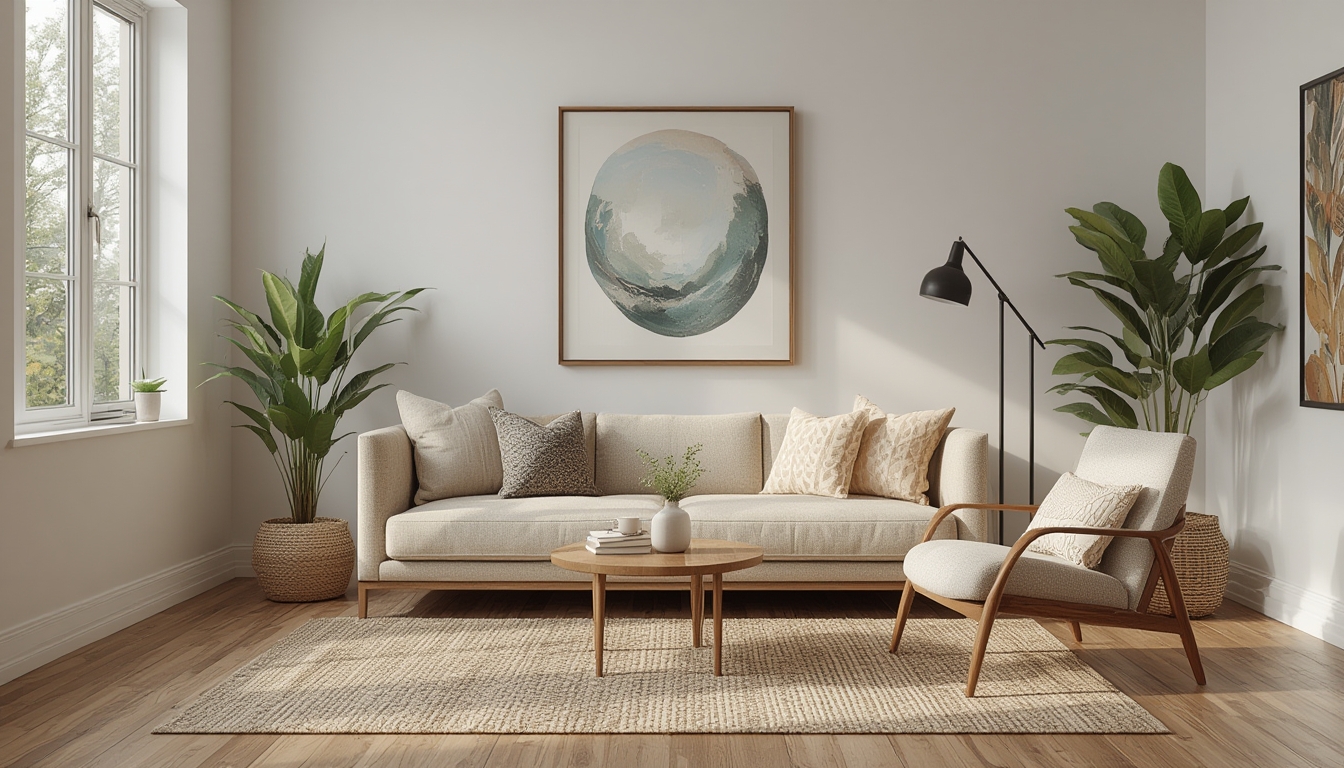

When we think about decorating a space, we often focus on aesthetics—color palettes, furniture styles, and accessories. Yet, every element we choose carries psychological weight that can either boost or drain our well‑being. Understanding decor psychology allows us to intentionally craft environments that nurture calm, focus, and happiness. Below is a data‑driven, step‑by‑step guide to styling a “wellness corner” in your home, using proven principles of color, texture, lighting, and layout. Follow each step, gather the suggested tools, and watch how a simple nook transforms into a sanctuary for the mind and body.
Step 1: Choose the Right Location
Why location matters
Research from environmental psychology shows that natural light and proximity to windows improve mood and circadian rhythm. A corner near a source of daylight reduces eye strain and encourages a sense of openness.
Tools needed
- Measuring tape
- Laser level (optional)
- Notebook or digital note app
Actionable advice
- Measure the available wall space and floor area to ensure the corner can accommodate a small chair, a side table, and a floor lamp.
- Mark the spot where natural light enters. If the corner receives at least 2–3 hours of indirect sunlight, it’s ideal.
- Note any obstacles (radiators, power outlets) that may affect placement.
Step 2: Define the Color Palette Using Psychological Insights
Data‑backed color choices
Studies from the Journal of Environmental Psychology reveal:
- Soft blues and greens lower heart rate and promote relaxation.
- Warm neutrals (beige, taupe) create a grounding effect.
- Accents of muted yellow stimulate optimism without overwhelming the senses.
Tools needed
- Color swatch book or digital color picker
- Paint samples (small 2‑inch squares)
- Painter’s tape
Actionable advice
- Pick a dominant wall color (e.g., pale sage) and apply a small sample to the corner wall.
- Observe the hue at different times of day; if it feels soothing in both morning and evening light, commit to the shade.
- Choose one or two accent colors for accessories (pillows, throws) to add visual interest without clutter.
Step 3: Select Furniture That Encourages Comfort and Mindfulness
Ergonomic and psychological considerations
Comfortable seating reduces physical tension, which in turn lowers mental stress. A low‑profile armchair with rounded edges promotes a sense of safety, while a sturdy side table provides a stable surface for tea, books, or a journal.
Tools needed
- Measuring tape (to verify dimensions)
- Level (to ensure the chair sits evenly on the floor)
- Soft cleaning cloth (for final dusting)
Actionable advice
- Measure the floor space: leave at least 3 feet of clearance around the chair for easy movement.
- Choose a chair with a seat height of 16‑18 inches and a backrest that supports the lumbar curve.
- Place a side table within arm’s reach (no more than 12 inches from the chair) to avoid unnecessary stretching.
Step 4: Incorporate Natural Elements for Biophilic Benefits
Why plants matter
Biophilic design research shows that indoor plants improve air quality and increase feelings of vitality. Even a single low‑maintenance plant can raise serotonin levels.
Tools needed
- Potting soil
- Self‑watering pot or saucer
- Small hand trowel
Actionable advice
- Select a plant known for low light tolerance, such as a snake plant or pothos.
- Place the pot on the side table or a small plant stand at eye level.
- Water the plant once a week; use a moisture meter if you’re unsure.
Step 5: Optimize Lighting for Mood Regulation
Lighting layers
Three layers of lighting—ambient, task, and accent—create a balanced environment. Warm, dimmable ambient light mimics sunset, encouraging relaxation, while a focused task lamp supports reading or meditation.
Tools needed
- Dimmable floor lamp or table lamp
- LED bulbs with a color temperature of 2700‑3000K
- Smart plug (optional, for scheduling)
Actionable advice
- Install a dimmable LED bulb in the floor lamp; set the initial brightness to 30% for a soft glow.
- Position the lamp behind the chair, angled toward the back to reduce glare.
- If using a smart plug, program the lamp to dim automatically at 8 p.m., signaling the brain that it’s time to unwind.
Step 6: Add Textural Layers to Enhance Sensory Comfort
Psychology of texture
Touch is a powerful, often overlooked sense. Soft fabrics like cotton or linen blankets trigger the brain’s “comfort” pathways, while a woven rug adds grounding through foot contact.
Tools needed
- Measuring tape (for rug size)
- Non‑slip rug pad
- Fabric spray (optional, for freshening)
Actionable advice
- Choose a rug that covers at least 60% of the floor area in the corner; a 5 × 7 ft rug works well for most spaces.
- Lay the rug on a non‑slip pad to prevent movement.
- Drape a lightweight throw over the chair’s back, ensuring it’s easily removable for cleaning.
Step 7: Curate Personal Items That Support Mental Wellness
Meaningful objects
Personal artifacts—such as a favorite book, a scented candle, or a small piece of artwork—activate positive memories and reinforce identity. A study in the Journal of Positive Psychology found that displaying personal mementos increased daily happiness scores by 12%.
Tools needed
- Small decorative tray (to organize items)
- Essential oil diffuser (optional)
- Soft cleaning brush
Actionable advice
- Place a decorative tray on the side table to keep items tidy.
- Choose one or two items that evoke calm (e.g., a travel souvenir, a favorite novel).
- If using a diffuser, select a scent like lavender or eucalyptus, and run it for 15 minutes before bedtime.
Step 8: Maintain the Space with a Simple Routine
Why upkeep matters
Consistent maintenance prevents clutter buildup, which can trigger stress responses. A 5‑minute nightly routine reinforces the corner’s purpose as a sanctuary.
Tools needed
- Microfiber cleaning cloth
- All‑purpose cleaner (non‑toxic)
- Journal or habit tracker app
Actionable advice
- Spend 2 minutes dusting surfaces and smoothing the throw.
- Wipe the floor lamp base and side table with a damp microfiber cloth.
- Write a brief note in your journal about how the space felt that day; this reinforces positive associations.
Final Thoughts: Measuring Success
After implementing the steps above, track your well‑being for two weeks. Use a simple rating system (1‑5) for mood, focus, and relaxation each morning and evening. If scores improve, you’ve successfully leveraged decor psychology to boost wellness. If not, revisit each element—color, lighting, or texture—and adjust until the space feels intuitively supportive.