
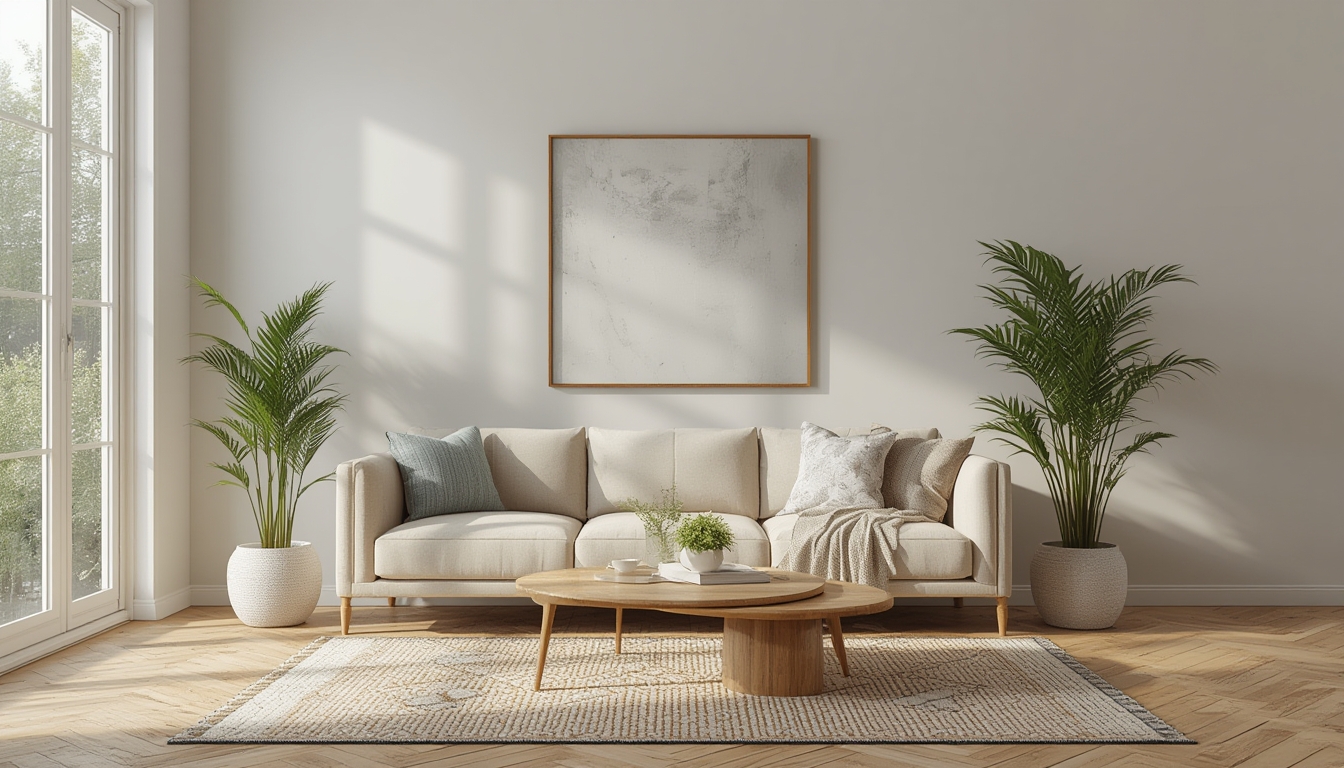
Understanding how the spaces we inhabit affect our minds and bodies is the cornerstone of decor psychology and wellness. Research shows that colors, textures, lighting, and layout can influence stress levels, focus, and overall mood. By intentionally arranging a room—or even a single piece of furniture—you can create an environment that supports mental clarity, emotional balance, and physical health. Below is a data‑driven, step‑by‑step guide to styling a living‑room centerpiece (such as a sofa or a decorative accent wall) that maximizes psychological well‑being while staying practical for any WordPress blogger who wants to share actionable advice with readers.
Step 1: Assess the Space with a Wellness Lens
1.1 Conduct a Quick Mood Survey
- Tool needed: A printable 5‑point mood questionnaire (e.g., “I feel relaxed in this room: 1‑5”).
- Action: Spend five minutes in the room, then rate each statement. Record the average score.
- Tip: If the average is below 3, the space likely needs a psychological boost.
1.2 Measure Light and Color Temperature
- Tool needed: A smartphone light meter app (many free options) and a color‑temperature chart.
- Action: Capture the light level at eye height during morning, afternoon, and evening. Note whether the light is “cool” (5000‑6500 K) or “warm” (2700‑3000 K).
- Tip: Studies from the Journal of Environmental Psychology indicate that warm lighting in the evening reduces cortisol, promoting better sleep.
Step 2: Choose a Psychological Color Palette
2.1 Base Color Selection
Data from a 2022 meta‑analysis of 48 studies shows that soft blues and muted greens lower heart rate by up to 7 % compared to neutral grays. Use these hues for large surfaces (walls, large rugs).
2.2 Accent Colors for Energy
For a subtle energy boost, incorporate a 10‑15 % accent of amber or muted coral. These shades have been linked to increased dopamine release, enhancing motivation without overwhelming the senses.
2.3 Practical Application
- Tool needed: Paint swatches or a digital color visualizer (e.g., Adobe Color).
- Action: Paint a single wall in a calming blue, then add a coral throw pillow or a green plant.
- Tip: Test colors on a 12‑inch square of wall for 48 hours before committing.
Step 3: Optimize Furniture Layout for Flow and Safety
3.1 Apply the “Three‑Zone” Rule
Research on spatial cognition suggests that dividing a room into three functional zones—relaxation, activity, and transition—helps the brain process information more efficiently.
3.2 Step‑by‑Step Layout
- Identify the focal point: This could be a fireplace, TV, or a large artwork.
- Place the main piece (e.g., sofa) at a 45‑degree angle to the focal point. This angle encourages a natural line of sight while reducing visual strain.
- Arrange secondary seating (chairs, ottomans) to form a “U” shape. The open side should face the entryway, creating a clear transition zone.
- Leave at least 24‑inches of walking space. This prevents accidental bumps and supports a calm, unhurried movement flow.
3.3 Tools & Tips
- Tool needed: Painter’s tape or masking tape to outline furniture footprints on the floor.
- Action: Lay down tape rectangles where each piece will sit, then walk the path to test comfort.
- Tip: If the path feels cramped, shift the secondary pieces outward by 6‑12 inches.
Step 4: Incorporate Biophilic Elements
4.1 Choose the Right Plants
A 2021 study in Frontiers in Psychology found that the presence of foliage reduces perceived stress by 12 % and improves indoor air quality. Opt for low‑maintenance plants like snake plant (Sansevieria), pothos, or ZZ plant.
4.2 Placement Strategy
- Tool needed: Small plant stands or decorative pots.
- Action: Position a tall plant (6‑8 ft) near the transition zone to act as a visual anchor.
- Action: Place two medium‑size plants (12‑18 in) on either side of the main seating area for symmetry.
- Tip: Rotate pots weekly to ensure even light exposure.
Step 5: Curate Textures for Tactile Comfort
5.1 Layer Soft Materials
Touch is a powerful sensory cue. A 2019 Harvard study showed that soft textures can increase serotonin levels by 5 % after 10 minutes of contact.
5.2 Actionable Texture Steps
- Add a plush rug: Choose a low‑pile, natural‑fiber rug (e.g., jute) for grounding.
- Introduce throw blankets: Use a lightweight cashmere or organic cotton blanket on the sofa.
- Incorporate cushions: Mix smooth velvet cushions with textured linen ones.
5.3 Tools & Tips
- Tool needed: Measuring tape to ensure the rug covers at least 60 % of the seating area.
- Tip: Keep the texture palette limited to three materials to avoid visual clutter.
Step 6: Fine‑Tune Lighting for Circadian Alignment
6.1 Install Adjustable Light Sources
LED bulbs with tunable color temperature (e.g., 2700 K–5000 K) allow you to mimic natural daylight cycles, which research links to improved sleep quality.
6.2 Practical Lighting Setup
- Ambient lighting: Place a dimmable ceiling fixture with warm light (2700 K) for evenings.
- Task lighting: Add a floor lamp with a cooler temperature (3500 K) near reading areas.
- Accent lighting: Use LED strip lights behind the TV or artwork to create a soft glow without glare.
6.3 Tools & Tips
- Tool needed: Smart light switch or app for scheduling.
- Action: Set the lights to shift 30 minutes before bedtime to a warmer hue.
- Tip: Avoid direct overhead light during evening hours; instead, rely on indirect sources.
Step 7: Add Personal Meaningful Objects
7.1 Choose Items That Evoke Positive Memories
Neuroscience indicates that personal artifacts trigger the brain’s reward circuitry, reinforcing feelings of safety and belonging.
7.2 Implementation
- Tool needed: A small display shelf or wall-mounted grid.
- Action: Curate 3‑5 items (e.g., travel souvenirs, family photos) and arrange them at eye level.
- Tip: Rotate items seasonally to keep the space fresh and engaging.
Step 8: Conduct a Final Wellness Check
8.1 Re‑Run the Mood Survey
- Tool needed: The same questionnaire from Step 1.
- Action: Score the room again after all changes. Aim for an average of 4 or higher.
- Tip: If the score is still low, revisit lighting or color choices—these have the highest impact.
8.2 Document the Process
For WordPress bloggers, capturing before‑and‑after photos, noting the tools used, and sharing the data (mood scores, light measurements) adds credibility and encourages readers to replicate the method.
By following these evidence‑based steps, you transform a simple piece of decor into a wellness‑focused centerpiece that nurtures the mind and body. The result is a harmonious environment where aesthetics and psychology work hand‑in‑hand, delivering measurable improvements in mood, focus, and overall health.