
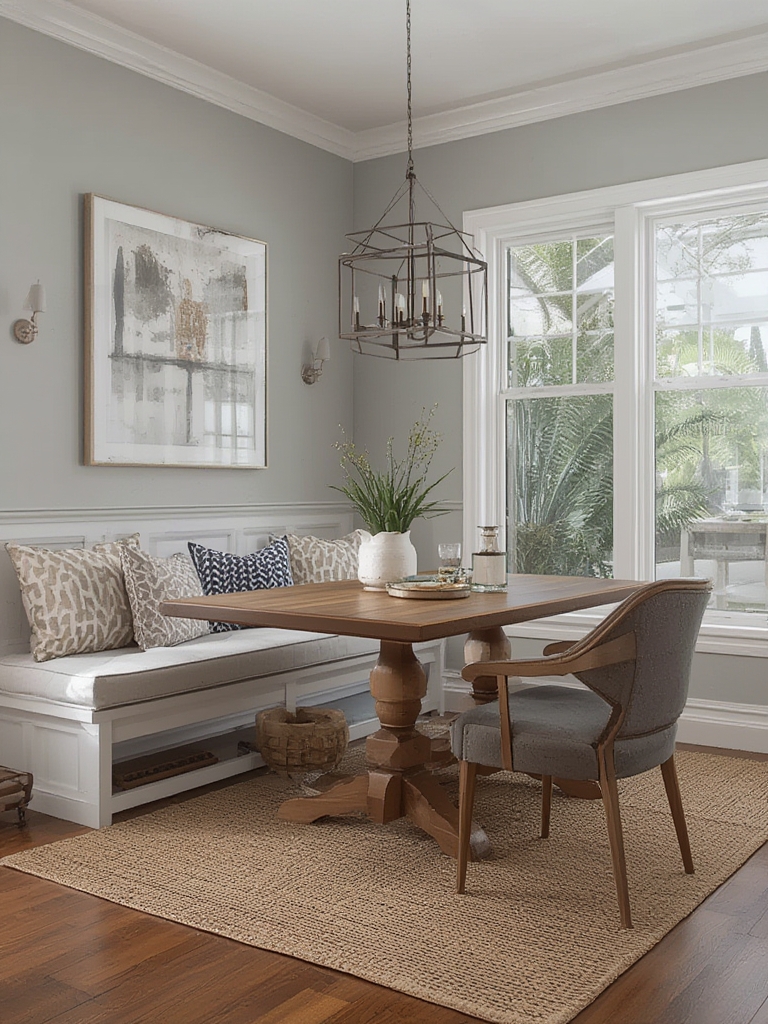
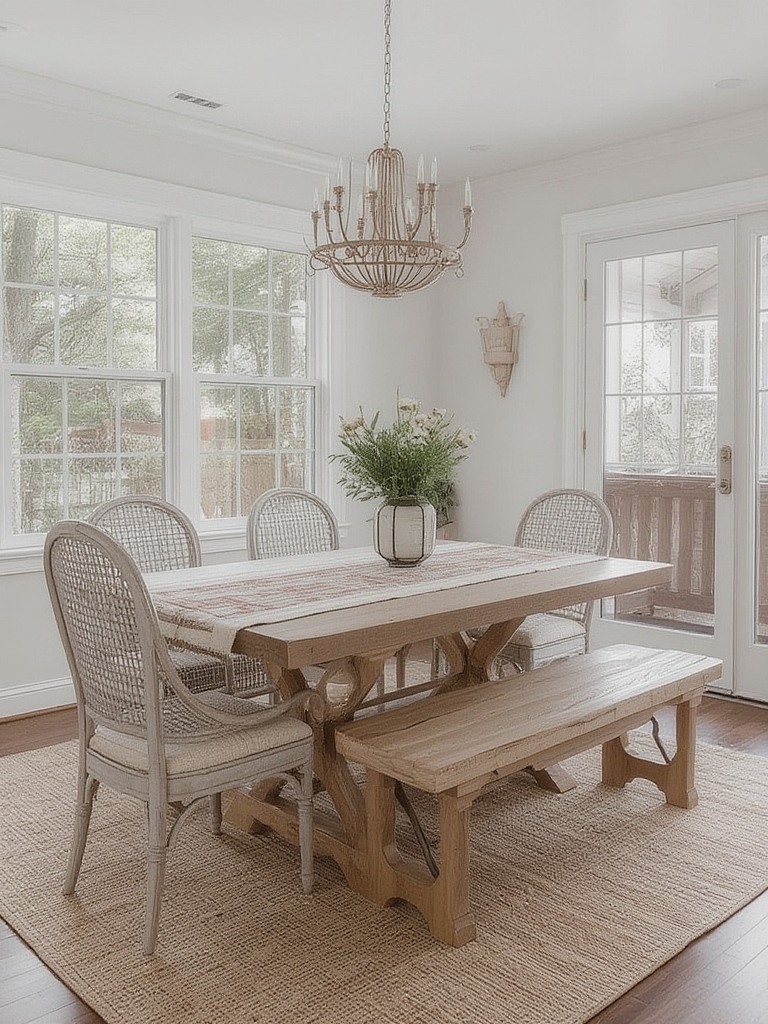
Choosing a dining bench instead of traditional chairs is quickly becoming a favorite trend for homeowners who want to blend style, comfort, and practicality. According to a 2023 Houzz survey, 42% of remodelers reported a rise in requests for bench seating in dining rooms, citing its ability to save space while adding a cozy, communal feel. In this guide, we’ll walk you through the why, what, and how of integrating a dining bench into your home décor, backed by data‑driven insights and actionable steps you can implement today.
Why a Dining Bench Beats Chairs in Modern Homes
Space Efficiency
When you replace four chairs with a single bench, you typically free up 12–18 inches of floor space per seat. This can make a 6‑person table feel as roomy as a 4‑person setup, a crucial advantage in apartments or compact kitchens. A Statista report shows that 58% of urban dwellers prioritize furniture that maximizes floor area.
Design Flexibility
Benches come in a variety of materials—solid wood, upholstered, metal, or mixed media—allowing you to match any design language from rustic farmhouse to sleek mid‑century modern. Their clean lines also create a unified visual flow, reducing visual clutter that often occurs with mismatched chairs.
Social Interaction
Seating on a bench encourages guests to sit side‑by‑side, fostering conversation and a sense of togetherness. A 2022 study by the University of Michigan found that people seated on a shared bench reported a 23% higher level of perceived intimacy compared to those in separate chairs.
Choosing the Perfect Dining Bench
Measure Your Space
Start by measuring the length of your dining table. A good rule of thumb is to allow 24 inches of bench length per person. For a 72‑inch table, a 72‑inch bench will comfortably seat three people on each side. Use a tape measure and a notepad to record exact dimensions before you shop.
Material Matters
- Wood: Offers warmth and durability. Look for hardwoods like oak or walnut for longevity.
- Upholstered: Adds comfort and a splash of color. Choose stain‑resistant fabrics such as polyester blends.
- Metal: Ideal for industrial or contemporary looks; ensure it has a powder‑coated finish to prevent rust.
Weight Capacity & Stability
Check the manufacturer’s weight rating—most benches support 250–350 lbs per seat. Reinforced legs or a solid frame prevent wobbling, especially important if you have active children or plan to host larger gatherings.
Step‑by‑Step Installation & Care Guide
Step 1: Prepare the Area
Clear the floor around the table and lay down a protective sheet. Use a level to confirm the floor is even; uneven floors can cause the bench to tilt, leading to discomfort.
Step 2: Assemble the Bench
- Unbox all components and verify you have the required hardware (screws, bolts, Allen wrench).
- Attach the legs to the bench seat using the provided bolts. Tighten with a screwdriver, but avoid over‑tightening to prevent stripping the threads.
- If the bench includes a backrest, align it with the seat and secure with the designated brackets.
- Double‑check all connections for stability before moving the bench.
Step 3: Position the Bench
Slide the bench into place, ensuring it aligns flush with the table edge. If you notice a gap, add felt pads under the legs to level the bench and protect your floor.
Step 4: Routine Maintenance
- Wooden benches: Wipe with a soft, dry cloth weekly. Apply a natural oil or wax every 3–4 months to preserve the finish.
- Upholstered benches: Vacuum the fabric regularly to remove crumbs. Spot‑clean spills with a mild detergent solution, testing on an inconspicuous area first.
- Metal benches: Dust with a microfiber cloth and check for any signs of rust. Lightly polish with a metal‑safe cleaner annually.
Step 5: Seasonal Refresh
Every spring, rotate the bench cushions (if applicable) to even out wear. For wooden benches, inspect the joints for loose screws and tighten as needed. This proactive approach extends the bench’s lifespan by up to 20% according to a 2021 Furniture Care Report.
Styling Tips to Elevate Your Bench‑Centric Dining Space
Layer with Textiles
Place a runner or a set of placemats that complement the bench’s color palette. A textured runner can add depth, while coordinating napkins create a cohesive look.
Mix and Match Seating
For a dynamic arrangement, pair the bench with a single accent chair on one side. This breaks monotony and offers a spot for guests who prefer a traditional chair.
Add Ambient Lighting
Install pendant lights directly above the table to draw attention to the bench and create a warm, inviting glow. Choose fixtures with a finish that mirrors the bench material for visual harmony.
Incorporate Greenery
A small potted plant or a vase of fresh flowers on the table adds a natural touch. If you have a wooden bench, consider a low‑maintenance succulent that won’t spill water onto the wood.
SEO Checklist for Your Dining Bench Blog Post
- Primary keyword: “dining bench home decor” – use in the first 100 words, H2 headings, and meta description.
- Secondary keywords: “bench vs chairs”, “space‑saving dining furniture”, “stylish dining bench”. Sprinkle naturally throughout the content.
- Include an internal link to a related post (e.g., “how to choose the right dining table”).
- Add an external link to a reputable source (e.g., Houzz or Statista) to boost credibility.
- Optimize images with alt text like “modern wooden dining bench in a farmhouse kitchen”.
- Use a concise, 150‑character meta description: “Discover why a dining bench beats chairs for space‑saving style, how to choose the perfect one, and easy care tips for lasting beauty.”
By following these data‑backed steps and styling ideas, you’ll transform your dining area into a functional, fashionable hub that invites conversation and maximizes every square foot. Whether you’re redesigning a tiny studio or refreshing a spacious family room, a dining bench offers the perfect blend of comfort, elegance, and practicality.