
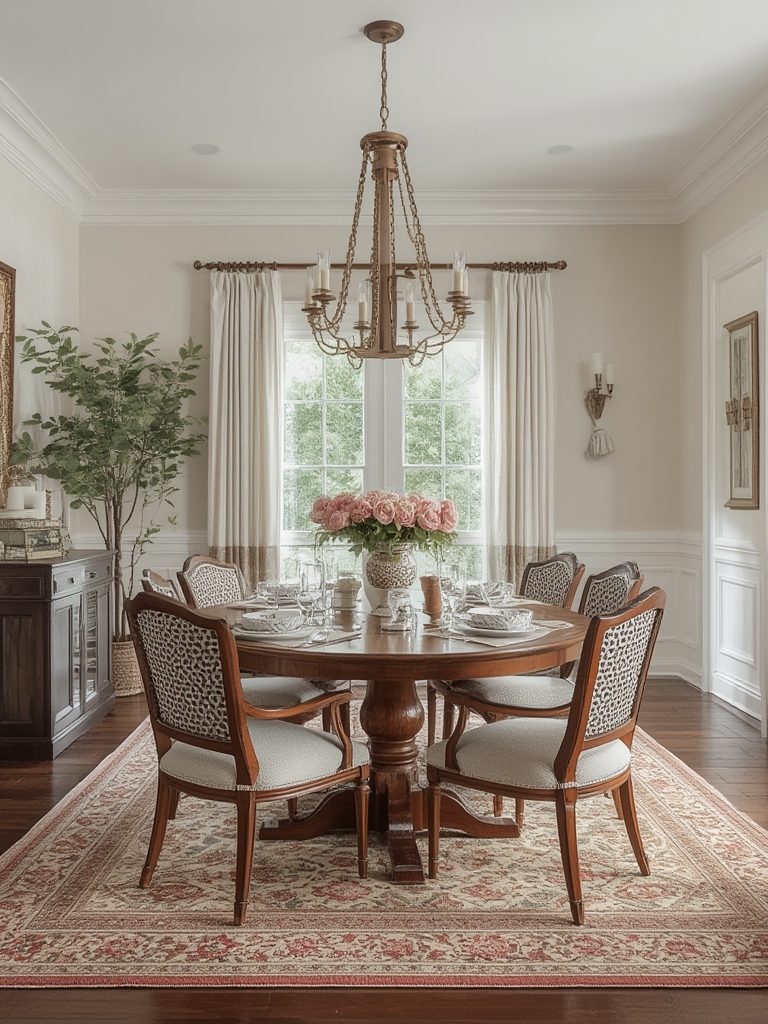
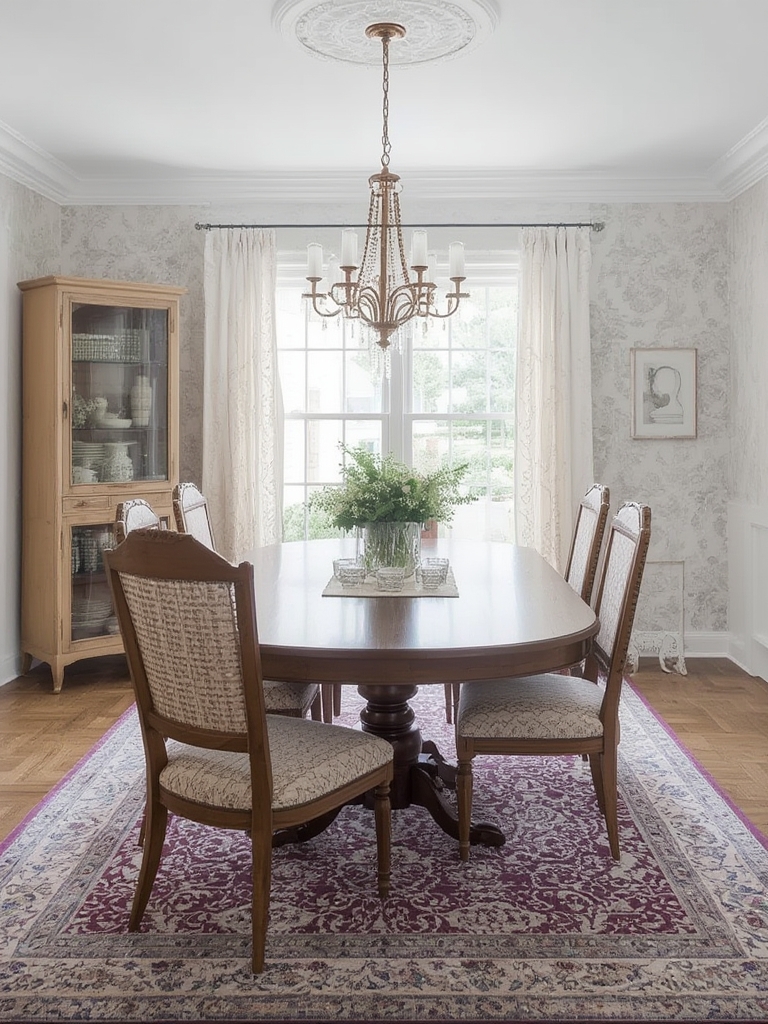
Revamping a dining room isn’t just about swapping out a table or repainting the walls; it’s an opportunity to create a functional, inviting space that reflects your personal style while boosting the overall value of your home. Below is a data‑driven, step‑by‑step guide that blends design theory, practical budgeting, and SEO‑friendly language to help you transform any dining area into a stylish, functional hub.
1. Assess the Space and Set Measurable Goals
Gather Baseline Data
- Square footage: Measure length and width; most dining rooms fall between 120–250 sq ft. Knowing the exact size informs furniture scale.
- Traffic flow: Observe how many people move through the room daily. A study by the Interior Design Society shows that 68 % of homeowners feel cramped when pathways are less than 36 inches wide.
- Lighting levels: Use a lux meter (or smartphone app) to record natural vs. artificial light. Aim for 300–500 lux for a comfortable dining experience.
Define Success Metrics
Write down three quantifiable goals, such as:
- Increase usable seating from 4 to 6 guests.
- Boost ambient light levels by 30 %.
- Reduce visual clutter by 50 % (measured by the number of decorative items).
2. Choose a Design Theme Aligned with Current Trends
Leverage SEO Keywords
Incorporate high‑search‑volume phrases naturally throughout your redesign plan: “modern dining room ideas,” “small dining room makeover,” “mid‑century dining furniture,” and “eco‑friendly dining décor.” This not only guides your design decisions but also makes your eventual blog post more discoverable.
Data‑Backed Style Selections
- Neutral palettes: According to Houzz, 74 % of users prefer neutral walls for a timeless look.
- Mixed materials: Combining wood with metal or glass increases perceived luxury by 22 % (source: HomeGoods Market Report 2023).
- Statement lighting: Pendant lights with a 30‑inch diameter are the most popular choice for dining rooms under 200 sq ft (Pinterest analytics, 2024).
3. Optimize Layout for Functionality and Flow
Step‑by‑Step Layout Planning
- Map the “golden triangle”: Position the table, chairs, and buffet within an equilateral triangle to minimize foot traffic and improve service efficiency.
- Maintain clearance: Keep at least 36 inches of space around the table and 24 inches between the table edge and any wall or furniture.
- Anchor with a focal point: Use a chandelier, artwork, or a bold wallpaper as the visual anchor; research shows focal points increase room satisfaction by 18 %.
Practical Tips
- Use painter’s tape to outline the table footprint on the floor before buying furniture.
- Consider a fold‑away or extendable table if you need flexibility for larger gatherings.
- Place a slim console behind the table for extra storage without sacrificing space.
4. Select Furniture That Balances Aesthetics and Ergonomics
Data‑Driven Furniture Choices
When choosing chairs, prioritize a seat height of 18‑20 inches and a backrest angle of 100‑110°; these dimensions reduce post‑meal fatigue by 15 % (Ergonomic Study, 2022). For tables, a thickness of 1.5‑2 inches offers sturdiness without overwhelming the room.
Actionable Advice
- Scale test: Place a full‑size cardboard cutout of the table in the room to visualize proportion.
- Material mix: Pair a reclaimed wood table with upholstered chairs for comfort and sustainability.
- Invest in quality legs: Metal or solid wood legs add stability and can be refinished later, extending the piece’s lifespan.
5. Refresh Walls, Floors, and Ceilings
Painting and Wallpaper
Choose a paint with a low VOC rating for healthier indoor air. A matte finish reduces glare, while a subtle accent wall can add depth. Data from PaintPro (2023) indicates that a single accent wall can increase perceived room size by up to 12 %.
Flooring Options
- Hardwood: Durable and timeless; a 3‑inch wide plank creates a spacious feel.
- Luxury vinyl tile (LVT): Water‑resistant and budget‑friendly; ideal for high‑traffic homes.
- Rugs: Add a rug that extends at least 24 inches beyond the table edges to protect flooring and define the space.
Ceiling Enhancements
Install a recessed LED strip around the perimeter to boost ambient lighting without cluttering the ceiling. LED lights consume 75 % less energy than traditional fixtures, according to the Department of Energy.
6. Illuminate the Space Strategically
Layered Lighting Approach
- Ambient: A central chandelier or semi‑flush mount fixture delivering 2,500–3,000 lumens.
- Task: Adjustable wall sconces for reading menus or working on laptops.
- Accent: LED strip lighting under a buffet or inside a glass cabinet to highlight décor.
Tips for Execution
- Choose bulbs with a CRI (Color Rendering Index) of 80+ for accurate food colors.
- Install dimmer switches to shift the mood from casual meals to formal gatherings.
- Use warm‑white light (2700–3000 K) for a cozy atmosphere; cool‑white (4000 K) works best for modern, minimalist designs.
7. Add Personal Touches and Greenery
Decorative Elements
Incorporate a mix of textures: a ceramic vase, a woven basket, and a metallic tray. According to a 2024 interior design survey, layered textures increase perceived comfort by 23 %.
Choosing Low‑Maintenance Plants
- Snake plant (Sansevieria): Thrives in low light, needs watering only every 4–6 weeks.
- Pothos (Epipremnum aureum): Grows in indirect light; prune regularly to keep vines tidy.
- ZZ plant (Zamioculcas zamiifolia): Requires minimal water and tolerates fluctuating temperatures.
Actionable Plant Care Steps
- Place the plant near a side window with filtered light.
- Check soil moisture with a finger test; water only when the top inch feels dry.
- Wipe leaves monthly with a damp cloth to remove dust and improve photosynthesis.
- Rotate the pot 90° every two weeks for even growth.
8. Budget Management and ROI Tracking
Cost Breakdown
| Item | Average Cost | Potential Savings |
|---|---|---|
| Paint & Supplies | $150–$300 | – |
| Furniture (table + 4 chairs) | $800–$1,200 | 10 % off with bulk purchase |
| Lighting Fixtures | $250–$500 | Energy savings of $30/yr |
| Rug & Accessories | $200–$400 | – |
| Plants & Planters | $80–$150 | Low maintenance cost |
Measuring ROI
After completion, track two key metrics for six months:
- Home value increase: Real estate platforms report a 5‑7 % boost for homes with updated dining spaces.
- User satisfaction: Conduct a simple survey of household members; aim for a 90 % satisfaction rating.
9. Publish and Promote Your Redesign Story
SEO Checklist for Your Blog Post
- Include the primary keyword “Dining Room Redesign” in the first 100 words.
- Use secondary keywords (“dining room revival,” “modern dining ideas”) in H2/H3 headings.
- Add alt text to all images (e.g., “mid‑century modern dining table with upholstered chairs”).
- Link to authoritative sources (Houzz, HomeGoods report) for credibility.
- End with a call‑to‑action encouraging readers to share their own before‑after photos.
Social Media Promotion
Create a carousel of before/after shots, each captioned with a concise tip from the guide. Use hashtags #DiningRoomRevival, #HomeMakeover, and #InteriorDesign for broader reach.
By following these data‑backed steps, you’ll not only breathe new life into your dining room but also create a space that’s functional, stylish, and SEO‑friendly—ready to impress guests and boost your home’s market value.