
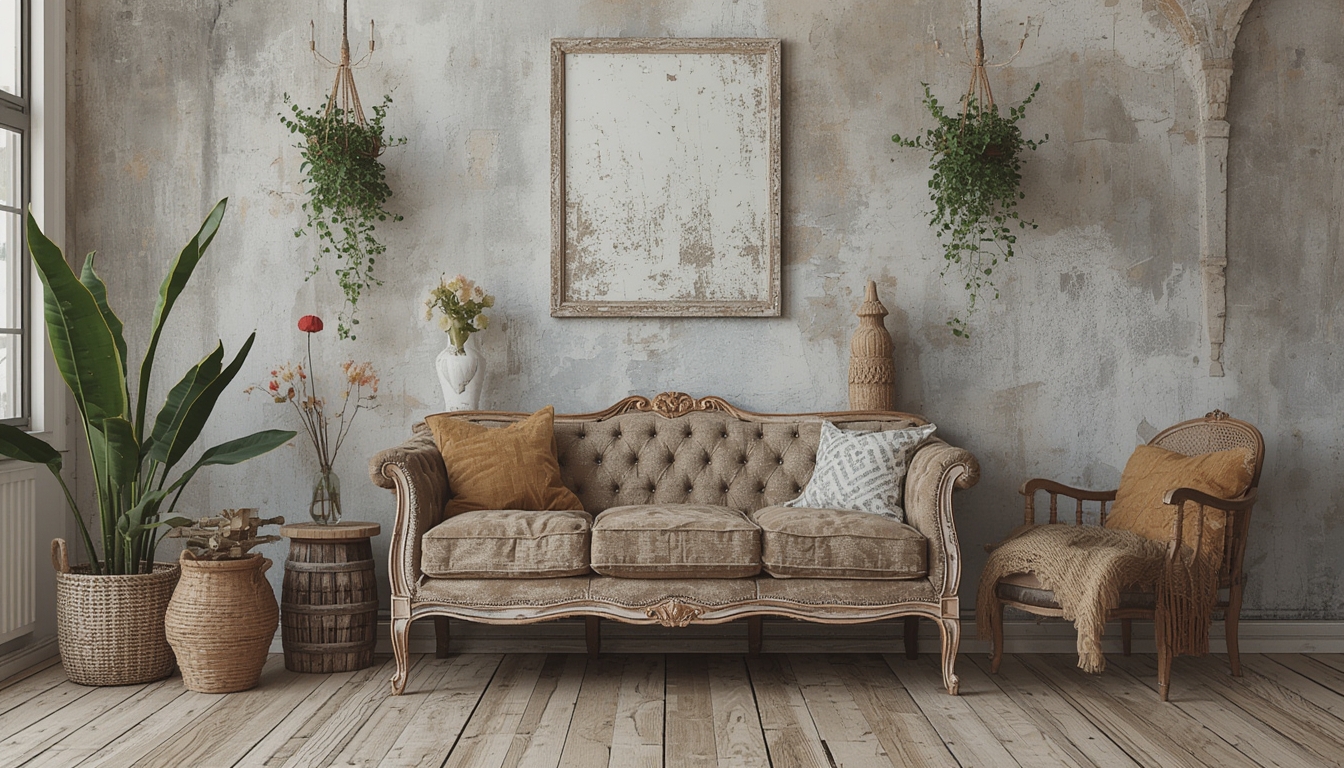

Welcome to the world of DIY & upcycle projects, where imagination meets sustainability. Transforming everyday items into functional, stylish pieces not only saves money but also adds a personal touch to your home. In this guide, we’ll walk through three popular upcycle ideas—turning a wooden pallet into a coffee table, reviving an old ladder into a rustic bookshelf, and converting glass jars into chic kitchen storage. Each project includes a clear list of tools, step‑by‑step instructions, and practical tips to help you achieve professional‑looking results, even if you’re a beginner.
Project 1: Pallet Coffee Table
Tools & Materials
- 1 solid wooden pallet (preferably heat‑treated)
- Sandpaper (80‑grit and 220‑grit)
- Electric sander or hand block
- Measuring tape and pencil
- Saw (circular or hand saw)
- Wood screws (2½‑inch)
- Drill with screwdriver bit
- Wood stain or paint
- Clear polyurethane finish
- Optional: caster wheels for mobility
Step‑by‑Step Assembly
- Inspect & Clean: Lay the pallet flat, remove any nails or staples with pliers. Wipe down the surface to eliminate dust.
- Measure & Cut: Determine the desired table height (typically 16‑18 in). Cut the pallet’s legs from the side boards using a saw; aim for uniform length.
- Sand Thoroughly: Start with 80‑grit sandpaper to smooth rough edges, then finish with 220‑grit for a silky feel. Pay extra attention to corners where splinters form.
- Stain or Paint: Apply your chosen stain or paint with a brush or rag, following the wood grain. Allow 30 minutes to dry, then sand lightly with fine grit before a second coat.
- Attach Legs: Position the cut legs at each corner of the pallet. Pre‑drill pilot holes to prevent wood splitting, then secure with wood screws.
- Finish: Coat the entire table with a clear polyurethane for durability. Two thin coats work better than one thick coat; let each dry for at least 4 hours.
- Optional – Add Casters: If you want a mobile piece, replace the bottom screws with caster bolts and attach swivel wheels.
Practical Tips
- Use a scrap piece of wood as a guide when drilling pilot holes; it ensures straight alignment.
- When staining, work in a well‑ventilated area and wear gloves to avoid skin stains.
- Apply a thin layer of wood filler to any gaps before the final finish for a seamless look.
Project 2: Ladder Bookshelf
Tools & Materials
- Old wooden ladder (6‑step is ideal)
- Sandpaper (120‑grit and 320‑grit)
- Paintbrush or roller
- Chalk paint or matte finish paint
- Wall anchors and screws
- Stud finder
- Level
- Protective gloves and mask
Step‑by‑Step Assembly
- Prep the Ladder: Remove any loose rungs or broken parts. Clean the surface with a damp cloth and let it dry completely.
- Sand the Surface: Begin with 120‑grit sandpaper to smooth splinters, then finish with 320‑grit for a polished base ready for paint.
- Prime (Optional): If the wood is very dark or you plan a light color, apply a thin coat of primer. This improves paint adhesion.
- Paint: Using chalk paint gives a distressed look with minimal prep. Apply two coats, allowing 20‑30 minutes between layers.
- Mounting: Locate studs with a stud finder where the ladder will sit. Mark screw positions, drill pilot holes, and insert wall anchors if needed.
- Secure the Ladder: Align the ladder against the wall, use a level to ensure it’s straight, then drive screws through the side brackets into the wall anchors.
- Styling: Place books, decorative boxes, and small plants on the rungs. The open design encourages airflow, perfect for paperbacks.
Practical Tips
- For a vintage vibe, lightly sand the paint after the second coat to reveal a subtle wood grain.
- Use rubber caps on the ladder’s bottom feet to protect flooring.
- If the ladder is too tall, trim the top rung with a saw and sand the cut edge smooth.
Project 3: Glass‑Jar Kitchen Storage
Tools & Materials
- Assorted glass jars with lids (size varies)
- Label maker or printable labels
- Permanent marker (optional)
- Non‑slip shelf liner or silicone pads
- Small funnel
- Cleaning brush
- Optional: Chalk paint for jar lids
Step‑by‑Step Assembly
- Clean the Jars: Wash each jar with warm, soapy water. Rinse well and let dry completely. For stubborn stains, soak in a mixture of baking soda and water.
- Label Creation: Decide on a labeling system—either printed labels for a uniform look or hand‑written tags for a rustic feel. Attach labels to the front of each jar.
- Optional Lid Paint: If you want a coordinated look, lightly sand the metal lids, then apply a coat of chalk paint. Let dry, then seal with a clear spray.
- Arrange on Shelf: Place non‑slip pads or a silicone mat on the shelf to prevent jars from sliding. Arrange jars by size or category for visual balance.
- Fill the Jars: Use a small funnel to transfer dry goods—pasta, beans, spices—into the jars. Leave a small headspace to avoid spillage.
- Maintain Freshness: Store a dry paper towel inside each lid to absorb moisture, extending the shelf life of dry ingredients.
Practical Tips
- Rotate stock regularly: place newer items behind older ones to use up supplies before they expire.
- For a cohesive aesthetic, choose jars with similar shapes and only vary the lid color.
- Use a magnetic strip on the side of the shelf to hold metal spice tins for quick access.
These three DIY & upcycle projects prove that creativity and a few basic tools can transform ordinary items into functional décor. By following the step‑by‑step instructions and incorporating the practical tips, you’ll achieve polished results that reflect your personal style while promoting sustainable living. Happy building!