
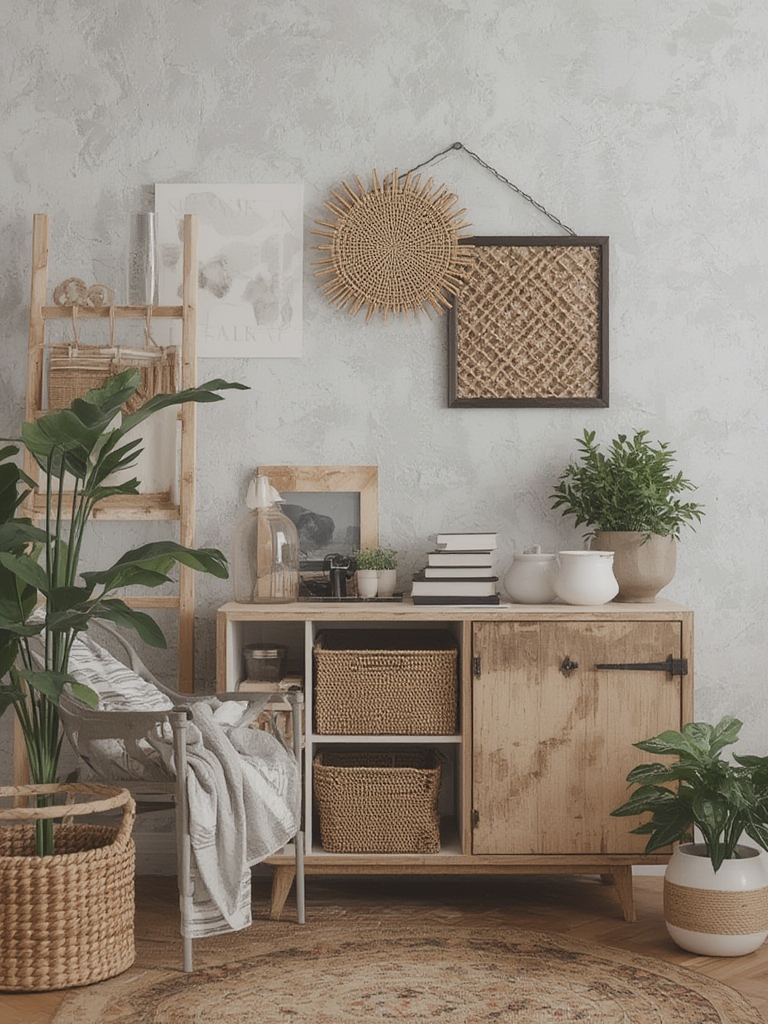
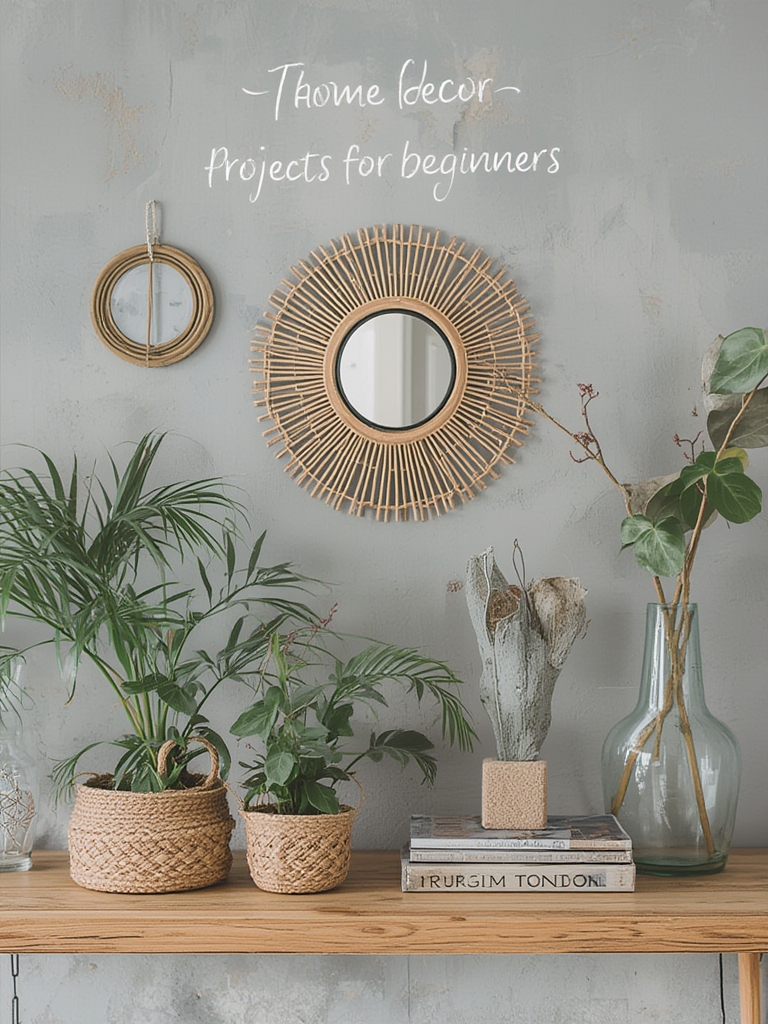
Looking to refresh your living space without breaking the bank? DIY home décor projects are the perfect gateway for beginners who want to add personality, style, and a sense of accomplishment to their homes. Below you’ll find four easy‑to‑follow projects, each broken down into clear steps, practical tips, and small actionable advice that will keep you on track and boost your confidence. Whether you’re a first‑time crafter or simply searching for fresh ideas, these projects are designed to be budget‑friendly, low‑maintenance, and instantly Instagram‑worthy.
Why DIY Home Décor Works for Beginners
Starting with simple projects helps you build foundational skills—measuring, cutting, gluing, and arranging—while keeping the learning curve gentle. You’ll also discover the joy of repurposing everyday items, which reduces waste and maximizes creativity. By focusing on projects that require minimal tools and inexpensive materials, you can experiment freely without fear of costly mistakes.
Project 1: Mason Jar Wall Lights
Materials Needed
- 12‑oz Mason jars (4–6 depending on desired length)
- Battery‑operated LED tea lights or fairy lights
- Wooden board (1‑by‑12, 24‑inch length works well)
- Small hooks or metal eyelets
- Drill with ¼‑inch bit, screwdriver, and level
Step‑by‑Step Instructions
- Plan Your Layout: Lay the wooden board on the floor and arrange the jars in a pattern you like (straight line, staggered, or asymmetrical). This visual step saves time and prevents unnecessary holes.
- Mark Hook Positions: Using a pencil, mark where each hook will go—centered about 2 inches from the top edge of each jar. Ensure even spacing (about 3–4 inches apart) for a balanced look.
- Install Hooks: Drill pilot holes, then screw in the hooks or eyelets. Use a level to double‑check that each hook is perfectly horizontal.
- Insert Lights: Place an LED tea light or a string of fairy lights inside each jar. Battery‑operated lights avoid wiring hassles and are safe for wall mounting.
- Hang the Board: Secure the board to the wall using picture‑hanging hardware that can support the weight (typically 2–3 pounds per jar). Double‑check that the board is level before tightening.
Tips & Tricks
- For a rustic vibe, sand the board lightly and apply a coat of matte chalk paint.
- Swap out LED colors seasonally—warm amber for fall, cool white for winter, pastel hues for spring.
- If you want a dimmer effect, place a thin layer of decorative sand at the bottom of each jar before adding the light.
Project 2: Simple Macramé Plant Hangers
Materials Needed
- Natural cotton macramé cord (3‑mm thickness, ~30 ft)
- Wooden dowel (1‑inch diameter, 12‑inch length)
- Scissors, tape measure, and a small metal ring (optional)
- Your favorite indoor plant (e.g., pothos, spider plant)
Step‑by‑Step Instructions
- Cut the Cord: Measure and cut four strands, each 7 feet long. Even lengths ensure a symmetrical hanger.
- Attach to Dowel: Fold each strand in half, creating a loop. Slide the loop over the dowel and pull the ends through the loop to secure (a basic lark’s head knot).
- Create the Main Knot: Separate the strands into two groups of four. Tie a square knot (right‑over‑left‑over‑right, then left‑over‑right‑over‑left) about 2 inches below the dowel. Repeat for the second group, aligning the knots.
- Form the Hanging Loops: Take each pair of strands and create a loop by pulling the middle section up, then tie a simple overhand knot around the adjacent pair. You’ll end up with three evenly spaced loops.
- Finish the Bottom: Gather all eight ends, measure 4 inches from the last knot, and tie a large knot to create the plant pot holder.
- Trim & Secure: Trim excess cord to your desired length, leaving a small fringe for a decorative touch. Insert the plant pot into the bottom knot and adjust the loops for balance.
Practical Advice
- Use a ruler or measuring tape for each knot to keep spacing consistent.
- If the cord feels too stiff, soak it in warm water for 10 minutes before starting; it will become more pliable.
- For added stability, attach a small metal ring to the bottom knot and slide the pot’s base through it.
Project 3: DIY Terrarium – A Green Touch
Materials Needed
- Clear glass container (geometric vase, fishbowl, or large mason jar)
- Small stones or pebbles (for drainage)
- Activated charcoal (prevents odor)
- Potting soil suitable for succulents or cacti
- Selection of low‑maintenance plants (e.g., echeveria, haworthia, air plants)
- Decorative accents (tiny figurines, shells, sand)
Step‑by‑Step Instructions
- Prepare the Base: Add a 1‑inch layer of stones to the bottom of the container. This creates drainage and prevents root rot.
- Layer Charcoal: Sprinkle a thin (¼‑inch) layer of activated charcoal over the stones. This keeps the terrarium fresh by absorbing excess moisture.
- Add Soil: Fill the container with potting soil to a depth of about 2‑3 inches, depending on plant root size. Lightly pat the soil to create a stable surface.
- Plant Placement: Remove each plant from its nursery pot, gently shake off excess soil, and make a small indentation in the terrarium soil. Place the plant, then firm soil around the base to secure it.
- Decorate: Arrange decorative elements—sand, shells, or tiny figurines—around the plants for visual interest.
- Final Touch: Lightly mist the interior with a spray bottle. Close the container if it has a lid, or leave it open for succulents that need more airflow.
Plant Care Tips for a Healthy Terrarium
- Light: Place the terrarium near a bright, indirect window (4–6 hours of filtered sunlight). Direct sun can overheat the glass and scorch the plants.
- Watering: Succulents need minimal water—spray once every 2–3 weeks. Check the soil; if it feels dry to the touch, add a light mist. Avoid overwatering, which leads to mold.
- Ventilation: Open the lid for a few minutes once a week to allow fresh air circulation and prevent humidity buildup.
- Pruning: Trim any dead or yellowing leaves with clean scissors to keep the terrarium tidy and reduce the risk of disease.
- Seasonal Adjustments: In winter, reduce watering frequency; in summer, increase misting slightly if the soil dries quickly.
Project 4: Upcycled Picture Frame Shelf
Materials Needed
- Old wooden picture frame (large, with a deep backing)
- Sandpaper (medium grit)
- Paint or wood stain (optional)
- Wall‑mounting brackets or heavy‑duty picture hooks
- Level, drill, and screws
- Decor items (small potted plants, candles, books)
Step‑by‑Step Instructions
- Clean & Sand: Wipe the frame to remove dust. Sand the surface lightly to smooth rough edges and help paint or stain adhere.
- Finish the Wood: Apply a coat of paint or wood stain, following the manufacturer’s drying time. For a distressed look, sand the edges after the paint dries.
- Attach Brackets: Measure and mark where the brackets will sit—typically 1‑inch in from each side. Drill pilot holes, then screw the brackets securely.
- Mount the Shelf: Use a level to ensure the frame sits straight on the wall. Install the wall hooks or anchors, then hang the frame.
- Style Your Shelf: Arrange decorative items, balancing height and visual weight. Keep the top layer light (e.g., a small succulent) and add a heavier piece (like a candle) at the back for depth.
Actionable Advice
- When painting, use a foam roller for an even finish and fewer brush marks.
- If the frame is heavy, anchor the brackets into studs for added safety.
- Rotate decorative items every few weeks to keep the display fresh and prevent dust buildup.
Wrapping Up: Your DIY Journey Starts Now
Each of these beginner‑friendly projects combines creativity with practicality, allowing you to personalize your space while learning valuable skills. Remember to keep a small “DIY toolkit” on hand—scissors, a measuring tape, a drill, and a set of basic screws—so you’re always ready to tackle the next idea. By following the step‑by‑step instructions and incorporating the actionable tips, you’ll not only achieve beautiful results but also build confidence for more ambitious projects down the road.
Ready to start? Pick the project that resonates most with your style, gather the materials, and dive in. Your home is about to get a fresh, handcrafted makeover—one simple step at a time.