
Why Bright, Joyful Colors Boost Your Home’s Dopamine Levels
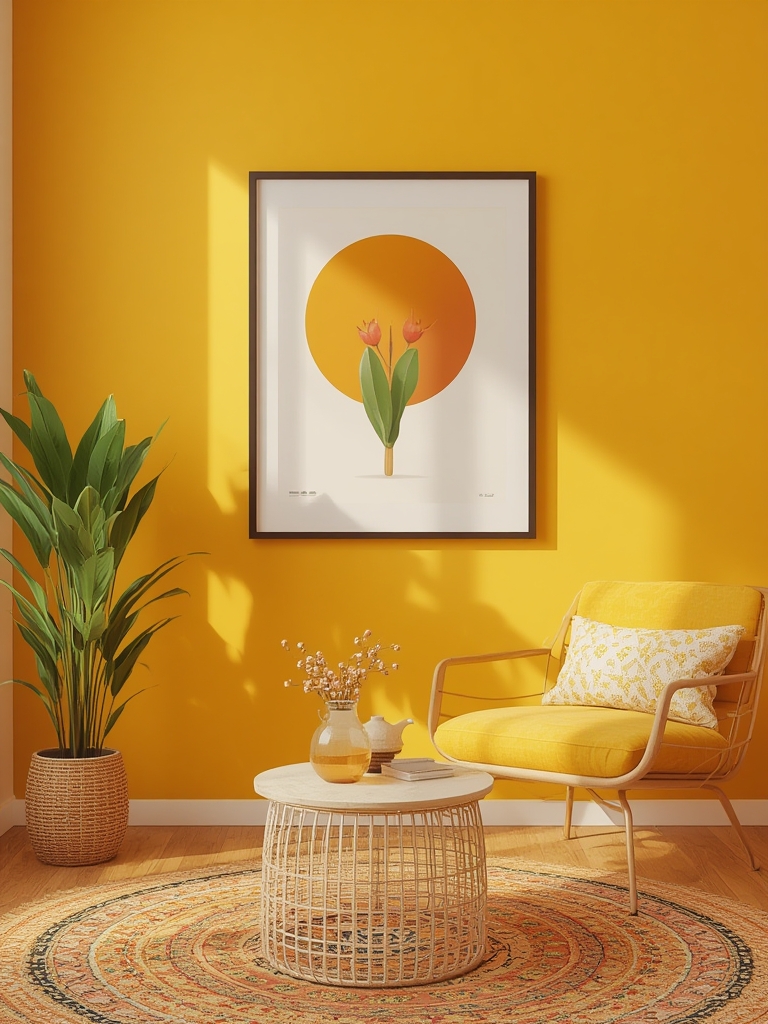
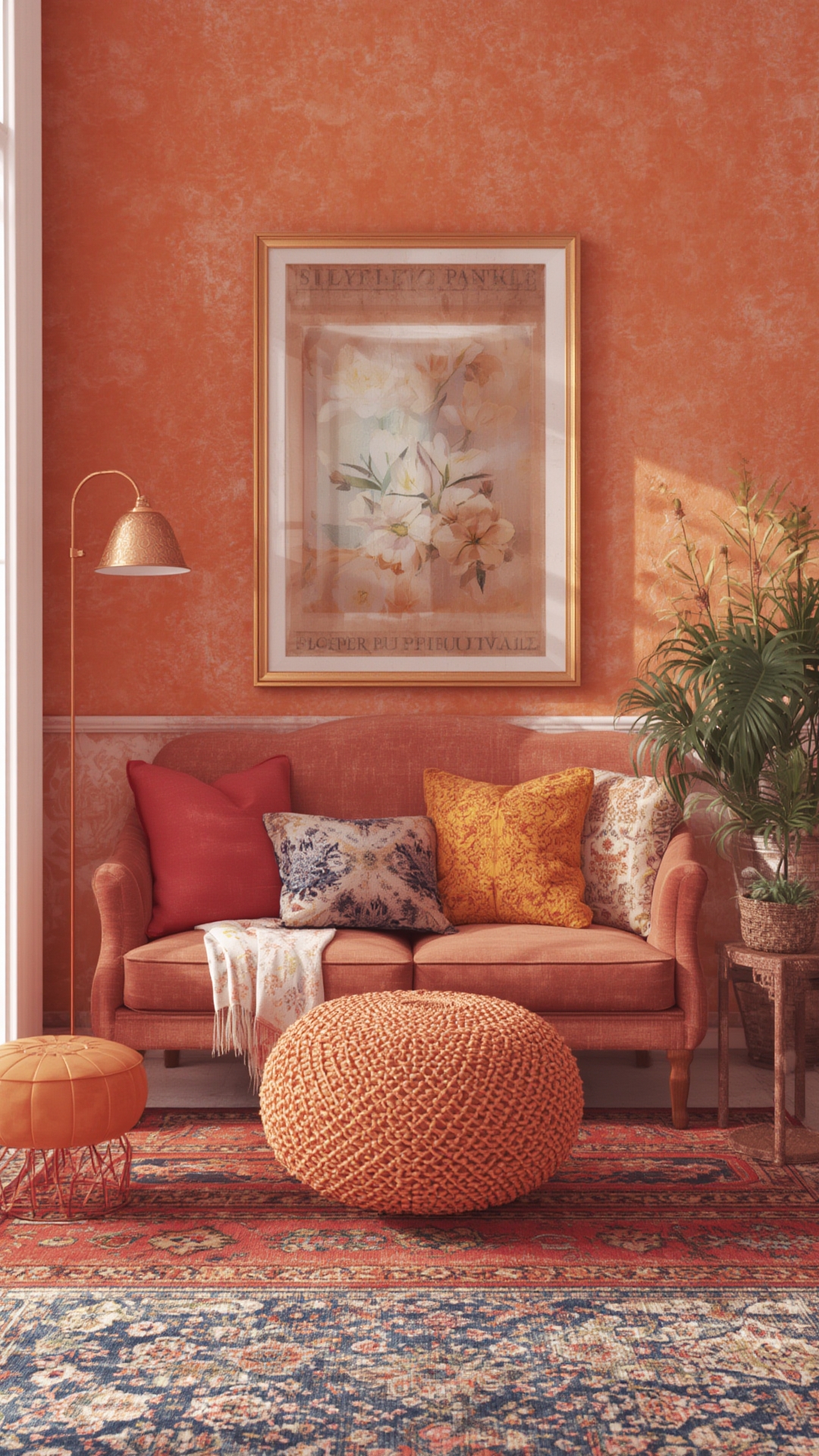
Research shows that vibrant hues like sunny yellow, electric orange, and lively teal can trigger the brain’s reward system, releasing dopamine – the “feel‑good” neurotransmitter. When you incorporate these colors into your home décor, you create an environment that feels uplifting, energizing, and mentally refreshing. This is the core idea behind Dopamine décor: using bold, cheerful palettes to turn ordinary spaces into happiness‑boosting sanctuaries.
Choosing the Perfect Plant for Dopamine Décor
Plants are natural color carriers. A foliage plant with vivid, multi‑colored leaves not only adds visual interest but also improves indoor air quality, further supporting a calm, focused mind. One of the best candidates is the Croton (Codiaeum variegatum). Its leaves showcase a kaleidoscope of reds, yellows, oranges, and greens, making it a living piece of art that instantly lifts the mood.
Key Benefits of Croton for Dopamine‑Focused Spaces
- Instant color pop: Each leaf is a miniature canvas of bright pigments.
- Low maintenance: With the right light and watering routine, Croton thrives indoors.
- Air‑purifying: Removes common indoor pollutants, contributing to a healthier atmosphere.
Step‑by‑Step Guide to Growing and Caring for Your Croton
1. Selecting the Right Pot and Soil
Actionable tip: Choose a pot that’s 2‑3 inches larger than the plant’s root ball and has drainage holes. Use a well‑draining potting mix—ideally a blend of peat moss, perlite, and pine bark (70% peat, 15% perlite, 15% pine bark). This mix mimics the plant’s native tropical soil, preventing root rot while retaining enough moisture for vivid leaf coloration.
2. Providing Optimal Light
Croton craves bright, indirect sunlight. Direct afternoon sun can scorch the leaves, while low light dulls the colors.
- Morning sun: Place the plant near an east‑facing window for 3‑4 hours of gentle light.
- Artificial boost: If natural light is limited, use a full‑spectrum LED grow light for 12‑14 hours a day.
Quick check: If the leaves start turning pale, move the plant a few inches closer to the light source.
3. Mastering Watering Techniques
Consistent moisture is crucial, but over‑watering is the most common mistake.
- Check the top inch of soil; if it feels dry, water thoroughly until water drains from the bottom.
- Allow the soil to dry slightly between waterings—typically every 5‑7 days, depending on humidity and temperature.
- Use room‑temperature water to avoid shocking the roots.
Pro tip: Add a pebble tray beneath the pot to increase humidity, which enhances leaf color intensity.
4. Feeding for Vivid Color
Fertilize every 4‑6 weeks during the growing season (spring through early fall) with a balanced, water‑soluble fertilizer (20‑20‑20) diluted to half strength.
- Higher phosphorus levels (the middle number) promote richer pigmentation.
- Stop feeding in winter when growth naturally slows.
5. Pruning and Shaping
Regular pruning keeps the plant compact and encourages new, colorful growth.
- Trim any leggy stems back to a node just above a leaf pair.
- Remove yellow or brown leaves immediately to prevent disease spread.
- Use clean, sharp scissors to make clean cuts, reducing stress on the plant.
Actionable tip: After pruning, place the cut ends in water for 24 hours before re‑planting to encourage root development.
6. Managing Common Pests
Scale insects and spider mites love the warm, humid environment Croton prefers.
- Inspect weekly: Look for tiny white bumps (scale) or fine webbing (spider mites).
- Organic control: Spray the foliage with a solution of 1 tablespoon neem oil mixed with 1 quart water. Apply every 7‑10 days until pests disappear.
- Preventive measure: Keep the plant’s foliage dust‑free by wiping leaves with a damp cloth monthly.
Integrating Croton into a Dopamine‑Boosting Design Scheme
Now that your Croton is thriving, let’s place it where it can do the most emotional heavy lifting.
Color Pairings
- Yellow accents: Pair the plant with mustard‑colored throw pillows or a sunny rug to amplify optimism.
- Orange décor: Use orange ceramic vases or artwork to echo the plant’s fiery tones.
- Cool contrast: A teal wall or cobalt blue curtains balances the warm hues, creating a harmonious, dopamine‑rich palette.
Strategic Placement
- Living room focal point: Position the Croton on a side table beside a bold, patterned sofa.
- Home office boost: Place it on a desk or shelf where natural light hits it, providing a visual break that improves focus.
- Entryway welcome: A large Croton in a decorative pot greets guests with instant cheer.
Measuring Success: How to Tell Your Dopamine Décor Is Working
Beyond aesthetics, you can gauge the impact of your bright décor with simple observations:
- Mood tracking: Keep a short journal noting how you feel after spending time in the space. A consistent uplift suggests the color scheme is effective.
- Visitor feedback: Compliments about “the vibe” or “the colors” indicate that the décor resonates.
- Plant health: A thriving Croton with deep, saturated leaves confirms you’ve nailed the care routine.
Quick‑Reference Checklist
| Task | Frequency | Key Action |
|---|---|---|
| Check soil moisture | Every 2‑3 days | Touch top inch; water if dry |
| Inspect for pests | Weekly | Look for scale, mites; treat with neem oil |
| Fertilize | Every 4‑6 weeks (spring‑fall) | Half‑strength 20‑20‑20 |
| Prune | Monthly | Trim leggy stems, remove dead leaves |
| Rotate pot | Bi‑weekly | Turn 90° for even light exposure |
Final Thoughts
By selecting a vivid, low‑maintenance plant like Croton and pairing it with bright, joyful décor, you create a living dopamine‑boosting environment that’s both stylish and health‑supportive. Follow the step‑by‑step care guide, integrate the plant into strategic color schemes, and watch both your mood and your home’s aesthetic flourish.