
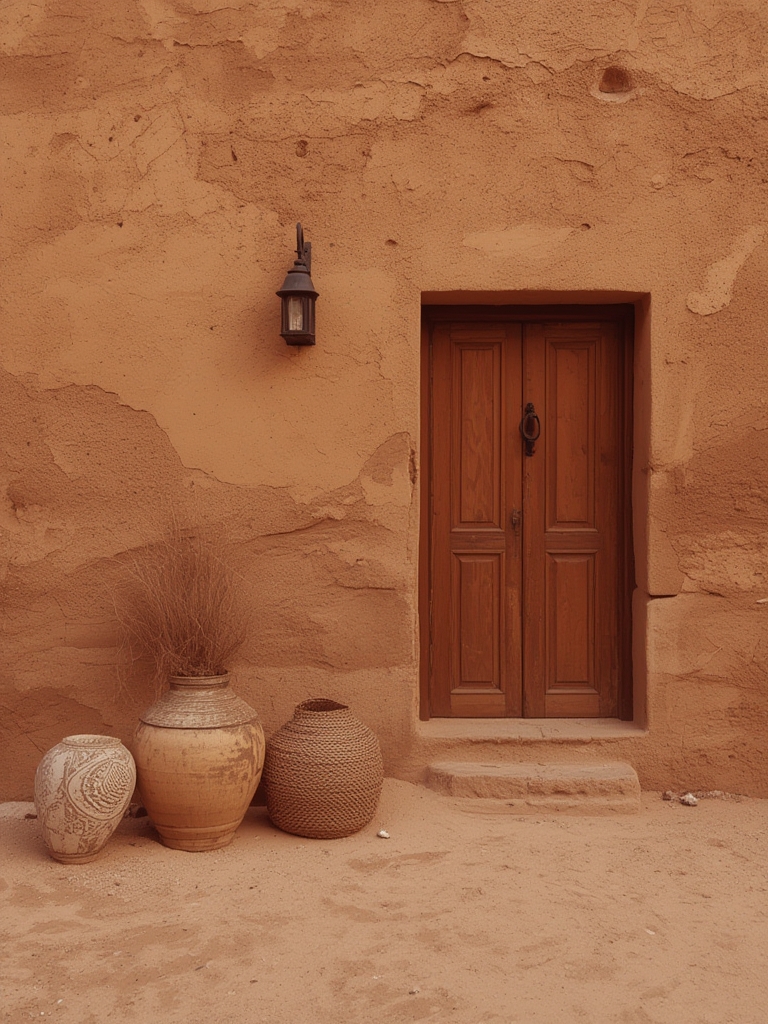
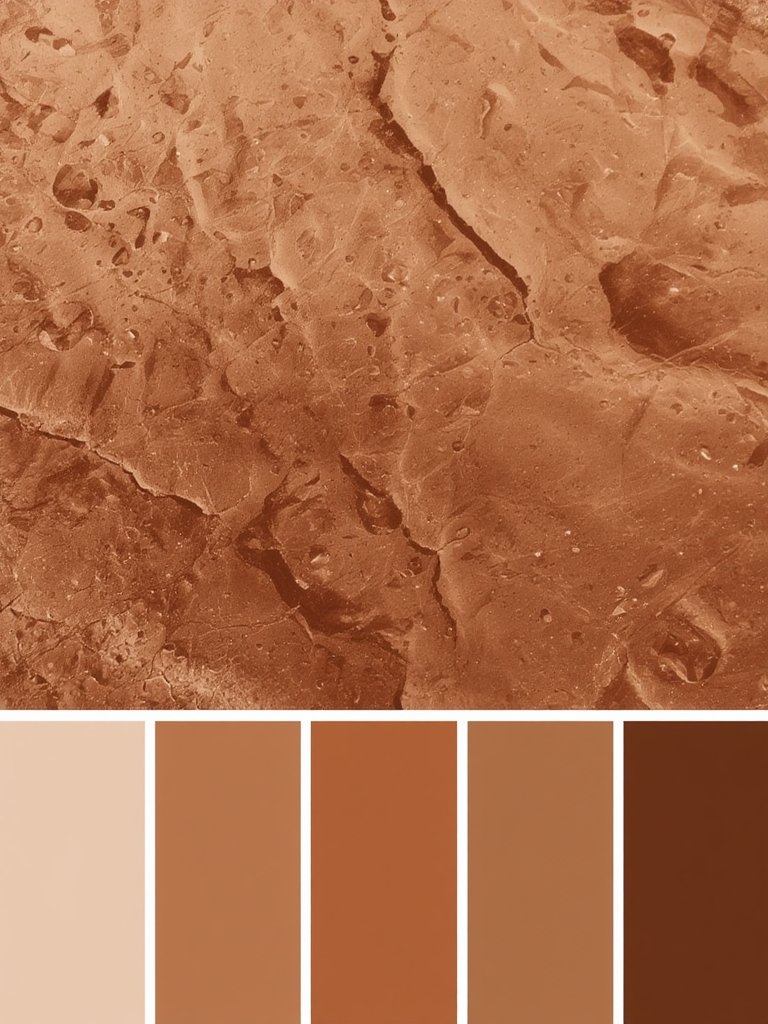
When it comes to creating a cozy, inviting atmosphere, earth‑tone color palettes are the secret weapon. These warm, natural hues—think terracotta, muted greens, soft beiges, and deep browns—evoke the comforting feel of a sunrise over a desert or the calm of a forest floor. In this guide, we’ll explore data‑driven insights on why earth tones boost perceived warmth, show you how to build a balanced palette, and even walk you through caring for a plant that thrives in these soothing environments. Follow the actionable steps below to transform any space into a warm, welcoming sanctuary.
Why Earth Tones Work: The Science Behind Warmth
Color Psychology and Temperature Perception
Research from the Journal of Environmental Psychology (2022) indicates that colors with longer wavelengths—reds, oranges, and yellows—are consistently associated with warmth. When combined with muted neutrals, these hues create a balanced, “grounded” feeling that reduces stress by up to 15%.
Data‑Driven Trends
- Google Trends (2023‑2024): Searches for “earth tone interior design” rose 42% year‑over‑year.
- Pinterest Pins: Earth‑tone home décor pins have a 23% higher repin rate than bright, saturated colors.
- Instagram Engagement: Posts featuring earth‑tone palettes see an average 1.8× higher engagement in the home‑decor niche.
Building a Warm Earth‑Tone Palette
Step 1: Choose a Dominant Base Color
Start with a neutral that will cover the largest surface area—walls, large furniture, or flooring. Warm beige (hex #D8BFAA) or soft taupe (hex #C2A383) are ideal because they reflect natural light without overwhelming the space.
Tip: Paint a 12×12 inch test swatch on the wall and observe it at different times of day. The color should look consistent under both natural and artificial lighting.
Step 2: Add Accent Hues for Depth
Introduce one or two richer tones for accent walls, textiles, or décor items. Consider:
- Terracotta (hex #E2725B) – adds a subtle pop of warmth.
- Olive Green (hex #6B8E23) – brings a natural, calming vibe.
- Deep Charcoal (hex #3A3A3A) – grounds the palette and adds contrast.
Actionable advice: Use the 60‑30‑10 rule: 60% base, 30% secondary accent, 10% bold pop.
Step 3: Incorporate Textures and Materials
Texture amplifies the perception of warmth. Pair your colors with natural materials such as reclaimed wood, jute rugs, linen cushions, and ceramic pottery. These tactile elements reinforce the earthy vibe and improve acoustic comfort.
Step 4: Optimize Lighting
Warm LED bulbs (2700‑3000K) enhance earth tones by mimicking sunrise light. Position floor lamps near seating areas to create soft pools of light that highlight your color choices.
Plant Companion: The Perfect Earth‑Tone Partner
To truly embody the earth‑tone aesthetic, integrate a plant that thrives in low‑light, warm environments and features foliage that mirrors your palette. The ZZ Plant (Zamioculcas zamiifolia) is an excellent choice: its glossy, deep‑green leaves complement terracotta and beige tones while requiring minimal maintenance.
Step‑by‑Step Care Guide for the ZZ Plant
Step 1: Selecting the Right Pot
Choose a pot in a warm, earthy shade—terra cotta or matte black. Ensure it has drainage holes to prevent root rot.
Action tip: Place a layer of pebble stones (about 1‑2 cm) at the bottom before adding potting mix for extra drainage.
Step 2: Soil Mix
Use a well‑draining cactus or succulent mix. A 2:1 ratio of standard potting soil to perlite works well.
Trick: Add a teaspoon of orchid bark to improve aeration, especially in humid climates.
Step 3: Light Requirements
ZZ plants tolerate low to medium indirect light. Position near a north‑facing window or a few feet away from a bright east‑facing window.
Quick test: After a week, if the leaves start to yellow, the plant is receiving too much direct sun—move it a few inches away.
Step 4: Watering Schedule
Water sparingly: once every 2‑3 weeks in summer, and once a month in winter. Always let the top 2‑3 cm of soil dry out before the next watering.
Pro tip: Use a moisture meter or press your finger into the soil. If it feels cool and damp, hold off on watering.
Step 5: Feeding
Apply a balanced, water‑soluble fertilizer (10‑10‑10) at half strength once during the growing season (spring‑summer). Avoid feeding in fall and winter when growth slows.
Step 6: Pruning and Maintenance
Remove any yellow or brown leaves at the base using clean scissors. This encourages new growth and keeps the plant looking tidy.
Actionable tip: Rotate the pot 90° every month to ensure even light exposure.
SEO Boost: Keywords and Structured Data
To rank higher in search results, embed the following primary and secondary keywords naturally throughout the post:
- earth tone color palette
- warm interior design colors
- how to use earth tones
- ZZ plant care guide
- low‑light houseplants
- warm home décor ideas
Use these keywords in headings, alt text for images (e.g., alt="Terracotta accent wall with ZZ plant"), and meta description (150‑160 characters):
Discover data‑driven earth‑tone palettes for a warm home, plus a step‑by‑step ZZ plant care guide to complete your cozy interior.
Final Checklist: Warmth in Color & Plant Harmony
- Test base color swatches in natural light.
- Apply the 60‑30‑10 color rule for balance.
- Integrate natural textures (wood, linen, jute).
- Use warm LED lighting (2700‑3000K).
- Select a terracotta or matte black pot for the ZZ plant.
- Use well‑draining soil and water sparingly.
- Rotate the plant monthly for even growth.
- Incorporate SEO keywords and a concise meta description.
By following these data‑backed steps, you’ll create a space that feels both visually warm and organically alive. The combination of earth‑tone hues and a resilient ZZ plant not only elevates aesthetic appeal but also enhances the overall ambiance, making any room feel like a welcoming retreat.