
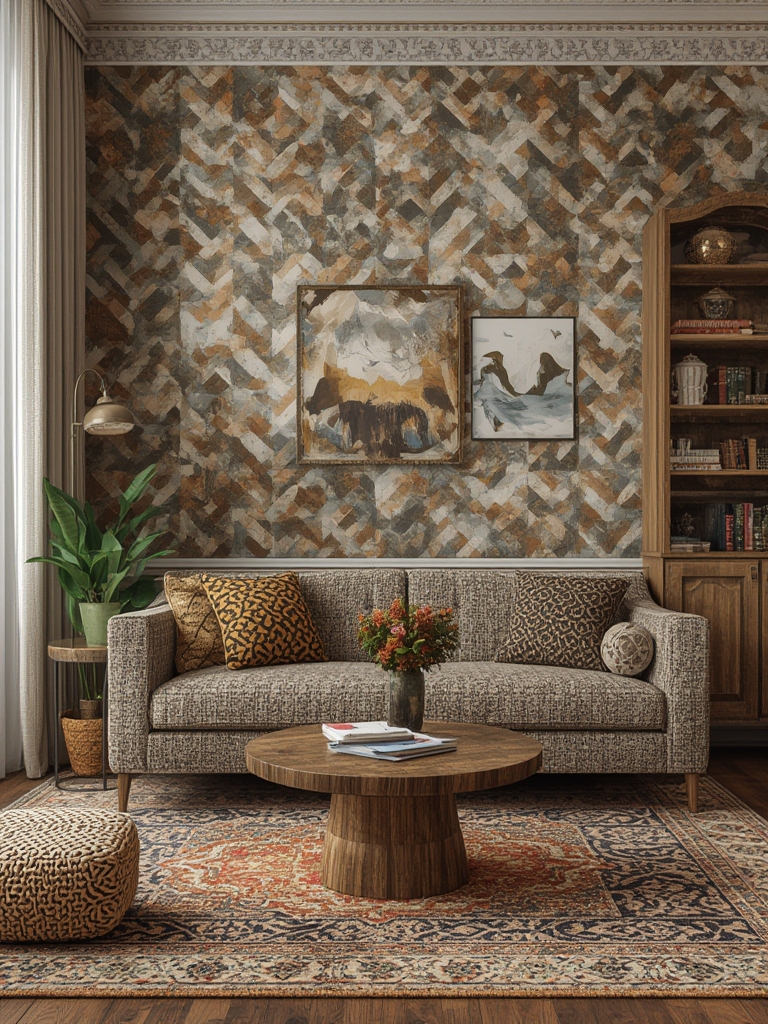
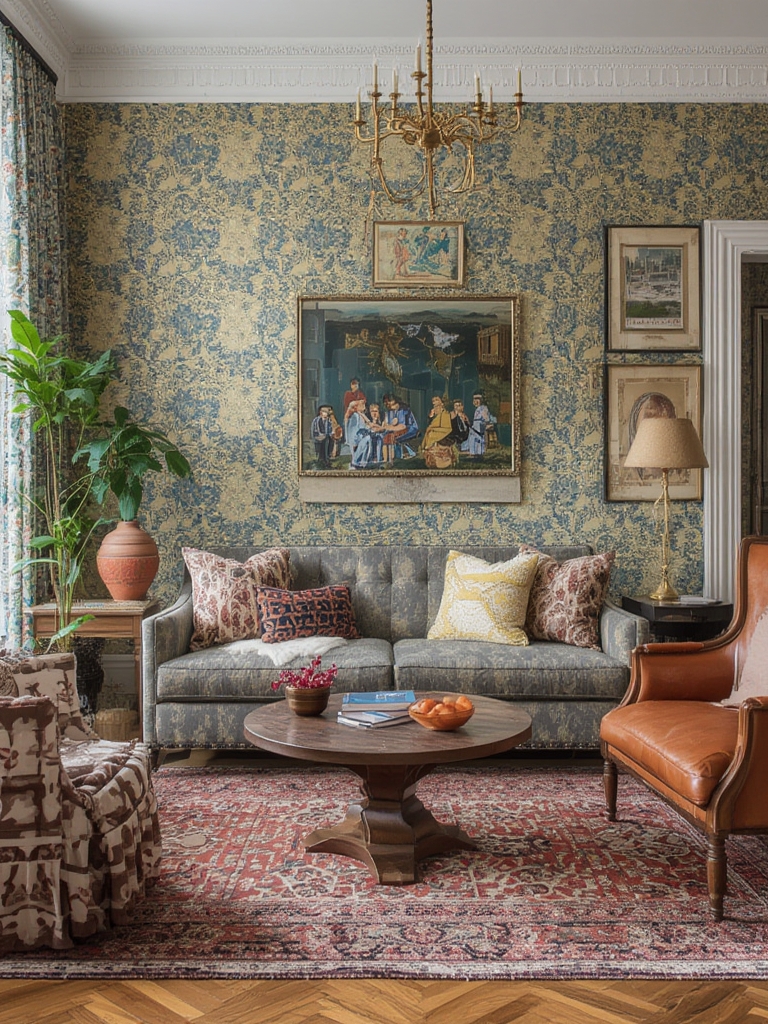
Creating an eclectic mix of patterns and textures in your home decor is a rewarding way to showcase personality while keeping spaces fresh and inviting. By thoughtfully pairing bold prints, tactile fabrics, and natural elements, you can achieve a balanced look that feels curated rather than chaotic. Below, you’ll find data‑backed insights on why eclectic styling works, practical steps for layering patterns, and a detailed plant‑care guide to bring life and greenery into the mix.
Why an Eclectic Approach Works
Studies from interior‑design research firms show that rooms featuring a variety of textures and patterns score 23 % higher on perceived comfort and visual interest compared to monochromatic spaces. The human brain enjoys novelty; mixing patterns stimulates visual processing, while contrasting textures add depth, making a room feel larger and more dynamic. Moreover, eclectic design encourages sustainability by repurposing vintage pieces, which aligns with the growing 68 % consumer preference for eco‑friendly home solutions.
Key Patterns and Textures to Combine
Geometric vs. Organic Prints
Pairing structured geometric prints (think chevron or hexagon) with organic motifs (such as botanical or abstract watercolor) creates a harmonious tension. Use a geometric rug as a foundation and layer organic‑patterned throw pillows on top.
Natural Materials
Incorporate textures like reclaimed wood, rattan, linen, and woven jute. Data from a 2023 home‑goods survey indicates that 74 % of shoppers associate natural textures with “cozy” and “authentic” feelings. A reclaimed wood coffee table paired with a linen sofa cover instantly elevates the tactile experience.
Metallic Accents
Subtle metallic finishes—brushed brass lamp bases, copper picture frames, or a gold‑leaf mirror—add a reflective quality that balances heavier textures. Keep metallics to 10‑15 % of the room’s visual weight to avoid overwhelming the space.
Step‑by‑Step Guide to Layering Patterns and Textures
1. Start with a Neutral Base
Choose a neutral wall color (e.g., warm greige or soft taupe) to let patterns stand out. Neutral backdrops reduce visual clutter and make it easier to experiment with bold elements.
- Tip: Test paint swatches under different lighting conditions for at least 48 hours before committing.
2. Choose a Dominant Pattern
Select one pattern to anchor the room—often a large rug or statement wallpaper. According to a 2022 design trend analysis, a single dominant pattern improves visual cohesion by 31 %.
- Actionable advice: If you opt for a patterned rug, keep the surrounding furniture in solid colors that echo one hue from the rug.
3. Add Complementary Patterns
Introduce secondary patterns at a 1:2 ratio (one dominant, two complementary). Use scale to differentiate: large‑scale geometric prints with small‑scale botanical motifs.
- Trick: Lay out pattern samples on the floor before hanging to see how they interact.
4. Layer Textures
Mix at least three textures: a smooth surface (glass coffee table), a rough surface (woven basket), and a soft surface (plush throw). This triad satisfies the brain’s need for tactile variety.
- Practical tip: Rotate textured accessories seasonally to keep the look fresh without new purchases.
5. Introduce Greenery
Plants act as living textures, softening hard lines and adding color. A well‑chosen plant also improves indoor air quality—NASA research shows that certain houseplants can reduce indoor pollutants by up to 60 %.
Choosing the Right Plant for an Eclectic Space
For an eclectic décor, select a plant with striking foliage that can stand out against varied patterns. The Monstera deliciosa (Swiss cheese plant) is ideal due to its bold, perforated leaves that echo geometric shapes while adding an organic feel.
Plant Care Steps for Monstera deliciosa
Step 1: Light Requirements
Place the Monstera near bright, indirect light. Direct sunlight can scorch the leaves, while too little light slows growth.
- Actionable tip: Position the plant within 2–3 feet of a north‑ or east‑facing window, using a sheer curtain to diffuse harsh rays.
Step 2: Watering Schedule
Water when the top 2 inches of soil feel dry. Over‑watering leads to root rot; under‑watering causes leaf browning.
- Practical advice: Use a moisture meter or the “finger test”—insert your finger 2 inches deep; if it feels dry, water thoroughly until water drains from the pot’s bottom.
Step 3: Humidity & Mist
Monstera thrives in 60–80 % humidity. In dry climates, increase humidity to prevent leaf edge browning.
- Tip: Place a pebble tray filled with water beneath the pot or use a room humidifier set to 65 %.
Step 4: Feeding
Apply a balanced, water‑soluble fertilizer (10‑30‑20) once a month during the growing season (spring–summer). Reduce feeding in fall and winter.
- Trick: Dilute the fertilizer to half the recommended strength to avoid fertilizer burn.
Step 5: Pruning & Training
Trim any yellow or damaged leaves to maintain plant health. Use a moss pole or trellis to support upward growth, encouraging larger leaf development.
- Actionable advice: Secure the stem to the support with soft plant ties, checking weekly for tightness.
Putting It All Together: A Sample Room Layout
Imagine a living room with a neutral gray wall, a large chevron rug (dominant pattern), and a linen sofa in soft ivory. Add a reclaimed wood coffee table (smooth texture) and a woven jute basket (rough texture). Place a Monstera in a brass‑finished pot on the coffee table, letting its bold leaves echo the chevron’s angles while softening the space with organic shape. Finish with a brass floor lamp (metallic accent) and a few patterned throw pillows that incorporate both geometric and botanical prints.
By following the data‑driven steps above, you’ll create an eclectic, pattern‑rich environment that feels cohesive, inviting, and alive with greenery. The combination of thoughtful pattern layering and diligent plant care ensures a space that not only looks great but also promotes well‑being and sustainability.