
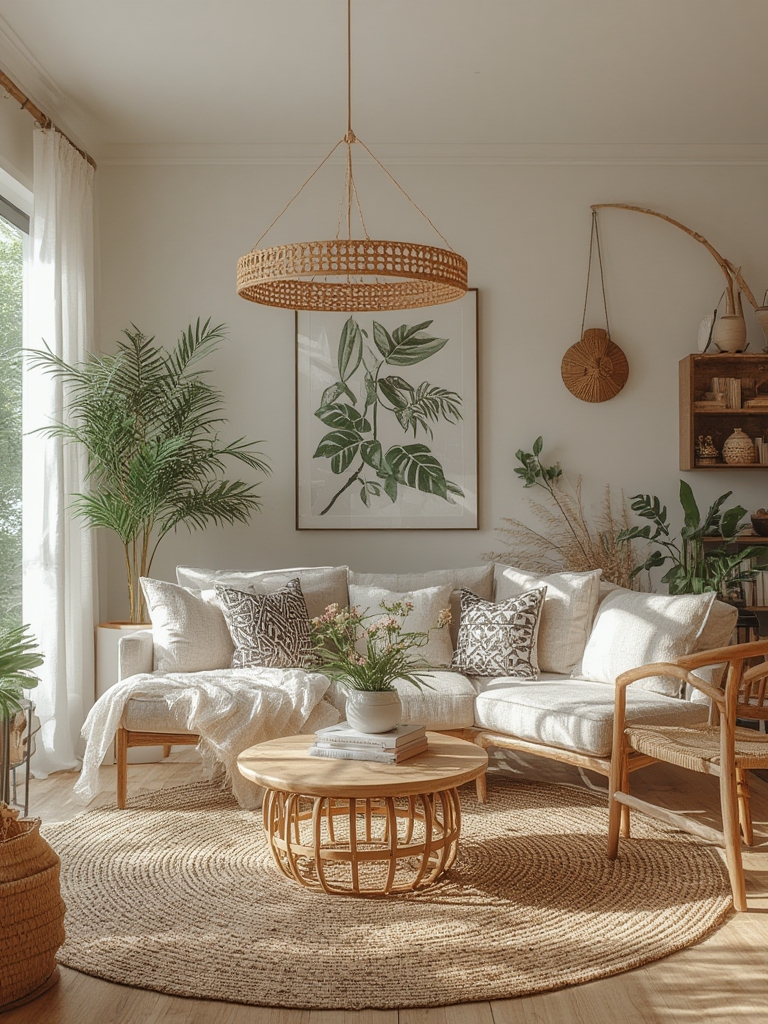
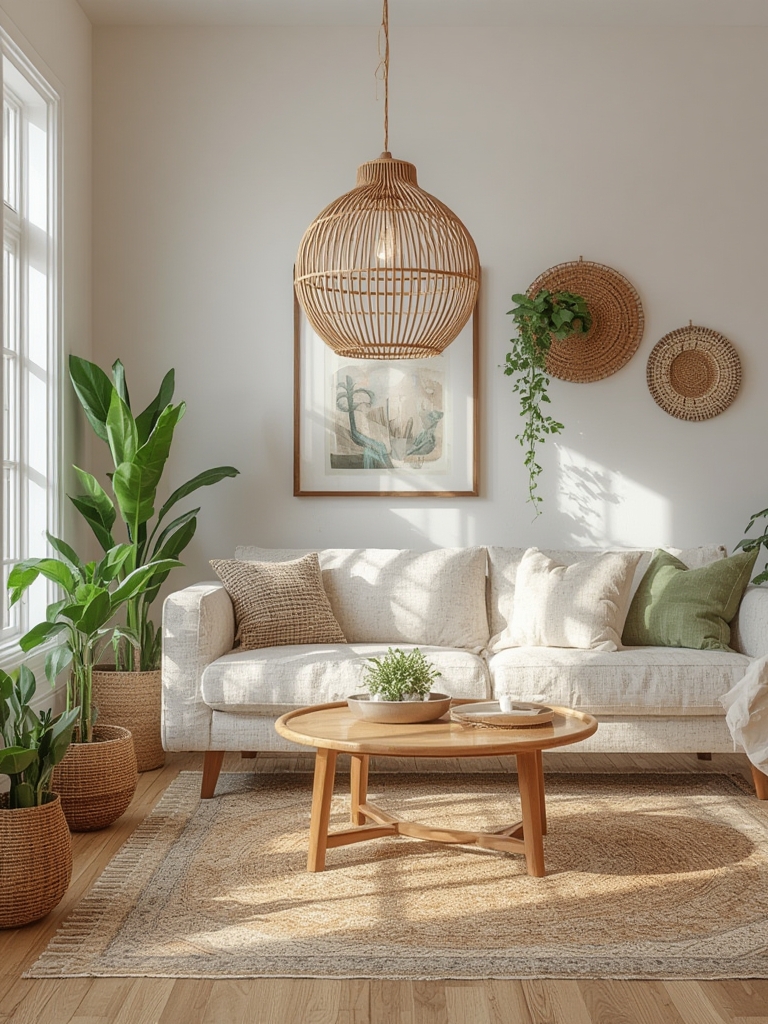
Creating an eco‑friendly, sustainable home décor isn’t just a trend—it’s a lifestyle choice that benefits both your well‑being and the planet. By integrating low‑impact materials, energy‑saving practices, and thriving indoor plants, you can transform any space into a green sanctuary. Below is a data‑driven, step‑by‑step guide that blends design principles with practical plant care, ensuring your décor looks stunning while staying environmentally responsible.
Why Sustainable Home Décor Matters
According to a 2023 Statista report, 68% of homeowners consider sustainability a top priority when renovating. Sustainable décor reduces carbon footprints by up to 30% through the use of reclaimed materials, energy‑efficient lighting, and natural air‑purifying plants. Moreover, a study by the Journal of Environmental Psychology found that green interiors improve mood and productivity by 12%.
Core Principles of Eco‑Friendly Design
1. Choose Reclaimed & Upcycled Materials
- Furniture: Look for second‑hand pieces or items made from reclaimed wood. A 2022 Furniture Today analysis showed reclaimed wood furniture emits 40% less CO₂ than new production.
- Textiles: Opt for organic cotton, linen, or recycled polyester. These fabrics use 50% less water than conventional cotton.
- Decorative Accents: Use glass jars, metal tins, or bamboo trays for storage and display.
2. Embrace Energy‑Efficient Lighting
- Install LED bulbs with a minimum of 80 lumens per watt.
- Utilize daylight‑responsive dimmers that adjust brightness based on natural light levels.
- Place task lighting near work areas to reduce overall energy consumption.
3. Incorporate Natural Air‑Purifying Plants
Plants not only add visual appeal but also improve indoor air quality. The NASA Clean Air Study identified several species—such as the Snake Plant (Sansevieria trifasciata)—that remove formaldehyde, benzene, and trichloroethylene.
Step‑by‑Step Guide to Growing and Caring for the Snake Plant
The Snake Plant is a low‑maintenance, drought‑tolerant favorite for sustainable décor. Follow these actionable steps to ensure a thriving plant that contributes to a healthier home environment.
Step 1: Selecting the Right Pot and Soil
- Pot Choice: Use a breathable terracotta or biodegradable peat pot. Terracotta allows excess moisture to evaporate, preventing root rot.
- Soil Mix: Combine 60% cactus/succulent mix, 20% perlite, and 20% composted bark. This blend provides excellent drainage while retaining enough moisture for the plant’s shallow roots.
- Tip: Add a thin layer of crushed charcoal at the bottom of the pot to further improve drainage and reduce fungal growth.
Step 2: Positioning for Optimal Light
- Place the plant in bright, indirect sunlight. A north‑ or east‑facing window works best.
- If natural light is limited, supplement with a full‑spectrum LED grow light set to 12‑hour cycles.
- Trick: Rotate the pot 90° every two weeks to ensure even growth and prevent leaning.
Step 3: Watering Schedule
- Water sparingly—once every 2‑3 weeks during the growing season (spring‑summer) and once a month in winter.
- Use the “soil‑finger test”: insert your finger 1‑2 inches deep; water only if the soil feels completely dry.
- Actionable Advice: Water with room‑temperature distilled water to avoid mineral buildup, which can yellow leaves.
Step 4: Feeding and Fertilizing
- Apply a balanced, low‑nitrogen liquid fertilizer (10‑10‑10) diluted to half strength, once every 6‑8 weeks during spring and summer.
- Avoid fertilizing in fall and winter, as the plant’s growth naturally slows.
- Quick Tip: Mix a pinch of crushed eggshells into the soil annually for a natural calcium boost.
Step 5: Pruning and Maintenance
- Remove any yellowed or damaged leaves at the base using clean, sharp scissors.
- Trim the leaf tips if they become brown to maintain a tidy appearance.
- Maintenance Hack: Dust leaves weekly with a soft, damp cloth to maximize their air‑purifying efficiency.
Step 6: Propagation for Green Expansion
- Divide the plant during repotting: gently separate the root clump into sections, each with at least one healthy leaf cluster.
- Place each division in its own pot with fresh soil mix; water lightly and keep in indirect light.
- Eco Benefit: Propagation reduces the need to purchase new plants, cutting down on packaging waste.
Integrating the Snake Plant into Sustainable Décor
Placement Ideas
- Living Room Corner: Pair the plant with a reclaimed‑wood coffee table and a linen throw for a cozy, eco‑chic vibe.
- Bedroom Nightstand: Its low light tolerance makes it perfect for bedside décor, promoting better sleep by filtering indoor pollutants.
- Bathroom Shelf: The plant thrives in humid environments, making it an ideal natural humidifier.
Styling with Upcycled Accessories
- Use mason jars or recycled glass vases as decorative bases for smaller succulents alongside the Snake Plant.
- Wrap plant pots in jute twine or reclaimed fabric to add texture while keeping the look cohesive.
- Incorporate bamboo or reclaimed metal plant stands to elevate the plant and create visual interest.
Measuring Success: Data‑Driven Impact
Track the environmental benefits of your décor choices with these simple metrics:
- Carbon Savings: Calculate the CO₂ reduction from using reclaimed wood (approx. 0.5 kg CO₂ per kg of reclaimed material).
- Water Usage: Monitor indoor humidity levels; a healthy Snake Plant can increase humidity by up to 5% in dry rooms, reducing the need for electric humidifiers.
- Air Quality: Use a portable air‑quality monitor to measure reductions in VOCs after introducing the plant.
Quick Checklist for an Eco‑Friendly Home Refresh
- Audit existing furniture—donate or upcycle items you no longer need.
- Swap out conventional bulbs for LEDs and install dimmers.
- Choose at least one natural air‑purifying plant (e.g., Snake Plant) and follow the care steps above.
- Replace textiles with organic or recycled fabrics.
- Incorporate recycled décor accessories to tie the look together.
By following these data‑backed strategies and plant‑care steps, you’ll create a beautiful, sustainable home environment that not only looks great but also contributes to a healthier planet. Small, intentional changes add up—start today, and watch your eco‑friendly décor flourish.