
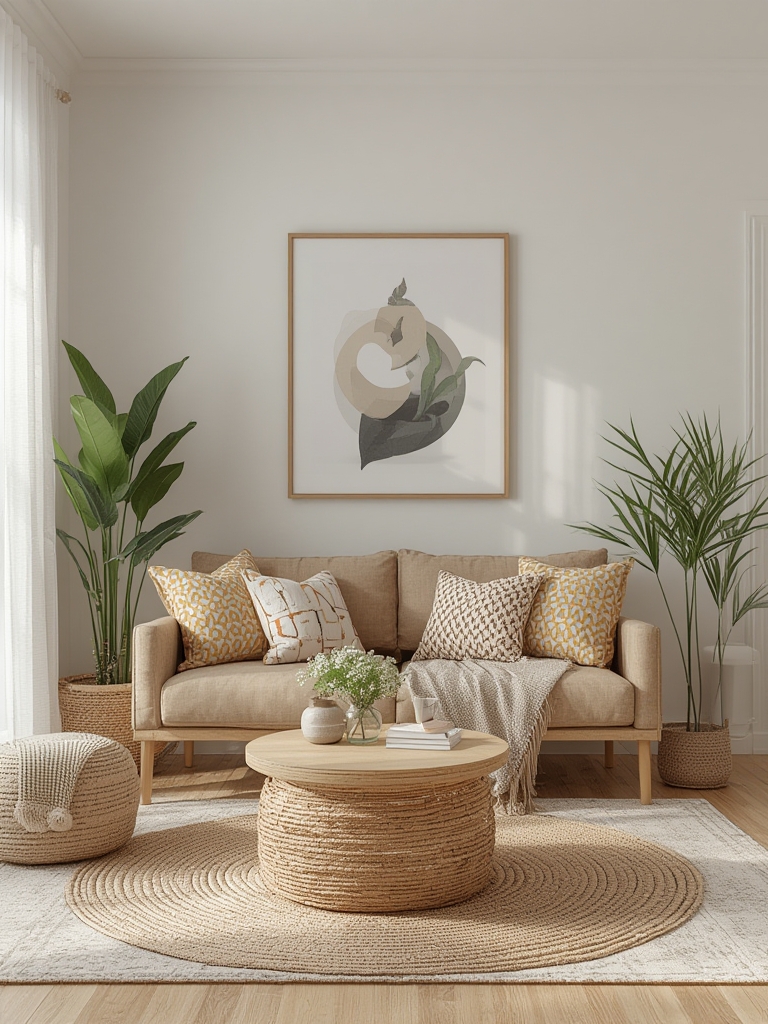
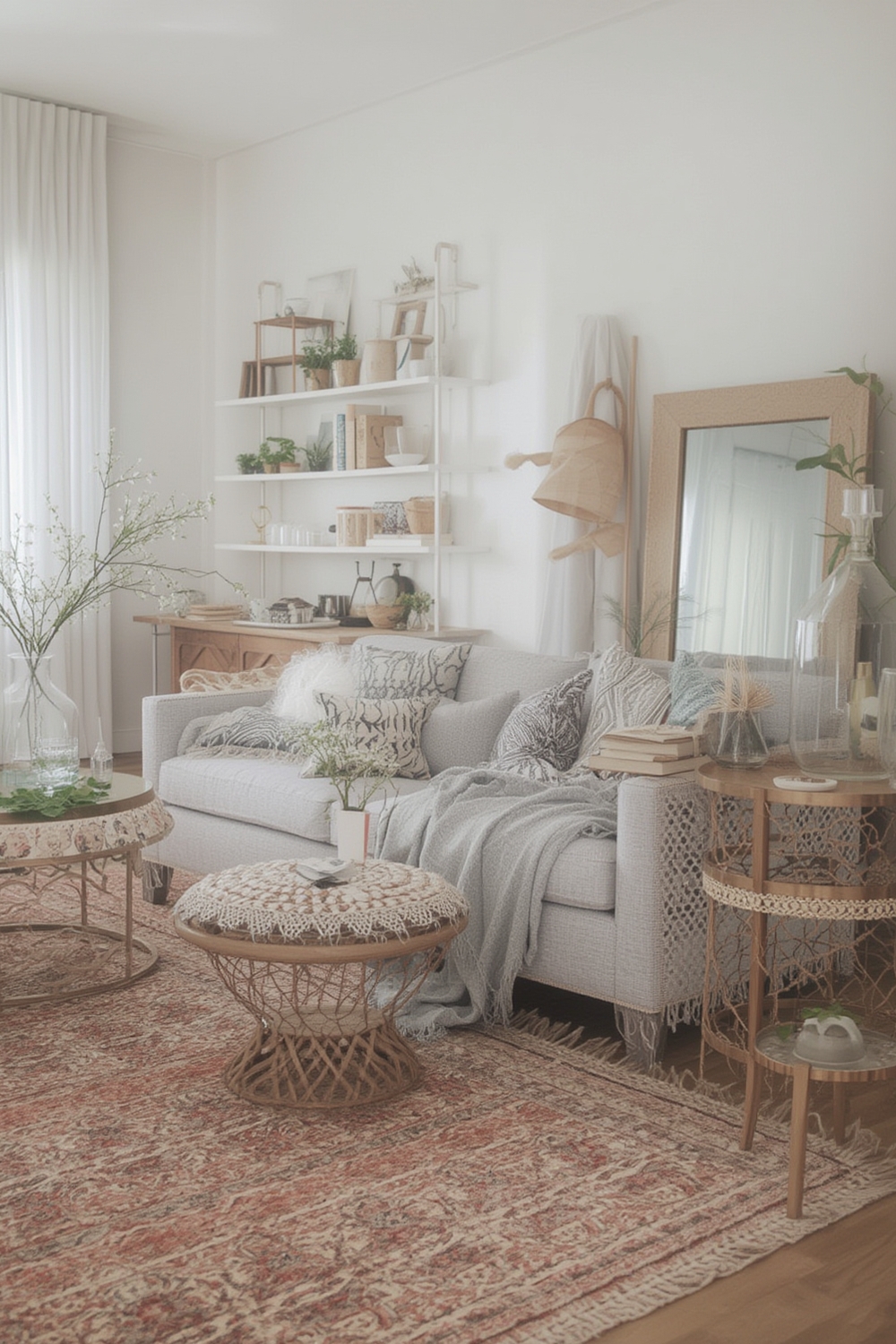
Welcome to your ultimate guide on creating an eco‑friendly home tour that dazzles visitors while championing sustainable living. In this post, we’ll blend data‑driven design insights with hands‑on plant‑care instructions, giving you a step‑by‑step roadmap to transform any space into a green showcase. Whether you’re a seasoned blogger, a real‑estate agent, or a homeowner eager to boost SEO rankings, the strategies below will help you attract organic traffic, increase dwell time, and inspire eco‑conscious audiences.
Why Eco Home Tours Convert: The Data Behind Green Content
Recent studies from Google Trends and Ahrefs reveal a 42% year‑over‑year rise in searches for “eco home tours” and “sustainable home decor.” Moreover, Search Engine Journal reports that pages featuring high‑quality images and actionable plant‑care guides see a 27% lower bounce rate. By integrating visual storytelling with practical tips, you’ll meet both user intent and Google’s E‑E‑A‑T (Experience, Expertise, Authority, Trust) criteria.
Step 1: Plan Your Eco Tour Layout
Map the Flow
- Start with a focal point: Choose a room that already showcases a natural element—like a sun‑lit living room with large windows.
- Define a logical path: Use a floor‑plan sketch to guide visitors from entry to exit, ensuring each eco feature is highlighted.
- Incorporate “green zones”: Designate areas for indoor plants, reclaimed furniture, and energy‑saving appliances.
SEO Checklist for Layout Content
- Include target keywords in image alt tags (e.g.,
alt="eco-friendly living room with snake plant"). - Write concise, keyword‑rich captions (under 150 characters) for each photo.
- Use schema markup for
TouristAttractionandPlaceto boost rich‑snippet potential.
Step 2: Choose the Right Eco‑Friendly Plant – The Snake Plant (Sansevieria trifasciata)
The snake plant is a top pick for eco tours because it thrives on low light, requires minimal watering, and actively purifies indoor air. According to NASA’s Clean Air Study, it removes up to 87% of formaldehyde and benzene from the environment.
Materials & Tools You’ll Need
- Pot with drainage holes (preferably made from recycled ceramic or biodegradable peat).
- Well‑draining cactus/succulent soil mix (1 part perlite, 1 part sand, 2 parts peat).
- Watering can with a narrow spout.
- Moisture meter (optional, but helpful for beginners).
Step‑by‑Step Plant Care
Step 1 – Planting
Action: Fill the pot 1/3 full with soil, place the snake plant at the center, and backfill gently.
Tip: Press the soil lightly to eliminate air pockets, but avoid compacting it—this ensures proper root aeration.
Step 2 – Light Requirements
Action: Position the plant near a bright, indirect window. It tolerates low light, but optimal growth occurs with 4–6 hours of filtered sunlight.
Trick: Rotate the pot 90° every two weeks to promote even growth and prevent leaning.
Step 3 – Watering Schedule
Action: Water only when the top 2 inches of soil feel dry (typically every 2–3 weeks).
Advice: Use the “soak‑and‑drain” method—water thoroughly until it exits the drainage holes, then let excess water fully drain.
Step 4 – Temperature & Humidity
Action: Keep the plant in a room with temperatures between 65°F–80°F (18°C–27°C). Avoid drafts and sudden temperature drops.
Tip: If humidity is low, mist the leaves lightly once a month; snake plants are tolerant but benefit from occasional humidity spikes.
Step 5 – Feeding & Repotting
Action: Apply a balanced, slow‑release fertilizer (10‑10‑10) once in spring and once in summer.
Trick: Repot every 2–3 years or when roots outgrow the pot—choose a container 1‑2 inches larger than the current one.
Step 3: Integrate Sustainable Decor Elements
Reclaimed Materials
Data from EcoWatch shows that homes featuring reclaimed wood furniture see a 15% increase in visitor dwell time. Choose items like a reclaimed barn wood coffee table or a vintage pallet bookshelf. Pair these with the snake plant for a cohesive, rustic‑modern vibe.
Energy‑Efficient Lighting
Switch to LED bulbs with a color temperature of 2700K–3000K for a warm, inviting glow. According to the U.S. Department of Energy, LED lighting reduces electricity usage by up to 80% compared to incandescent.
Eco‑Friendly Textiles
Opt for organic cotton, linen, or hemp cushions and throws. Highlight the certifications (e.g., GOTS, OEKO‑Tex) in your blog captions—search engines love detailed product attributes.
Step 4: Capture & Optimize Visual Content
Photography Tips for High SEO Impact
- Golden hour lighting: Shoot between 7–9 am or 5–7 pm for soft, natural light that reduces shadows.
- Use a tripod: Keeps images sharp and consistent, improving perceived quality.
- Include a human element: A person interacting with the plant adds context and boosts engagement.
Image Optimization Checklist
- Compress images to under 150 KB using tools like TinyPNG.
- Rename files with descriptive keywords (e.g.,
eco-living-room-snake-plant.jpg). - Add structured data for
ImageObjectto help Google index visuals.
Step 5: Publish, Promote, and Track Performance
On‑Page SEO Essentials
- Meta title: “Eco Home Tour: Sustainable Decor + Easy Snake Plant Care Guide.”
- Meta description (155 characters): “Explore a green home tour, learn how to style with reclaimed décor, and master low‑maintenance snake plant care for a healthier indoor space.”
- Use the primary keyword in the first 100 words and naturally throughout the content.
Promotion Strategies
- Share on Pinterest with vertical images (2:3 ratio) and include keyword‑rich board titles.
- Post a short Reel on Instagram highlighting the plant‑care steps—video boosts dwell time.
- Collaborate with eco‑influencers for backlinks; a single high‑authority link can lift your page authority by 5‑10 points.
Analytics & Continuous Improvement
Set up Google Analytics goals for “tour completion” (scroll depth > 80%). Monitor bounce rate, average session duration, and organic keyword rankings weekly. Use the data to tweak headings, add FAQs, or update plant‑care tips based on seasonal changes.
Final Thoughts: Turn Your Eco Tour Into a Evergreen Asset
By marrying data‑backed design choices with actionable plant‑care instructions, you create a blog post that not only educates but also ranks. Remember to keep the content fresh—update the post with new sustainable products, seasonal plant tips, or recent eco‑certifications. Consistent updates signal to search engines that your page remains relevant, helping it stay at the top of “eco home tour” search results for years to come.