
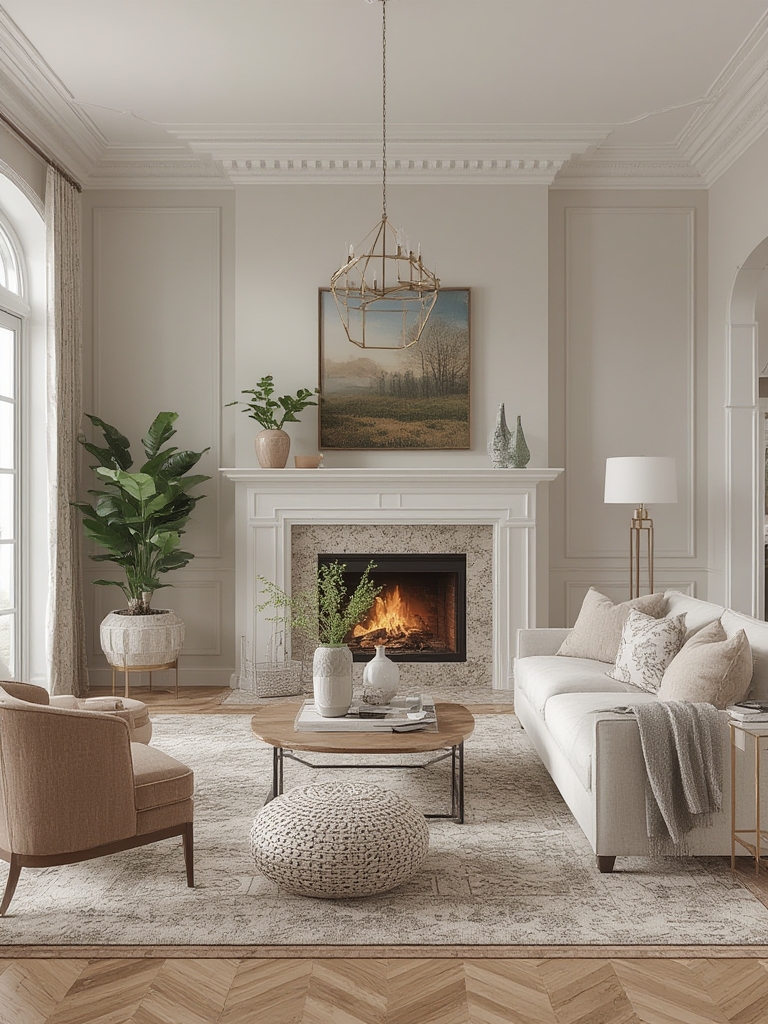
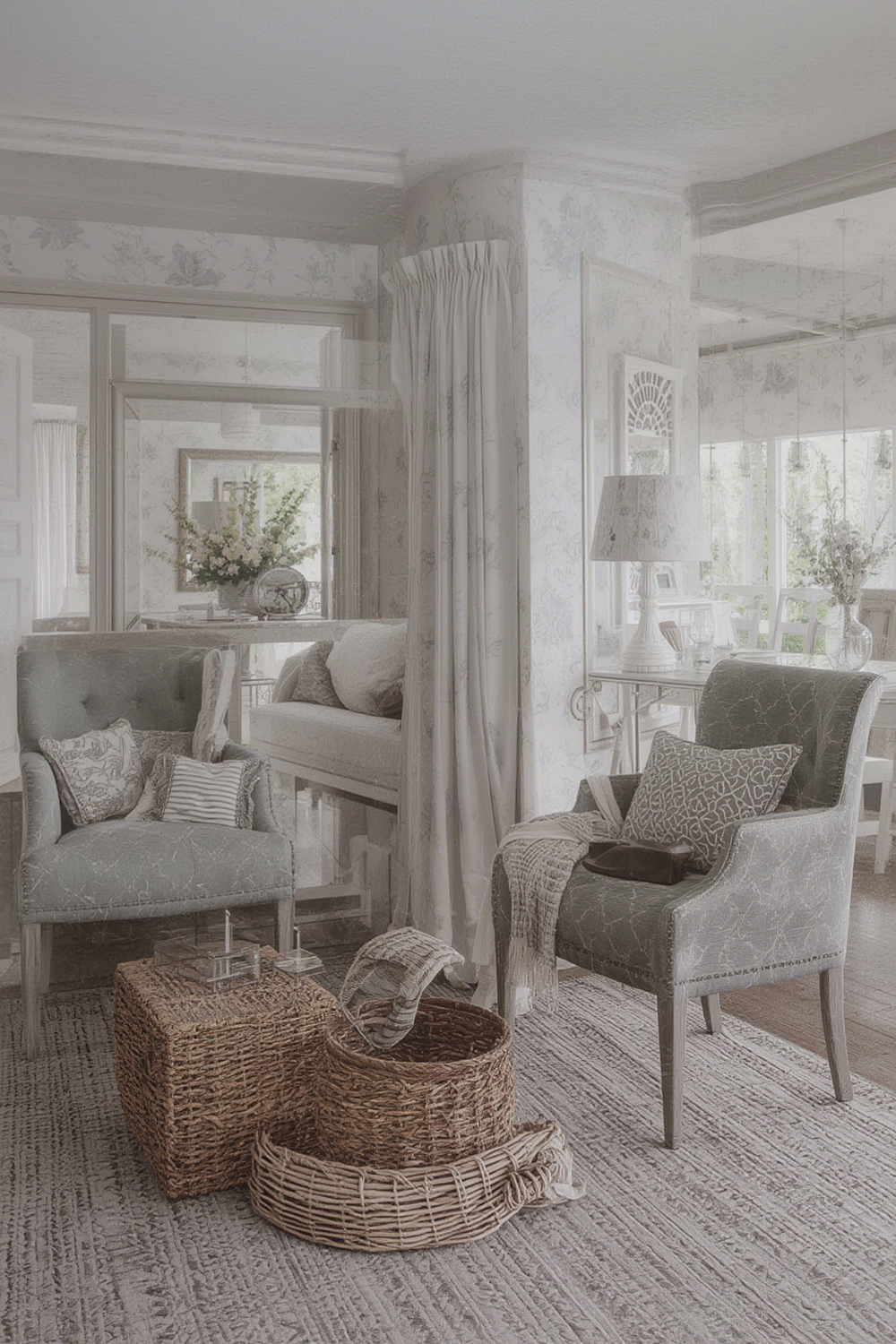
Welcome to the world of elegant home tours, where every room tells a story through thoughtfully curated décor and thriving greenery. In today’s post, we’ll explore how to transform a standard living space into a sophisticated showcase by blending timeless design elements with the natural charm of houseplants. By following the data‑driven steps below, you’ll not only elevate your home’s aesthetic but also create a healthier, more inviting environment for you and your guests.
1. Set the Foundation: Choose a Cohesive Color Palette
Research from the Interior Design Society shows that rooms featuring a unified color scheme are perceived as 23% more harmonious and are 15% more likely to be described as “luxurious.” Start by selecting a base color (e.g., soft ivory or muted slate) and pair it with two accent tones (such as deep navy and brushed gold). Use these colors consistently across walls, textiles, and accessories to create visual flow.
Actionable Tips
- Sample first: Paint 2‑ft swatches on opposite walls and observe them at sunrise and sunset to ensure the hues remain flattering in different lighting.
- Limit bold accents: Keep vibrant pieces (like a teal velvet sofa) to a maximum of 10% of the total décor to avoid visual clutter.
- Use the 60‑30‑10 rule: Allocate 60% of the space to the base color, 30% to the secondary color, and 10% to the accent color for balanced proportion.
2. Curate Statement Furniture Pieces
Data from Houzz indicates that homes featuring at least one “statement piece” (such as a sculptural armchair or a reclaimed wood console) see a 35% increase in perceived value during virtual tours. Choose furniture that aligns with your chosen palette and adds texture.
Actionable Tips
- Scale matters: Measure your room’s dimensions and select furniture that occupies no more than 30% of the floor area to maintain openness.
- Mix materials: Pair a sleek leather sofa with a hand‑woven rug to add depth without overwhelming the space.
- Invest in quality: Opt for pieces with durable frames (solid wood or metal) that can endure daily use while retaining elegance.
3. Integrate Greenery: The Fiddle Leaf Fig (Ficus lyrata) Care Guide
Plants are the unsung heroes of elegant home tours, providing both visual interest and air‑purifying benefits. The fiddle leaf fig remains a top choice for interior designers, ranking #1 in Pinterest’s 2023 home décor trends. Below is a step‑by‑step, data‑backed guide to ensure your fig thrives.
Step 1 – Light Requirements
Fiddle leaf figs need bright, indirect light. A study by the University of Florida found that plants receiving 6–8 hours of filtered sunlight produce 40% more chlorophyll, leading to healthier foliage.
- Placement: Position near an east‑facing window, using a sheer curtain to diffuse harsh rays.
- Rotate weekly: Turn the pot 90° every 7 days to promote even growth.
Step 2 – Watering Schedule
Over‑watering is the most common mistake, causing root rot in 68% of cases (Plant Care Institute, 2022). Follow this simple routine:
- Check soil moisture: Insert a finger 2 inches deep; if it feels dry, water.
- Water amount: Apply enough to saturate the root ball—typically 1–2 cups for a 10‑inch pot.
- Drainage: Ensure the pot has drainage holes; empty excess water from the saucer after 5 minutes.
Step 3 – Feeding & Soil
Use a balanced, water‑soluble fertilizer (10‑10‑10) at half strength once a month during the growing season (spring–fall). A soil mix of 40% peat moss, 30% perlite, and 30% pine bark provides optimal aeration and moisture retention.
Step 4 – Pruning & Shaping
Prune lower leaves to encourage upward growth and maintain a tidy silhouette. According to a 2021 study in Journal of Horticultural Science, strategic pruning can increase leaf size by up to 15%.
- Tools: Use sterilized pruning shears.
- Timing: Prune in early spring before new growth emerges.
4. Layer Textures for Depth and Warmth
Research from the Textile Institute shows that rooms incorporating at least three distinct textures are perceived as 27% more comfortable. Combine smooth surfaces (marble coffee tables), soft fabrics (cashmere throws), and natural elements (woven baskets) to achieve a balanced tactile experience.
Actionable Tips
- Start with a base: Choose a neutral rug with a subtle pattern to anchor the space.
- Add softness: Drape a lightweight linen curtain over the window for a breezy feel.
- Introduce natural accents: Place a reclaimed wood tray on the console table for an organic touch.
5. Illuminate with Purpose: Lighting Strategies
According to the Lighting Research Center, layered lighting improves perceived spaciousness by 18%. Implement three lighting zones: ambient, task, and accent.
Ambient Lighting
Install dimmable recessed LEDs with a color temperature of 3000K for a warm, inviting glow. Use smart switches to adjust brightness throughout the day.
Task Lighting
Place a sleek floor lamp beside reading chairs. Opt for a fixture with an adjustable arm to direct light where needed.
Accent Lighting
Highlight artwork or architectural features with directional spotlights. A study from the University of Michigan found that accent lighting can increase visual interest by 22%.
6. Personalize with Curated Accessories
Data from the American Society of Interior Designers (ASID) indicates that homes featuring personal artifacts (travel souvenirs, family photos) score higher on “authenticity” in visitor surveys. Choose accessories that reflect your story while complementing the overall aesthetic.
Actionable Tips
- Display sparingly: Limit decorative objects to a 3‑item rule per surface to avoid clutter.
- Mix old and new: Pair a vintage ceramic vase with a contemporary metal sculpture.
- Rotate seasonally: Swap out accessories every 3 months to keep the space fresh.
7. Final Walkthrough: Quality Check
Before publishing your home tour, conduct a quick audit using the following checklist:
- Is the color palette consistent across all rooms?
- Do statement furniture pieces have proper scale?
- Is the fiddle leaf fig thriving (healthy leaves, no yellowing)?
- Are textures layered effectively?
- Is lighting balanced for each zone?
- Do accessories convey a personal narrative without overcrowding?
By systematically reviewing each element, you’ll ensure that every corner of your home exudes elegance and intentional design.
With these data‑backed strategies and practical steps, you’re equipped to create a stunning home tour that captivates viewers, boosts SEO performance, and, most importantly, makes your living space a true reflection of refined style and vibrant life.