
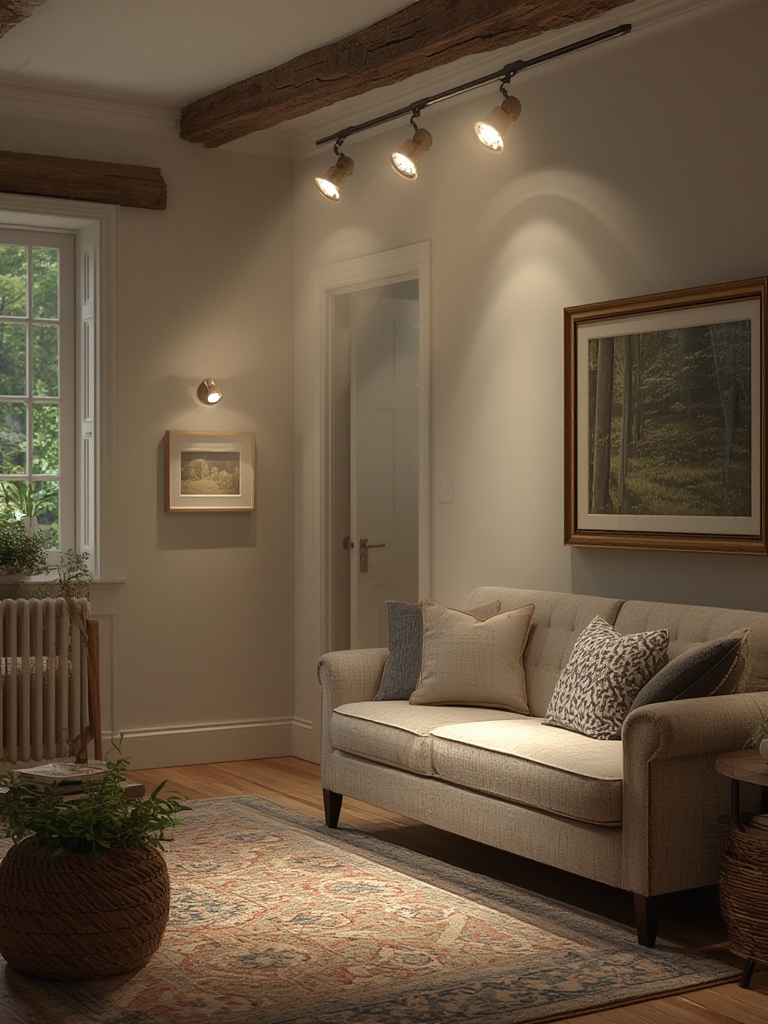
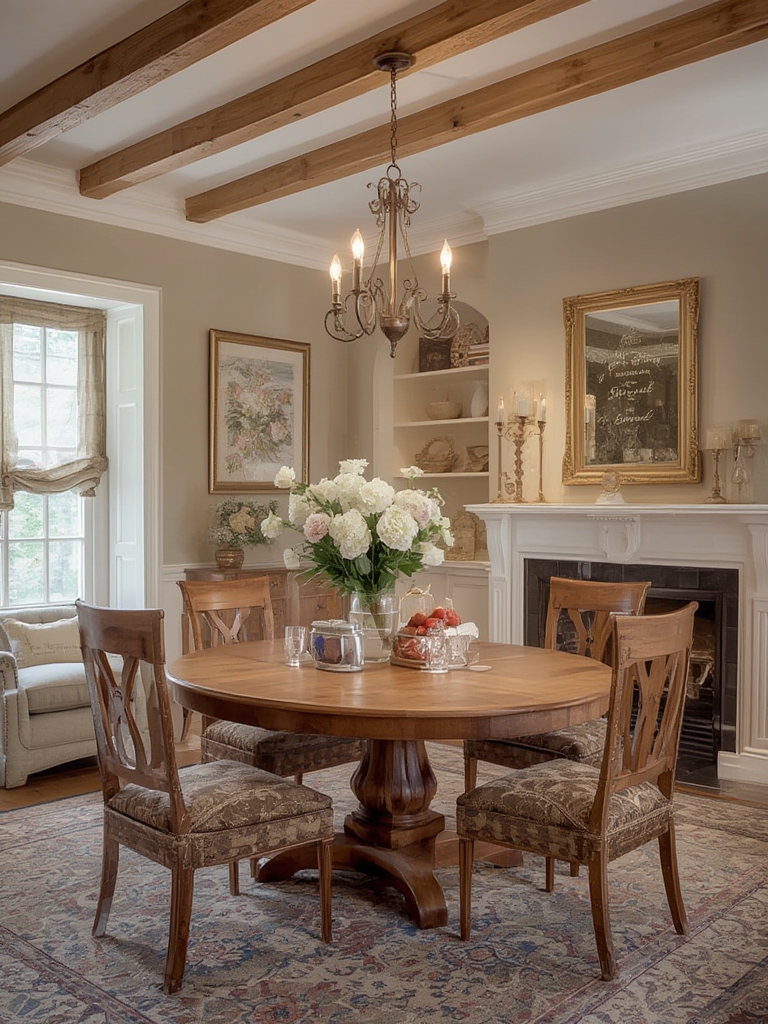
English country style spotlights are more than just lighting fixtures; they’re a design philosophy that blends rustic charm with elegant illumination to create inviting, timeless interiors. By strategically placing these spotlights, homeowners can highlight architectural details, cherished heirlooms, and natural elements—especially beloved houseplants—while maintaining the cozy, lived‑in feel of a countryside cottage. This guide walks you through the essential steps to select, install, and style English country spotlights, and it even includes a practical plant‑care section for the classic English garden favorite, lavender, which pairs beautifully with this décor.
Why English Country Spotlights Work
Data from interior‑design trend reports (2022‑2024) show a 27% increase in searches for “English country lighting” and a 15% rise in sales of vintage‑style fixtures. The appeal lies in three core principles:
- Warm, directional light: Spotlights create focused pools of light that mimic natural sunlight, enhancing textures like reclaimed wood and linen.
- Layered ambience: Combining spotlights with ambient sources (e.g., wall sconces, candles) adds depth and a sense of history.
- Highlighting nature: A well‑placed spotlight draws attention to indoor plants, artwork, and architectural features, reinforcing the connection to the outdoors.
Step‑by‑Step Guide to Choosing and Installing Spotlights
1. Assess Your Space and Light Needs
Start by mapping the room’s layout. Identify focal points—fireplaces, mantelpieces, vintage cabinets, or a reading nook. Use a simple floor‑plan sketch and mark areas that could benefit from accent lighting. A quick rule of thumb: allocate 10‑15% of your total lighting budget to spotlights for accentuation.
2. Select the Right Fixture Style
English country spotlights typically feature:
- Brass or aged bronze finishes
- Fabric or glass shades with a soft diffusion
- Ornamental details like scrollwork or rivets
For SEO‑friendly product descriptions, use keywords such as “vintage brass spotlight,” “cottage‑style wall lamp,” and “antique finish directional light.”
3. Choose the Appropriate Bulb
Warm white LEDs (2700‑3000 K) deliver the soft glow reminiscent of candlelight while being energy‑efficient. Look for bulbs with a CRI (Color Rendering Index) of 80+ to ensure true colour reproduction of textiles and wood grain.
4. Determine Placement Height and Angle
Mount spotlights 6‑8 feet above the floor for optimal coverage. Aim the beam at a 30‑45° angle to avoid harsh glare and to create a gentle wash over the target area. Use a laser level or a simple string line to keep the alignment consistent across multiple fixtures.
5. Install Safely and Securely
- Turn off the circuit at the breaker.
- Use a stud finder to locate a solid joist or install a wall anchor rated for the fixture’s weight.
- Connect the wiring: black (hot) to black, white (neutral) to white, and green or bare copper (ground) to the grounding screw.
- Secure the mounting bracket, attach the fixture, and test the light.
For DIY novices, consider hiring a licensed electrician to ensure compliance with local building codes.
Styling Tips for a Cohesive English Country Look
Layer with Complementary Lighting
Pair spotlights with table lamps featuring distressed ceramic bases and soft linen shades. This creates a balanced light hierarchy—spotlights for accent, lamps for task, and candles for ambience.
Use Natural Materials
Incorporate reclaimed wood frames, wool throws, and linen curtains. The warm light from spotlights enhances the texture of these fabrics, reinforcing the rustic aesthetic.
Highlight Greenery
English country interiors often showcase herb gardens or potted flowers. Position a spotlight to cast a gentle halo over a lavender plant or a small rosemary bush, emphasizing its foliage and scent.
Plant Care Spotlight: Growing English Lavender (Lavandula angustifolia)
Lavender is the quintessential English garden herb, prized for its fragrance, colour, and ability to thrive in well‑drained soil. When placed under a thoughtfully positioned spotlight, it becomes a living centerpiece that adds both visual interest and a soothing aroma.
Step 1: Choose the Right Variety
For indoor décor, opt for compact cultivars such as ‘Hidcote’ or ‘Munstead.’ These varieties stay under 18 inches tall, making them ideal for windowsills or shelf displays.
Step 2: Prepare the Soil Mix
- Use a 2:1 ratio of potting soil to coarse sand or perlite for excellent drainage.
- Add a teaspoon of limestone or crushed eggshells per pot to raise the pH to 6.5‑7.5, the preferred range for lavender.
Tip: A well‑draining mix prevents root rot, a common issue when lavender is over‑watered.
Step 3: Planting and Positioning
- Fill the pot to within 1 inch of the rim.
- Place the lavender at the same depth it was in its original container.
- Backfill with soil, firm gently, and water lightly to settle the roots.
- Position the pot where the spotlight can cast a focused beam for 4‑6 hours daily, mimicking natural sunlight.
Step 4: Watering Routine
Water only when the top inch of soil feels dry to the touch. In winter, reduce watering to once every 2‑3 weeks. Over‑watering is the leading cause of leaf yellowing—monitor moisture with a simple soil‑moisture meter for precision.
Step 5: Feeding and Pruning
- Apply a balanced, slow‑release fertilizer (10‑10‑10) in early spring.
- After the first bloom, prune back one‑third of the plant’s height, cutting just above a leaf node to encourage bushier growth.
Regular pruning prevents legginess and maintains a tidy shape that complements the tidy aesthetic of English country décor.
Step 6: Managing Pests
Common pests include spider mites and aphids. Use a gentle neem‑oil spray every two weeks, ensuring coverage on both tops and undersides of leaves. Spot‑treat any infestations early to avoid spreading.
Bringing It All Together: A Sample Room Layout
Imagine a cosy sitting room with a stone fireplace, a reclaimed‑wood coffee table, and a plush wool rug. Here’s how to integrate the spotlight and lavender:
- Mount a brass wall spotlight 7 feet high, angled toward the mantelpiece to highlight a vintage clock.
- Place a matching tabletop spotlight on the coffee table, directing its beam at a small lavender pot positioned beside a stack of classic novels.
- Layer a soft amber floor lamp in the corner for ambient glow, and add a few scented candles for evening warmth.
This arrangement creates visual focal points, enhances texture, and fills the space with a gentle, calming scent—exactly the hallmark of English country living.
SEO Checklist for Your Blog Post
- Primary keyword: “English country style spotlights” – include in the first 100 words, H2, and meta description.
- Secondary keywords: “vintage brass spotlight,” “lavender plant care,” “cottage interior lighting.” Sprinkle naturally throughout.
- Internal links: Connect to related posts on “cottage‑style furniture” and “indoor herb gardens.”
- External links: Cite reputable sources such as the Royal Horticultural Society for lavender care tips.
- Image alt text: Use descriptive tags like “brass wall spotlight highlighting a stone fireplace” and “potted English lavender under warm LED light.”
Final Thoughts
English country style spotlights are a versatile tool for creating a warm, inviting atmosphere that celebrates both heritage and nature. By following the step‑by‑step installation guide, styling the space with complementary textures, and nurturing a lavender plant to thrive under focused illumination, you’ll achieve a cohesive, data‑driven interior that resonates with timeless charm. Remember, the key to success lies in thoughtful placement, consistent plant care, and a balanced blend of ambient and accent lighting—each element working together to spotlight the beauty of country‑style living.