
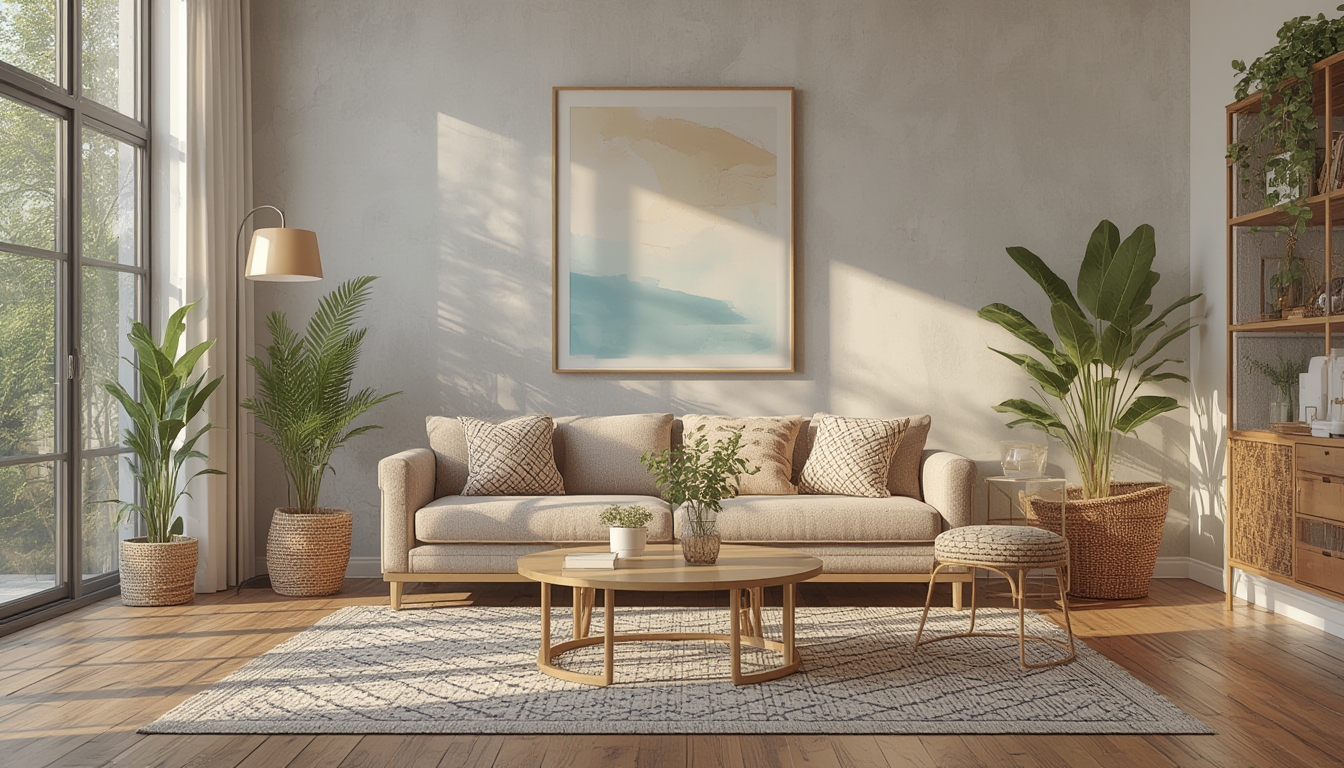
When we think about interior design, we often focus on aesthetics—color palettes, furniture shapes, and decorative accents. Yet, the true power of décor lies in its psychological impact on our well‑being. By understanding how colors, textures, lighting, and spatial arrangement affect mood and stress levels, you can intentionally craft spaces that nurture mental health, boost productivity, and promote relaxation. Below is a data‑driven, step‑by‑step guide to styling a room using decor psychology principles, complete with the tools you’ll need and actionable tips for each phase.
1. Assess the Space with a Psychological Lens
1.1 Conduct a Mood Survey
Start by gathering baseline data on how the room currently feels. Use a simple 5‑point Likert scale (1 = very stressful, 5 = very calming) and ask yourself or occupants to rate the following:
- Overall mood
- Energy level
- Focus ability
- Sense of comfort
Record the scores in a spreadsheet. This quantitative snapshot will help you measure the impact of each design change.
1.2 Map Light Sources
Using a light meter (or a smartphone app), measure the lux level at key zones: work desk, seating area, and sleeping nook. Ideal ranges, according to the Journal of Environmental Psychology, are:
- Work zones: 300–500 lux
- Relaxation zones: 100–300 lux
- Sleep zones: < 50 lux
Note any areas that fall outside these ranges; they’ll guide your lighting upgrades.
2. Choose a Color Palette Aligned with Desired Emotions
2.1 Data‑Backed Color Effects
Research shows specific hues trigger measurable physiological responses:
| Color | Psychological Effect | Recommended Use |
|---|---|---|
| Soft Blue | Reduces heart rate, promotes calm | Bedrooms, meditation corners |
| Warm Yellow | Boosts dopamine, enhances optimism | Kitchen, home office accents |
| Earthy Green | Improves focus, lowers cortisol | Reading nooks, study areas |
| Muted Gray | Neutral backdrop, reduces visual clutter | Living‑room walls, ceiling |
2.2 Apply the Palette
Tools needed: painter’s tape, low‑odor interior paint, small roller, brush, drop cloths.
- Test each color on a 12‑inch wall swatch for 48 hours; observe how natural light shifts the hue.
- Paint the largest surface (usually walls) first, using a 2‑coat method for even coverage.
- Introduce accent colors through pillows, rugs, or artwork to avoid overwhelming the senses.
Tip: Keep the total number of dominant colors to three to maintain visual harmony and reduce cognitive load.
3. Optimize Lighting for Mood Regulation
3.1 Layered Lighting Strategy
Combine three lighting layers—ambient, task, and accent—to mimic natural daylight cycles:
- Ambient: Overhead LED fixtures with a color temperature of 2700–3000 K for evening relaxation.
- Task: Adjustable desk lamps at 4000–5000 K to stimulate alertness.
- Accent: Warm LED strips or floor lamps (2200 K) to highlight artwork and create cozy corners.
3.2 Installation Steps
Tools needed: voltage tester, wire stripper, screwdriver set, dimmer switches, LED bulbs, mounting brackets.
- Turn off power at the breaker and verify with a voltage tester.
- Replace existing bulbs with dimmable LEDs matching the desired temperature.
- Install dimmer switches for ambient fixtures; set lower levels after sunset to support melatonin production.
- Position task lights within 30 cm of work surfaces to reduce eye strain.
- Use accent lighting to draw attention to calming elements (e.g., a green plant wall).
Actionable advice: Schedule a “light audit” each season to adjust brightness levels based on daylight availability.
4. Curate Textures and Materials for Sensory Balance
4.1 Evidence‑Based Texture Choices
Studies from the International Journal of Interior Architecture indicate that tactile variety reduces stress by 12 % when at least two contrasting textures are present in a room.
- Soft fabrics (cotton, linen) for seating to promote relaxation.
- Natural wood surfaces for flooring or shelving to ground the space.
- Smooth stone or glass accents for visual clarity.
4.2 Practical Implementation
Tools needed: upholstery needle, fabric scissors, wood sealant, microfiber cloth, sandpaper (120‑grit).
- Refresh sofa cushions by adding a high‑density foam core and covering with a breathable linen slipcover.
- Polish wooden furniture with a non‑toxic sealant; apply with a soft cloth in the direction of the grain.
- Introduce a woven rug (minimum 5 ft × 7 ft) to add a tactile floor layer; vacuum regularly to maintain softness.
Tip: Rotate decorative throws weekly to keep the tactile experience fresh without major purchases.
5. Arrange Furniture to Support Flow and Mental Clarity
5.1 The “F‑Shape” Layout Principle
Data from workplace ergonomics research shows that an “F‑shape” arrangement—where primary seating aligns with a clear line of sight to a focal point—improves concentration by up to 15 %.
5.2 Step‑by‑Step Layout
Tools needed: painter’s tape, measuring tape, level, furniture sliders.
- Mark the room’s perimeter with painter’s tape to visualize space boundaries.
- Place the main sofa or desk along the longest wall, leaving a 90‑cm clearance for movement.
- Create a secondary “F” leg by adding a side chair or ottoman at a 45‑degree angle, fostering conversation and visual interest.
- Ensure pathways are at least 80 cm wide to avoid bottlenecks.
- Use a level to confirm that all pieces sit evenly; adjust with furniture sliders if needed.
Actionable advice: Conduct a quick “walk‑through test” after arranging—if you can move freely without stepping over furniture, the layout supports mental ease.
6. Incorporate Biophilic Elements for Natural Stress Relief
6.1 Plant Selection Based on Air‑Purifying Data
NASA’s Clean Air Study identifies several houseplants that remove volatile organic compounds (VOCs). Choose at least two of the following:
- Snake Plant (Sansevieria trifasciata) – removes formaldehyde.
- Peace Lily (Spathiphyllum) – filters benzene and trichloroethylene.
- Spider Plant (Chlorophytum comosum) – reduces carbon monoxide.
6.2 Placement and Care Routine
Tools needed: potting soil, decorative pots, watering can with a long spout, moisture meter.
- Choose pots that complement your color palette—muted terracotta for earth tones, matte white for modern schemes.
- Place taller plants near windows to maximize natural light; position smaller foliage on shelves or side tables for eye‑level greenery.
- Water using the moisture meter: keep soil slightly moist for peace lilies, allow the soil to dry between waterings for snake plants.
- Rotate each plant 90 degrees monthly to ensure even growth.
Tip: Add a small water feature (e.g., tabletop fountain) to introduce soothing ambient sound, which research links to a 7 % reduction in perceived stress.
7. Evaluate the Impact and Fine‑Tune
7.1 Post‑Implementation Survey
After two weeks, repeat the mood survey from Step 1. Compare the new scores to your baseline. Look for improvements of at least one point in each category; if results are modest, identify which element (color, light, texture) may need adjustment.
7.2 Ongoing Maintenance Checklist
Maintain the wellness benefits with a simple weekly routine:
- Dust surfaces with a microfiber cloth to keep air quality high.
- Check light dimmer settings each evening; lower brightness after 9 pm.
- Rotate decorative accessories (pillows, throws) to keep tactile stimulation fresh.
- Inspect plants for yellowing leaves; adjust watering or light exposure as needed.
By systematically measuring, applying evidence‑based design choices, and iterating based on data, you transform any room into a sanctuary that actively supports mental health and overall well‑being.