
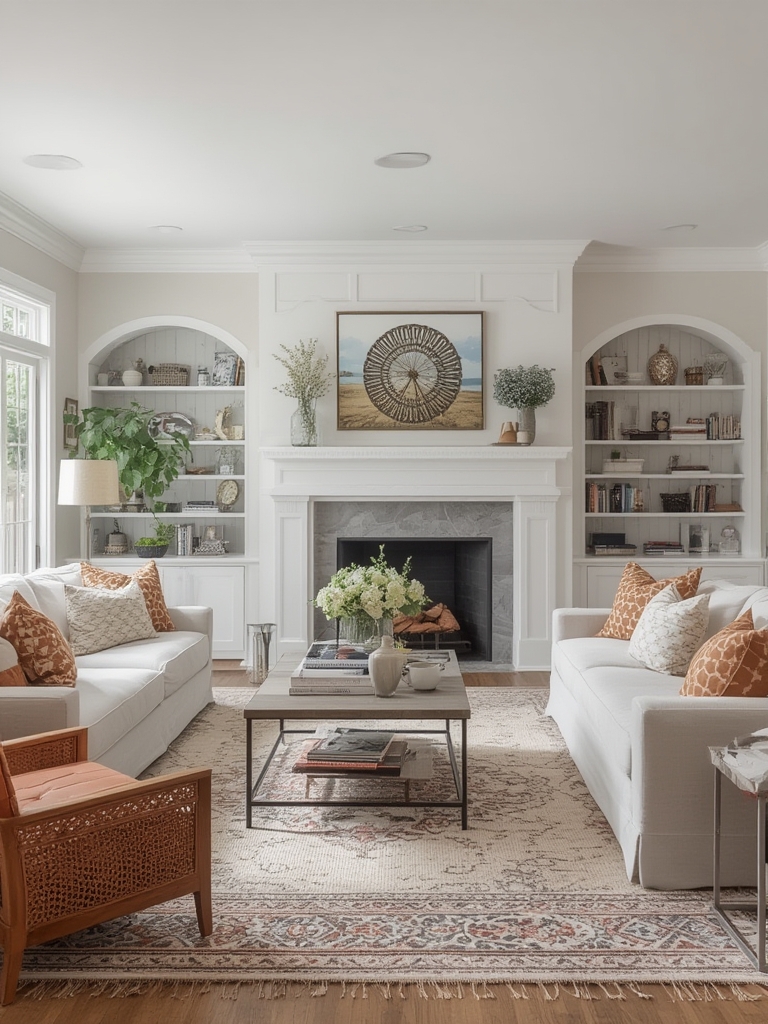
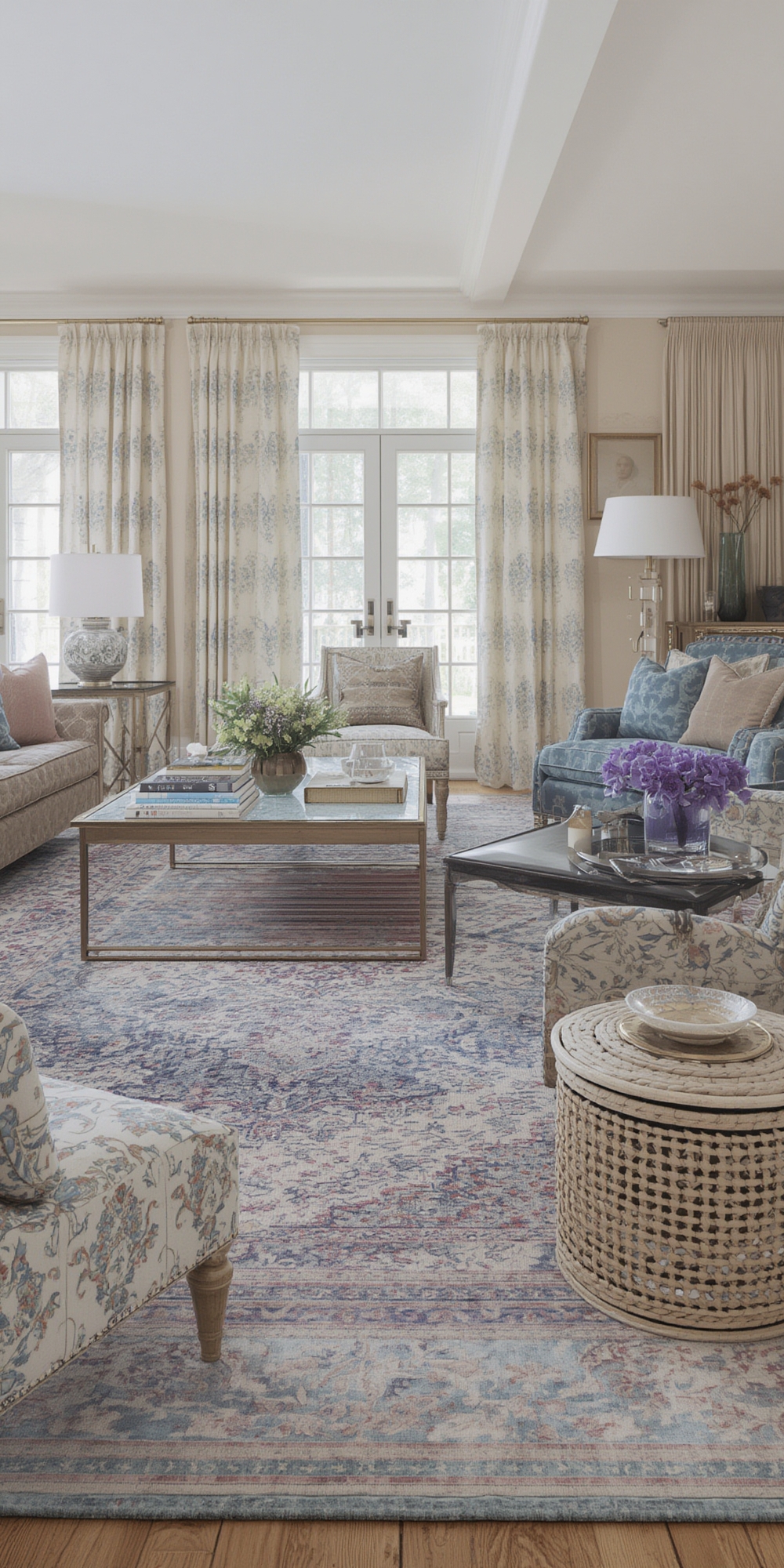
Creating a family room that feels both inviting and highly functional is a blend of smart design, strategic furniture placement, and the right touch of nature. In today’s fast‑paced world, the family room is the hub for relaxation, entertainment, and togetherness. By following a data‑driven approach and incorporating a low‑maintenance indoor plant, you can transform this space into a comfortable sanctuary that supports daily life while boosting indoor air quality.
Why Comfort and Function Matter in the Family Room
Recent studies show that well‑designed living spaces can reduce stress levels by up to 30 % and improve family interaction. Comfort comes from ergonomic seating, appropriate lighting, and a balanced color palette, while function is achieved through thoughtful layout, storage solutions, and multi‑purpose furniture. When these elements work together, the room becomes a place where everyone wants to spend time.
Step‑by‑Step Guide to Reviving Family Room Comfort
1. Assess the Space with a Quick Audit
- Measure dimensions: Use a laser measure or tape to record length, width, and ceiling height. Record these numbers in a spreadsheet for easy reference.
- Identify traffic patterns: Walk through the room and note high‑traffic zones. Mark them on a floor plan to avoid placing furniture in pathways.
- Check lighting sources: List natural light windows, overhead fixtures, and existing lamps. Note the light intensity (lux) if possible using a smartphone app.
Action tip: Take a photo of each corner and annotate it with your observations. This visual reference speeds up the redesign process.
2. Choose a Cohesive Color Scheme
- Data‑driven palette: Use tools like Coolors to generate a palette based on your favorite base color. Aim for 60 % neutral, 30 % accent, and 10 % bold.
- Psychology of color: Soft blues and greens promote calm, while warm oranges encourage conversation. Blend both for balanced ambience.
- Apply consistently: Paint one wall in a muted accent, use coordinated throw pillows, and match curtains to the secondary hue.
Action tip: Order a small paint sample and apply a 6‑inch patch on the wall. Live with it for 48 hours before committing.
3. Optimize Furniture Layout for Flow
- Anchor with a focal point: Identify the TV, fireplace, or a large artwork. Arrange seating to face this point, ensuring sightlines are unobstructed.
- Use the “3‑2‑1” rule: Three main pieces (sofa, coffee table, media console), two secondary pieces (accent chairs, side tables), and one statement piece (area rug or artwork).
- Incorporate flexible seating: Add poufs or floor cushions that can be moved for extra guests without cluttering the space.
Action tip: Before moving heavy furniture, lay out cardboard cutouts of each piece to visualize the arrangement.
4. Add Smart Storage Solutions
- Vertical storage: Install floating shelves or tall bookcases to keep floor space open.
- Multi‑functional furniture: Choose ottomans with hidden compartments and coffee tables that double as storage trays.
- Declutter with the “one‑in‑one‑out” rule: For every new item introduced, remove an existing one to maintain balance.
Action tip: Use labeled bins for toys, magazines, and electronics. Clear bins keep items visible, reducing the temptation to hide clutter.
5. Introduce a Low‑Maintenance Indoor Plant for Air Quality and Aesthetics
Plants like the Snake Plant (Sansevieria trifasciata) thrive in low‑light conditions, require minimal watering, and are proven to filter indoor pollutants such as formaldehyde and benzene. Below is a step‑by‑step care guide to ensure your plant flourishes.
Step‑by‑Step Plant Care
Step 1: Choose the Right Pot and Soil
- Pot selection: Use a terracotta pot with drainage holes to prevent root rot.
- Soil mix: Combine 70 % cactus/succulent potting mix with 30 % perlite for excellent drainage.
Tip: Place a saucer under the pot to catch excess water and protect your flooring.
Step 2: Position for Optimal Light
- Light level: Snake plants tolerate low to bright indirect light. Aim for 100–300 lux near a north‑facing window.
- Avoid direct sun: Direct sunlight can scorch the leaves, causing brown tips.
Tip: Rotate the pot 90 ° every two weeks for even growth.
Step 3: Water Wisely
- Frequency: Water once every 3–4 weeks in winter and every 2 weeks in summer.
- Method: Water thoroughly until it drains, then let the soil dry completely before the next watering.
Tip: Use a moisture meter or stick your finger 2 cm into the soil; if it feels dry, it’s time to water.
Step 4: Feed Lightly
- Fertilizer: Apply a balanced, water‑soluble fertilizer (10‑10‑10) at half strength during the growing season (spring–summer).
- Frequency: Feed once a month; skip feeding in fall and winter when growth slows.
Tip: Over‑fertilizing can cause leaf yellowing, so always dilute the solution.
Step 5: Prune and Clean
- Pruning: Remove any dead or damaged leaves at the base using clean scissors.
- Dust removal: Wipe leaves gently with a damp cloth monthly to maximize photosynthesis.
Tip: A clean leaf surface also improves the plant’s ability to filter air pollutants.
Final Touches: Lighting, Textiles, and Tech Integration
Layered lighting—ambient overhead fixtures, task lamps, and accent LED strips—creates a dynamic environment that adapts to activities from movie nights to reading sessions. Pair soft, natural textiles like cotton throws and woven rugs with the plant’s vertical lines for a harmonious visual flow. Finally, integrate smart plugs or voice‑controlled lighting to adjust brightness without leaving the couch, enhancing both comfort and convenience.
Measuring Success: Track Comfort and Function Metrics
After implementing these changes, monitor the room’s performance for four weeks:
- Comfort survey: Ask family members to rate comfort on a scale of 1–10.
- Function audit: Record the number of trips to storage areas and the time spent searching for items.
- Air quality check: Use a portable air quality monitor to note improvements in VOC levels.
Adjust lighting, furniture placement, or plant care based on the data collected. Small iterative tweaks will fine‑tune the space, ensuring the family room remains a beloved, functional heart of the home.