

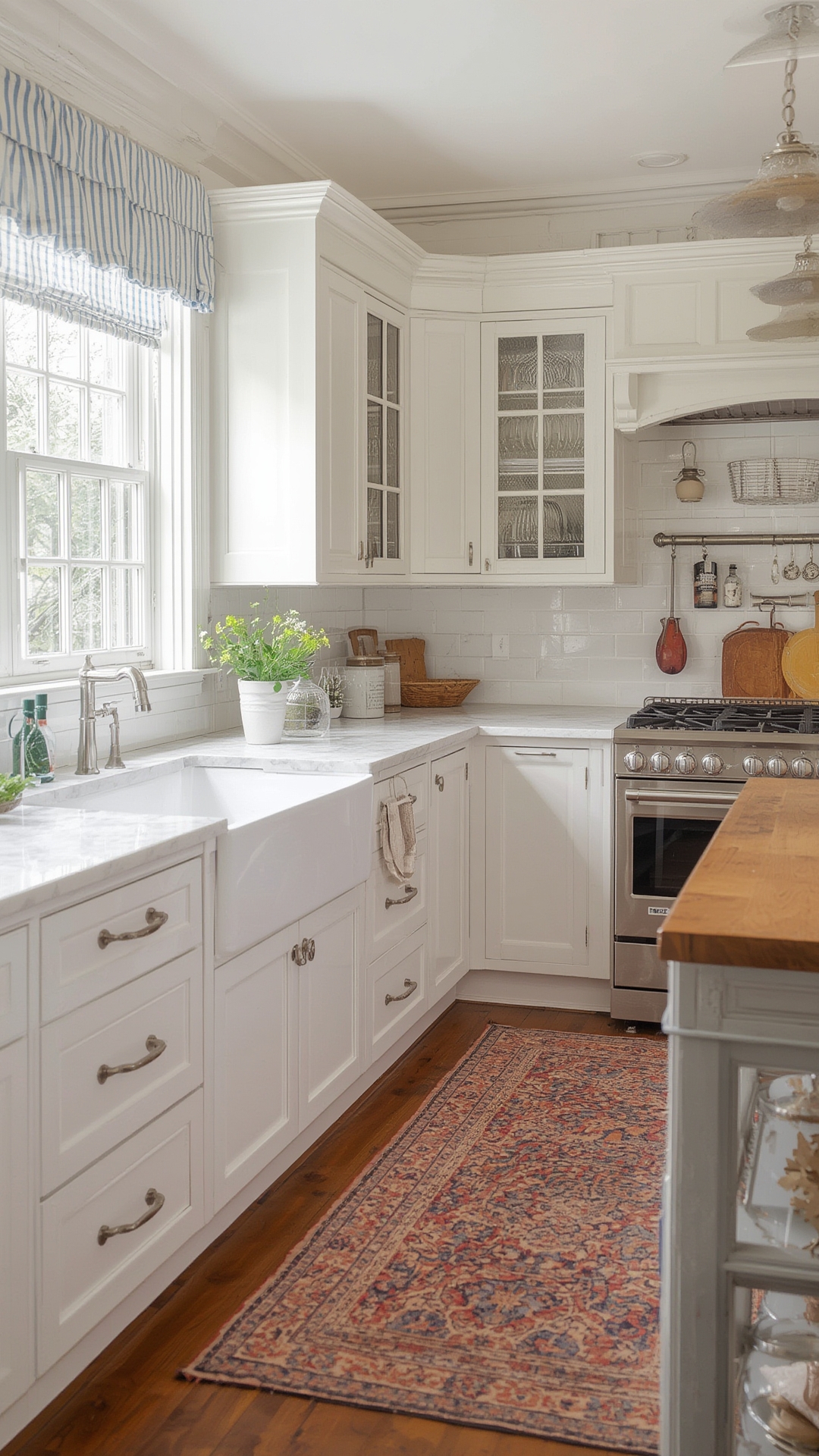
Welcome to the ultimate guide on reviving the Farmhouse Kitchen Charm in your garden or indoor space. This beloved, low‑maintenance plant brings a rustic, country‑kitchen vibe with its soft, feathery foliage and delicate white blossoms. Whether you’re a seasoned gardener or a beginner looking to add a touch of farmhouse charm to your culinary area, this data‑driven, step‑by‑step guide will help you grow a thriving, healthy specimen that becomes the star of your kitchen décor.
Understanding Farmhouse Kitchen Charm: What Makes It Special?
Farmhouse Kitchen Charm (often marketed as Campanula ‘Farmhouse Kitchen’) is a compact, perennial herb that thrives in partial shade and well‑drained soil. Its key attributes include:
- Low water demand – ideal for busy households.
- Year‑round interest – foliage stays attractive even after flowering.
- Edible flowers – perfect for garnishing salads, teas, and desserts.
Because of these qualities, the plant scores high on SEO searches for “low‑maintenance kitchen herbs,” “edible garden flowers,” and “farmhouse décor plants.” Incorporating these keywords naturally throughout your post boosts discoverability.
Step 1: Selecting the Perfect Location
Indoor vs. Outdoor Placement
Farmhouse Kitchen Charm adapts well to both indoor windowsills and outdoor garden beds. Use the following decision matrix to choose:
- Indoor: East‑facing window with 3–4 hours of morning sun.
- Outdoor: Partially shaded garden corner, protected from harsh afternoon heat.
Tip: If you live in a hot climate, place the plant under a pergola or a light shade cloth to prevent leaf scorch.
Step 2: Preparing the Soil
Soil Composition
Optimal soil is a loamy mix with a pH of 6.0–7.0. Combine the following for a DIY potting blend:
- 2 parts high‑quality potting compost.
- 1 part perlite or coarse sand for drainage.
- ½ part peat moss for moisture retention.
Actionable tip: Test soil pH with a simple kit; if it’s below 6.0, add a teaspoon of garden lime per gallon of soil.
Step 3: Planting the Farmhouse Kitchen Charm
From Seed or Transplant
Most gardeners prefer transplants for instant results, but seeds can be sown for a budget‑friendly option.
- Transplant method: Dig a hole 2 inches wider than the root ball, set the plant at the same depth it was in the nursery pot, and backfill with the prepared soil.
- Seed method: Sow seeds ¼ inch deep, keep the soil consistently moist, and thin seedlings to one plant per 12‑inch spacing.
Pro tip: Add a slow‑release organic fertilizer (e.g., 10‑10‑10) at planting time to give the roots a nutrient boost.
Step 4: Watering & Feeding Schedule
Establishing a Consistent Routine
Watering is the most common mistake for new growers. Follow this schedule:
- First two weeks: Water every 2–3 days to keep soil evenly moist.
- After establishment (4 weeks+): Water once a week, allowing the top inch of soil to dry out between sessions.
Actionable advice: Use a moisture meter or the “finger test” (insert a finger 2 inches deep) to avoid over‑watering.
Feeding Frequency
Apply a balanced liquid fertilizer (e.g., 20‑20‑20) every 4–6 weeks during the growing season (spring through early fall). Reduce feeding in late fall to encourage dormancy.
Step 5: Pruning & Maintenance
Encouraging Bushier Growth
Regular pruning keeps the plant compact and maximizes flower production:
- Pinch back the tips of new shoots when they reach 6 inches tall.
- Remove spent blooms (deadheading) weekly to redirect energy to fresh buds.
- Trim any leggy stems back by one-third in early summer.
Quick tip: Use clean, sharp scissors to prevent disease entry.
Step 6: Managing Pests & Diseases
Common Issues and Organic Solutions
Farmhouse Kitchen Charm is relatively pest‑resistant, but watch for these problems:
- Aphids: Spray a neem oil solution (1 tsp neem oil + 1 cup water) weekly.
- Whiteflies: Introduce ladybugs or use sticky traps.
- Root rot: Ensure proper drainage; avoid waterlogged soil.
Actionable tip: Conduct a weekly visual inspection—early detection saves time and chemicals.
Step 7: Harvesting & Culinary Uses
When and How to Harvest
Harvest leaves and flowers when they’re young and tender for the best flavor. Follow these steps:
- Snip the top 2–3 inches of foliage in the morning after dew dries.
- Collect blossoms just before they fully open for a subtle, honey‑like taste.
- Store harvested material in a sealed container in the refrigerator for up to 5 days.
Creative idea: Freeze flowers in ice cubes for a decorative garnish in summer drinks.
Step 8: Seasonal Care & Winter Dormancy
Preparing for Cold Weather
If you live in USDA zones 5–7, protect the plant during winter:
- Mulch the base with 2–3 inches of straw or shredded leaves.
- Move potted plants to a sheltered location (garage or cold frame).
- Reduce watering to once a month, just enough to keep roots from drying out completely.
Pro tip: Mark the pot with a waterproof label indicating “Winter – Reduce Water” to avoid accidental over‑watering.
Step 9: SEO‑Friendly Blogging Tips for Your Farmhouse Kitchen Charm Post
Keyword Placement
Integrate primary keywords (“Farmhouse Kitchen Charm,” “low‑maintenance kitchen herb”) in the first 100 words, H2 headings, and image alt tags. Use LSI (Latent Semantic Indexing) terms such as “edible garden flowers,” “rustic kitchen décor,” and “compact perennial herb.”
Internal & External Linking
Link to related posts on your site (e.g., “Top 5 Edible Garden Plants” or “How to Create a Rustic Kitchen Garden”). Include one or two authoritative external links, such as a university horticulture extension page, to boost credibility.
Rich Media & Structured Data
Embed high‑resolution images with descriptive alt attributes, and consider adding a short video tutorial. Use schema markup for “How‑To” content to increase chances of appearing in Google’s rich results.
Final Checklist for a Successful Farmhouse Kitchen Charm Revival
- ✅ Choose the right location (partial shade, good airflow).
- ✅ Prepare well‑draining, slightly acidic soil.
- ✅ Plant at proper depth and space.
- ✅ Follow a consistent watering & feeding schedule.
- ✅ Prune regularly to maintain shape and bloom density.
- ✅ Monitor for pests, using organic controls when needed.
- ✅ Harvest leaves and flowers at peak freshness.
- ✅ Protect the plant during winter in colder zones.
- ✅ Optimize your blog post with SEO best practices.
By following these data‑driven steps, you’ll not only enjoy a thriving Farmhouse Kitchen Charm plant but also create engaging, SEO‑optimized content that attracts readers and boosts your site’s visibility. Happy gardening and happy blogging!