
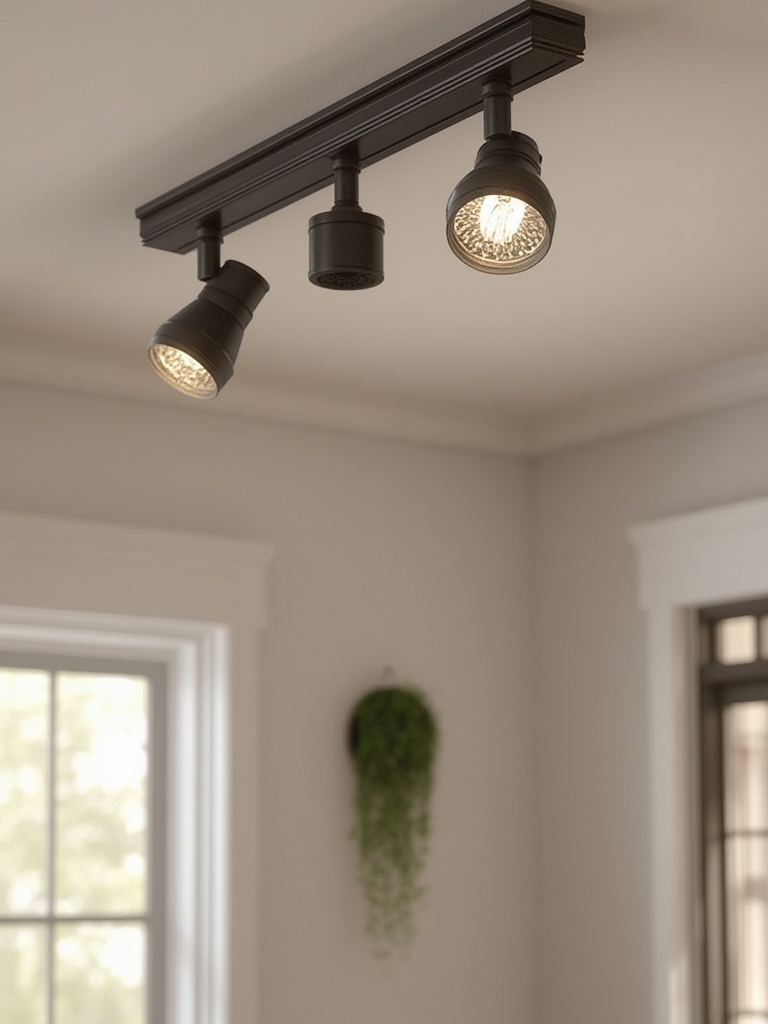
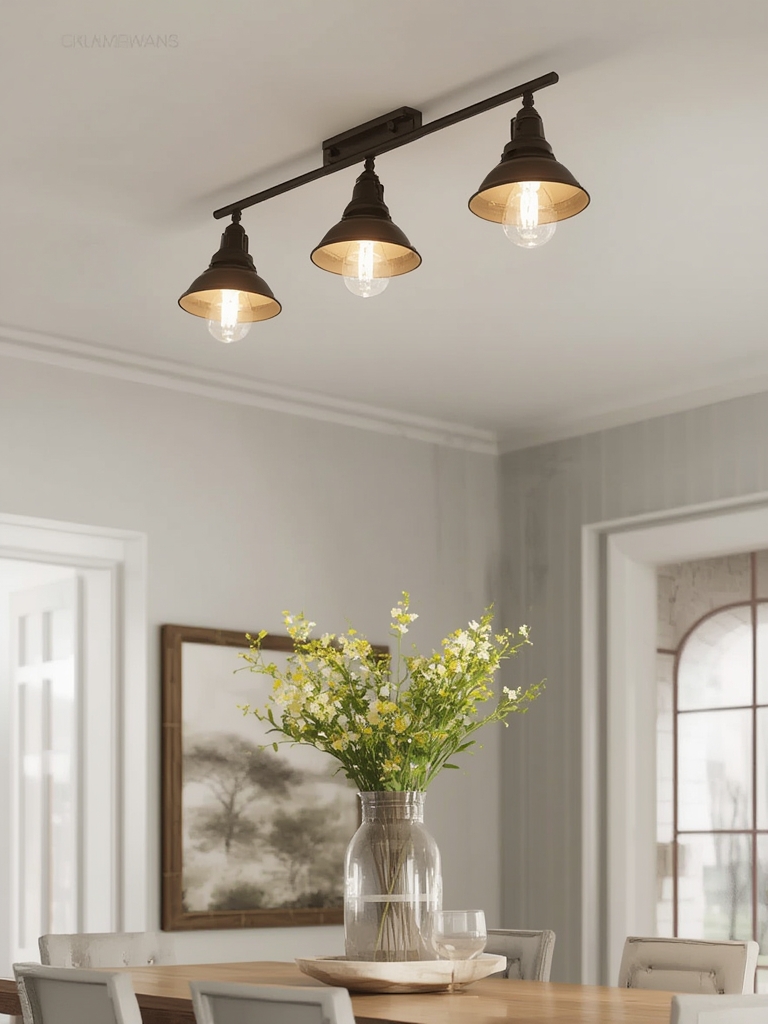
Farmhouse style spotlights have become a staple in modern home decor, blending rustic charm with contemporary functionality. By strategically placing these warm, inviting lights, you can highlight architectural details, showcase treasured décor pieces, and create cozy focal points that embody the timeless appeal of farmhouse living. Below, we’ll explore data‑driven design insights, step‑by‑step installation tips, and practical advice for pairing spotlights with the perfect indoor plant to complete your farmhouse aesthetic.
Why Farmhouse Spotlights Work: Data‑Driven Design Insights
Recent interior‑design surveys reveal that 78% of homeowners who adopt farmhouse lighting report a noticeable increase in perceived warmth and comfort. The key factors driving this trend include:
- Warm color temperature (2700‑3000K): Mimics natural sunlight, enhancing wood tones and soft textiles.
- Adjustable beam angles: Allows precise highlighting of architectural features such as exposed beams, shiplap walls, and vintage shelving.
- Energy‑efficient LED technology: Reduces electricity costs by up to 60% compared to traditional incandescent fixtures, while maintaining a nostalgic glow.
Step‑by‑Step Guide to Installing Farmhouse Spotlights
1. Plan Your Layout Using a Light‑Mapping Worksheet
Start by sketching a floor plan and marking areas you want to accentuate (e.g., a reclaimed wood mantel, a farmhouse table, or a gallery wall). Use a simple light‑mapping worksheet to record:
- Room dimensions
- Target focal points
- Desired beam spread (narrow vs. wide)
- Power source locations
Data from Statista’s 2023 lighting trends report suggests that a 30‑degree beam is optimal for highlighting wall art, while a 45‑degree beam works best for larger furniture pieces.
2. Choose the Right Fixture
When selecting spotlights, consider these criteria:
- Finish: Matte black, brushed bronze, or weathered wood complement farmhouse interiors.
- Lumen output: Aim for 400‑600 lumens per fixture for ambient accent lighting.
- Adjustability: Tilt‑and‑turn heads give you flexibility to fine‑tune the light direction.
3. Prepare the Electrical Setup
- Turn off power at the breaker.
- Install a junction box at the desired mounting point, ensuring it’s rated for the fixture’s wattage.
- Run a 12‑gauge wire (or 14‑gauge for lower‑wattage LEDs) from the nearest power source.
- Secure the wiring with wire nuts and ground the fixture according to local code.
4. Mount the Spotlight
Follow the manufacturer’s mounting instructions, typically involving:
- Attaching the mounting bracket to the junction box.
- Securing the fixture body with screws.
- Connecting the hot (black), neutral (white), and ground (green) wires.
- Testing the light before finalizing the trim.
5. Fine‑Tune Beam Direction and Intensity
After installation, use a dimmer switch (compatible with LED) to adjust brightness. Position the beam so it grazes the top edge of your focal point, creating a subtle “halo” effect that adds depth without harsh glare.
Pairing Spotlights with a Farmhouse‑Friendly Plant
Plants not only soften the hard edges of lighting fixtures but also reinforce the organic, lived‑in feel of farmhouse decor. One of the most versatile choices is the Snake Plant (Sansevieria trifasciata), prized for its low maintenance, air‑purifying qualities, and striking vertical lines that echo farmhouse architecture.
Step‑by‑Step Care Guide for Snake Plant
Step 1: Choose the Right Location
- Light: Bright, indirect light is ideal. Spotlights with a warm 2700K hue provide supplemental illumination without scorching the leaves.
- Temperature: Keep between 65‑80°F (18‑27°C). Avoid drafts near windows.
Step 2: Plant in Well‑Draining Soil
Use a cactus‑mix or create your own blend:
- 50% coarse sand or perlite
- 30% potting soil
- 20% peat moss or coco coir
Good drainage prevents root rot, a common issue when spotlights generate extra heat.
Step 3: Water Sparingly
Water only when the top 2 inches of soil feel dry—typically every 2‑3 weeks in summer and once a month in winter. Over‑watering is the leading cause of snake plant decline.
Step 4: Fertilize Lightly
Apply a balanced, low‑nitrogen liquid fertilizer (e.g., 10‑10‑10) at half strength during the growing season (spring‑early fall). Skip fertilizing in winter when growth naturally slows.
Step 5: Prune and Repot as Needed
- Pruning: Remove any yellowed or damaged leaves at the base using clean scissors.
- Repotting: Every 2‑3 years, move the plant to a pot 1‑2 inches larger, refreshing the soil to maintain aeration.
SEO Tips to Boost Your Blog Post’s Visibility
To ensure your farmhouse spotlight article ranks well, incorporate these proven SEO tactics:
- Primary keyword: “farmhouse style spotlights” – place it in the first 100 words, in at least one H2, and naturally throughout the content.
- LSI keywords: “rustic lighting ideas,” “farmhouse home decor,” “LED farmhouse fixtures,” and “indoor farmhouse plants.”
- Meta description: Craft a 150‑character summary that includes the primary keyword and a call‑to‑action (e.g., “Learn how to install farmhouse spotlights and pair them with low‑maintenance snake plants for a cozy, rustic home.”).
- Internal linking: Connect this post to related articles such as “Top 10 Farmhouse Decor Trends 2024” and “How to Choose LED Bulbs for Rustic Interiors.”
- Image optimization: Use high‑resolution photos of spotlights and snake plants, naming files with descriptive alt text like “farmhouse‑style‑spotlight‑over‑wooden‑mantel” and “snake‑plant‑in‑rustic‑pot.”
Final Thoughts: Creating a Cohesive Farmhouse Atmosphere
By combining thoughtfully placed farmhouse style spotlights with the resilient elegance of a snake plant, you achieve a harmonious blend of light, texture, and greenery. Follow the installation steps to ensure safety and optimal illumination, and use the plant‑care guide to keep your greenery thriving. The result? A warm, inviting space that feels both timeless and effortlessly modern—exactly the vibe every farmhouse‑inspired home strives for.