
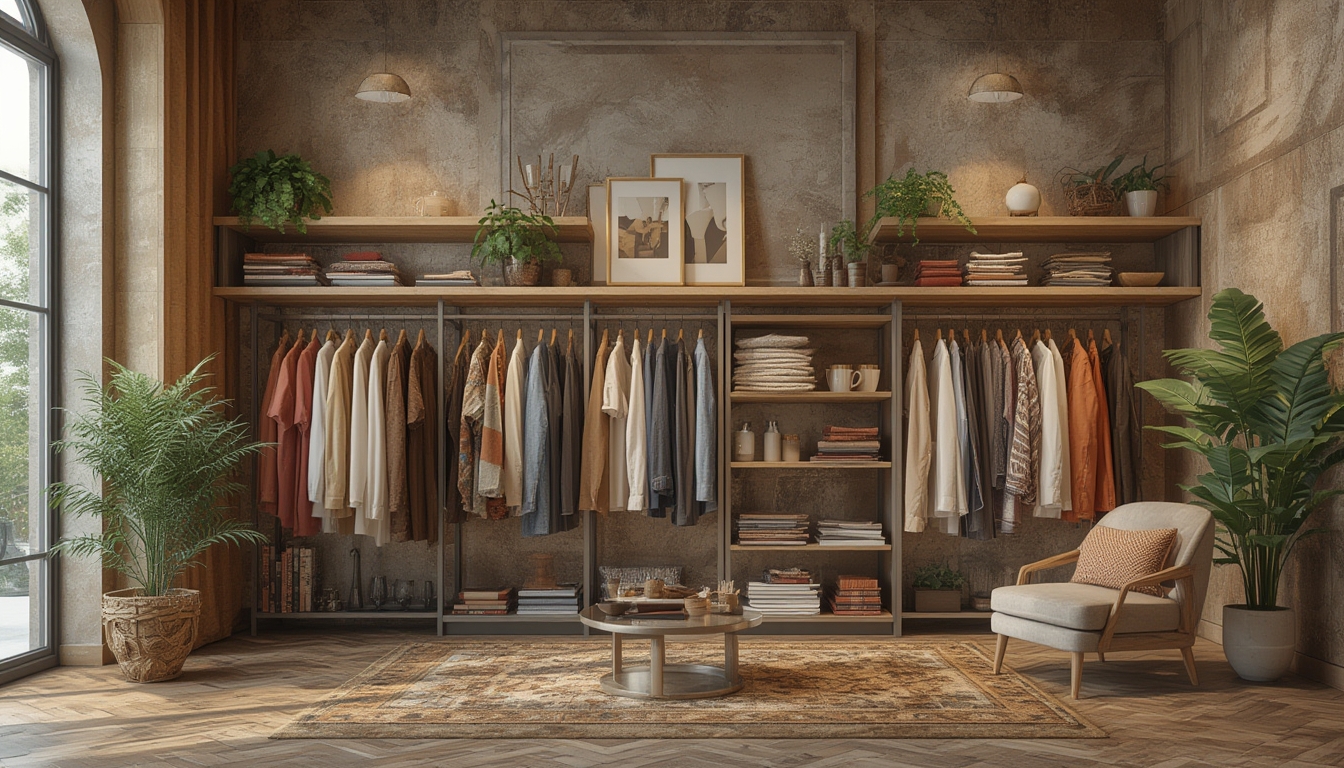
Shop the Look has become a favorite feature for fashion lovers and interior designers alike. It lets you instantly discover the exact items that make up a curated ensemble, whether it’s a runway outfit, a living‑room setup, or a street‑style photograph. While the concept sounds simple, getting the most out of it requires a systematic approach. Below is a step‑by‑step guide that walks you through the entire process—from identifying the perfect look to assembling the pieces, restoring vintage finds, and styling them for everyday wear. Follow each section, gather the suggested tools, and you’ll be able to recreate any look with confidence.
1. Identify the Look You Want to Replicate
1.1 Capture the Inspiration
Start by saving the image that catches your eye. Use the “Save Image” function on your browser or a screenshot tool on your phone. If the source is a social media post, use the platform’s “Save” or “Bookmark” feature. This ensures you have a reference point that you can return to at any stage.
1.2 Analyze the Components
Break the image down into its core elements:
- Clothing pieces – tops, bottoms, outerwear, shoes.
- Accessories – bags, jewelry, hats, belts.
- Color palette – dominant hues, accent colors.
- Textures and patterns – denim, silk, plaid, leather.
Write these observations in a simple list. This list will become your shopping checklist.
2. Use the “Shop the Look” Feature Effectively
2.1 Locate the Feature
Most e‑commerce sites embed a “Shop the Look” button directly on the product image or in a sidebar. Look for icons that resemble a magnifying glass over a hanger or a shopping bag. Click it to open the product carousel.
2.2 Filter by Category
Once the carousel appears, use the built‑in filters to narrow down items:
- Price range – set a minimum and maximum to stay within budget.
- Size – select your size to avoid irrelevant results.
- Brand – if you prefer certain designers, tick those boxes.
Applying filters reduces the time spent scrolling and helps you focus on items you can actually purchase.
2.3 Add Items to a Dedicated Wishlist
Create a new wishlist titled after the look (e.g., “Paris Street Style – Spring”). Add each identified piece to this list. Most platforms let you add notes; use this space to record any modifications you plan, such as “swap denim jacket for leather” or “look for a sustainable alternative.”
3. Source Alternatives When Items Are Unavailable
3.1 Use Reverse Image Search
If a specific item is out of stock, right‑click the image and select “Search Google for image” (or use a dedicated reverse‑image tool). This often reveals the same piece on other retail sites.
3.2 Explore Second‑Hand Marketplaces
Platforms like Depop, Poshmark, and ThredUp are treasure troves for vintage or discontinued items. Use the same keywords you noted in your analysis (e.g., “vintage high‑waisted flared jeans”) to locate comparable pieces.
3.3 Substitute with Similar Styles
When an exact match isn’t possible, choose a piece that mirrors the silhouette, color, or texture. For example, replace a silk blouse with a satin alternative if the drape is similar. Write the substitution in your wishlist notes for future reference.
4. Assemble the Look: Practical Steps
4.1 Gather Your Tools
- Measuring tape – for checking garment dimensions.
- Sewing kit – needles, thread, and scissors for minor repairs.
- Fabric steamer or iron – to eliminate wrinkles before trying on.
- Full‑length mirror – essential for evaluating fit and proportion.
- Lighting – natural daylight is best for accurate color assessment.
4.2 Try On Each Piece Individually
Start with the base garment (e.g., a dress or shirt). Ensure it fits comfortably at the shoulders, bust, and waist. Use the measuring tape to compare the garment’s dimensions with your body measurements. If adjustments are needed, mark the areas with tailor’s chalk.
4.3 Layer and Accessorize
Once the base fits, add outerwear and accessories one at a time. This method helps you see how each layer affects the overall silhouette. For shoes, walk around the room to confirm comfort and stability.
4.4 Evaluate Proportions
Stand at a distance of about three feet from the mirror and assess the visual balance. Ask yourself:
- Does the top complement the bottom in length?
- Are the colors harmonious or intentionally contrasting?
- Do accessories enhance or overwhelm the outfit?
If anything feels off, revisit the substitution list and consider swapping items.
5. Restore Vintage or Pre‑Loved Items
5.1 Clean Before Repair
Read the care label. For delicate fabrics, hand‑wash in cold water with a mild detergent. For sturdier pieces, use a gentle cycle on the washing machine. Air‑dry on a flat surface to prevent stretching.
5.2 Fix Common Issues
- Loose seams – Use a matching thread and a small, sharp needle. Stitch a simple backstitch along the seam, reinforcing it without altering the original look.
- Missing buttons – Find a button of similar size and material. Use a buttonhole needle and thread to sew it securely, ensuring the knot is tight.
- Stubborn stains – Apply a mixture of equal parts white vinegar and water, let sit for 10 minutes, then blot gently. For oil stains, sprinkle baking soda, let it absorb, then brush off.
5.3 Refresh the Finish
For leather items, apply a thin layer of leather conditioner with a soft cloth. For suede, use a suede brush to lift the nap and restore texture. These small actions extend the lifespan of each piece and keep the look polished.
6. Style the Look for Different Occasions
6.1 Daytime Casual
Swap high‑heeled shoes for comfortable sneakers or flats. Replace heavy jewelry with simple studs or a delicate pendant. Add a lightweight denim jacket for an effortless vibe.
6.2 Evening Glam
Introduce statement accessories—think bold earrings or a metallic clutch. Replace daytime shoes with heels or sleek boots. Consider a dramatic lip color to elevate the overall impact.
6.3 Professional Setting
Opt for structured pieces like a tailored blazer or a sleek pencil skirt. Keep accessories minimal—perhaps a classic watch and a leather tote. Neutral tones (black, navy, beige) maintain a polished appearance.
7. Maintain the Look Over Time
7.1 Store Properly
Hang garments on padded hangers to preserve shape. Fold delicate sweaters and store them in breathable cotton bags to prevent moth damage. Keep shoes in a shoe rack with silica gel packets to absorb moisture.
7.2 Schedule Regular Checks
Every few months, inspect each piece for loose threads, fading, or wear. Address minor issues promptly to avoid costly repairs later.
7.3 Refresh Seasonal Elements
Swap out accessories according to the season—think scarves in winter and sunglasses in summer. This keeps the core look fresh without needing a full overhaul.
By following these data‑driven steps, you can transform any “Shop the Look” inspiration into a tangible, wearable reality. The process blends careful analysis, strategic sourcing, hands‑on assembly, and thoughtful styling, ensuring that every piece you curate not only looks great but also stands the test of time.