

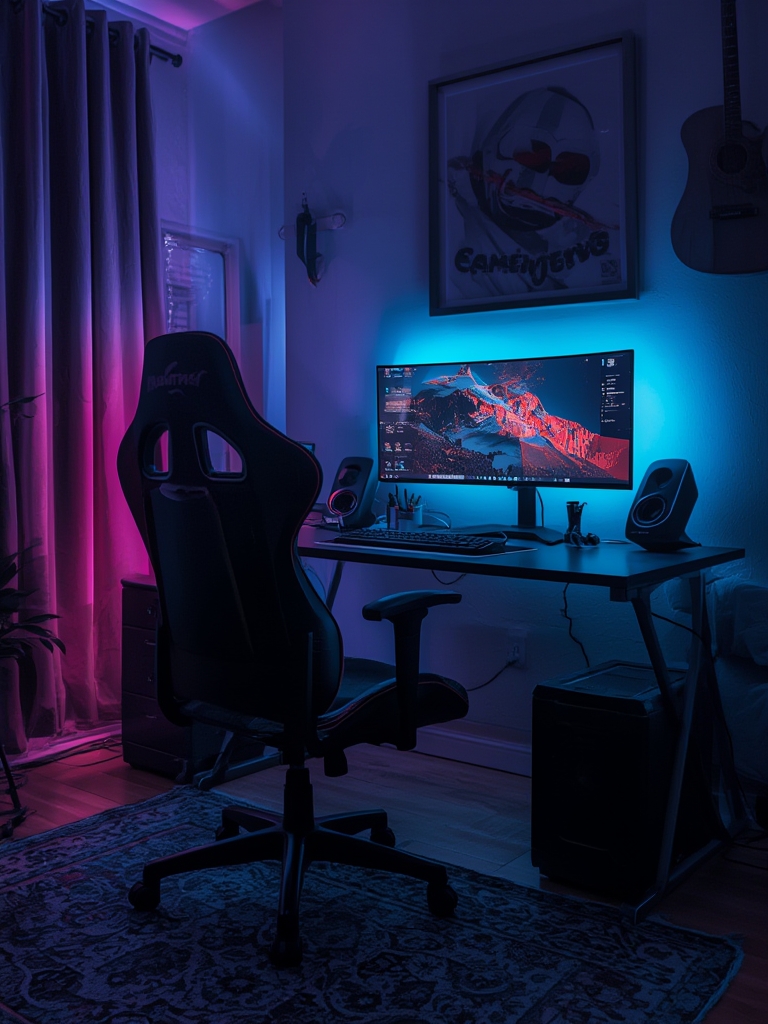
Style Spotlights are versatile lighting fixtures that blend modern design with classic charm, making them perfect for highlighting artwork, accent walls, or architectural features. Whether you’re assembling a new piece, restoring a vintage model, or styling it within a room, a systematic approach ensures a flawless result. Below is a data‑driven, step‑by‑step guide that walks you through each phase, complete with the tools you’ll need and actionable tips to keep the process smooth and efficient.
Understanding the Style Spotlight
Before diving into assembly or restoration, it helps to know what makes a Style Spotlight unique:
- Modular construction: Most models consist of a base, adjustable arm, and interchangeable shade.
- Material mix: Commonly a blend of brushed metal, polished chrome, and frosted glass.
- Electrical options: LED, halogen, or smart‑compatible bulbs.
These characteristics dictate the tools and techniques you’ll use, and they also influence how the fixture can be styled in different interior contexts.
Essential Tools and Materials
Basic Hand Tools
- Phillips‑head screwdriver (size #2)
- Flat‑head screwdriver
- Adjustable wrench (8‑12 mm)
- Allen key set (typically 3 mm and 4 mm)
Electrical Supplies
- Voltage tester
- Wire strippers (15‑22 AWG)
- Wire nuts (red, blue, and yellow)
- Electrical tape
- LED or halogen bulb matching the fixture’s wattage rating
Restoration Extras
- Fine‑grade sandpaper (320‑600 grit)
- Metal polish or brass cleaner
- Glass cleaner (ammonia‑free)
- Micro‑fiber cloths
- Touch‑up paint (matching the fixture’s finish)
Safety Gear
- Safety glasses
- Heat‑resistant gloves
- Dust mask (for sanding or polishing)
Step‑by‑Step Assembly Guide
1. Unbox and Inventory
Lay out all components on a clean surface. Verify each part against the packing list: base, arm sections, mounting bracket, shade, screws, and any decorative inserts. Missing items can cause delays later, so note any discrepancies immediately.
2. Prepare the Mounting Location
Using a stud finder, locate a wall stud or ceiling joist where the spotlight will be installed. Mark the drilling points with a pencil. If you’re mounting on drywall without a stud, insert a heavy‑duty anchor to ensure the fixture can support its weight (typically 2–3 kg).
3. Drill Pilot Holes
Set the drill to a 5 mm bit for wood or a 4 mm bit for metal. Drill slowly to avoid cracking the surrounding material. After drilling, insert the anchors and tap them flush with a hammer.
4. Attach the Base
Secure the base to the wall or ceiling using the supplied lag bolts. Tighten with an adjustable wrench, but stop just before the bolts become overly tight to prevent stripping the threads.
5. Wire the Electrical Connection
- Turn off power at the circuit breaker.
- Use the voltage tester to confirm the wires are dead.
- Strip 1 cm of insulation from the live (black), neutral (white), and ground (green/bare) wires.
- Connect live to the fixture’s live terminal, neutral to neutral, and ground to the grounding screw. Secure each with a wire nut and wrap with electrical tape.
- Gently tuck the wires into the base cavity, ensuring no pinching occurs.
Once wired, restore power and test the connection with a low‑wattage bulb before proceeding.
6. Assemble the Arm and Shade
Slide the arm sections onto the base’s rotating joint. Use the Allen key to tighten the set screw, allowing the arm to pivot smoothly but stay locked when positioned. Attach the shade by sliding it onto the arm’s socket, then secure with the provided retaining clip.
7. Final Adjustments
Position the spotlight to highlight the intended area. Adjust the arm angle in increments of 5° to find the optimal illumination. Verify that the fixture remains stable and that the bulb is centered within the shade.
Restoration: Bringing an Old Style Spotlight Back to Life
1. Disassembly
Start by removing the bulb and shade. Use the screwdriver to detach the arm from the base, noting the order of screws for reassembly. Keep small hardware in a labeled container.
2. Cleaning Metal Components
Apply a metal polish to brushed steel or brass parts. Work in small sections with a micro‑fiber cloth, using circular motions. For stubborn tarnish, lightly sand with 400‑grit sandpaper before polishing.
3. Restoring the Glass Shade
Spray the glass cleaner onto a cloth (never directly onto the shade) and wipe in a vertical‑to‑horizontal pattern to avoid streaks. For mineral deposits, soak the shade in a solution of equal parts white vinegar and water for 10 minutes, then rinse and dry.
4. Touch‑Up Paint
If the metal finish has scratches, apply a thin coat of matching touch‑up paint using a fine brush. Allow 15 minutes to dry between coats; two coats usually suffice for a uniform look.
5. Reassembly and Testing
Reattach the arm and shade, ensuring all screws are snug but not overtightened. Replace the bulb with a fresh LED of the same voltage. Turn the power back on and confirm the light output is even and the fixture operates without flicker.
Styling Your Space with Style Spotlights
Highlighting Artwork
Position the spotlight 30‑45 cm above a painting, angling the beam at a 30° downward tilt. This distance reduces glare while enhancing color saturation. Use a dimmable LED to adjust brightness based on the time of day.
Accent Walls and Architectural Features
Install a series of spotlights in a linear pattern along a wall’s midpoint. Space each fixture 60 cm apart for even coverage. For textured walls, aim the light slightly off‑center to cast subtle shadows that emphasize depth.
Creating a Reading Nook
Mount a spotlight on a side wall, directing the light toward a comfortable chair and a small side table. Pair it with a warm‑tone LED (2700 K) to create a cozy ambiance without straining the eyes.
Layered Lighting Strategy
Combine Style Spotlights with ambient ceiling lights and floor lamps. Use the spotlights as the “task” layer, ensuring each functional zone (e.g., kitchen island, home office desk) has dedicated illumination. This layered approach improves visual comfort and adds depth to the room’s lighting design.
Maintenance for Longevity
- Quarterly Dusting: Wipe the shade and metal surfaces with a dry microfiber cloth to prevent dust buildup, which can dim the light output.
- Annual Bulb Check: Replace LEDs every 2–3 years to maintain optimal brightness and energy efficiency.
- Inspect Wiring: Once a year, turn off power and examine the wire connections for signs of wear or loosening. Tighten any loose nuts and replace damaged insulation.
- Polish Metal Parts: Apply a light coat of metal polish every six months to keep the finish looking fresh.
By following these data‑driven steps, you’ll not only assemble or restore your Style Spotlight with confidence but also integrate it seamlessly into any interior design scheme. The result is a striking visual focal point that enhances both function and aesthetic appeal, ensuring your space looks polished and professionally lit for years to come.