
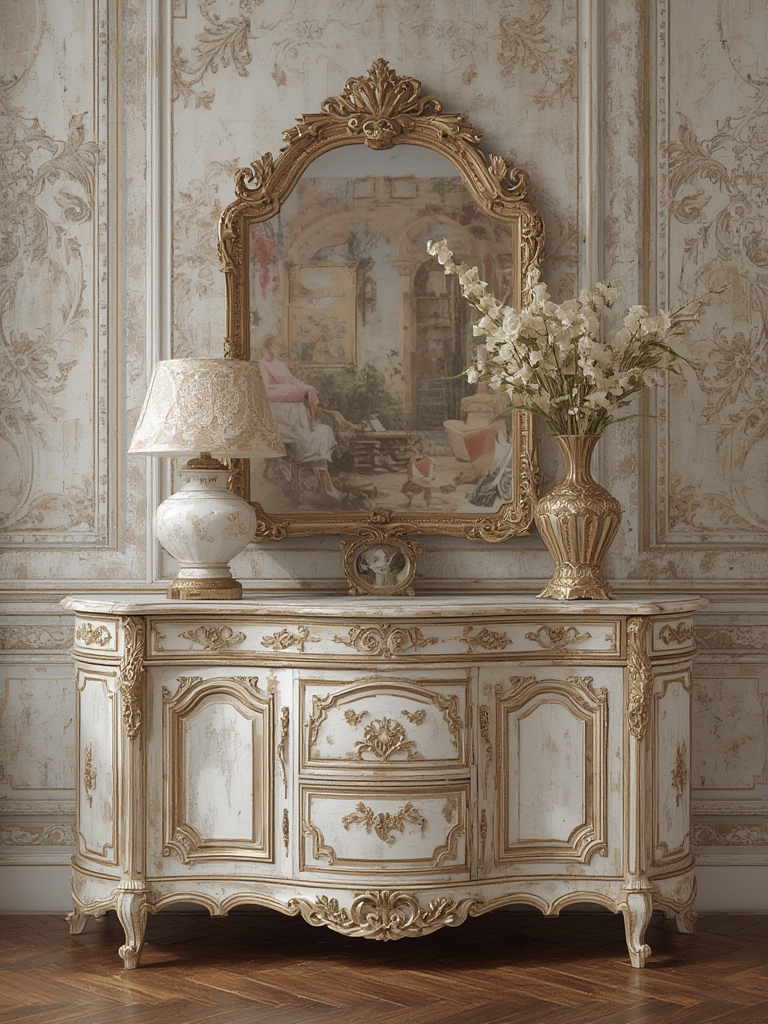
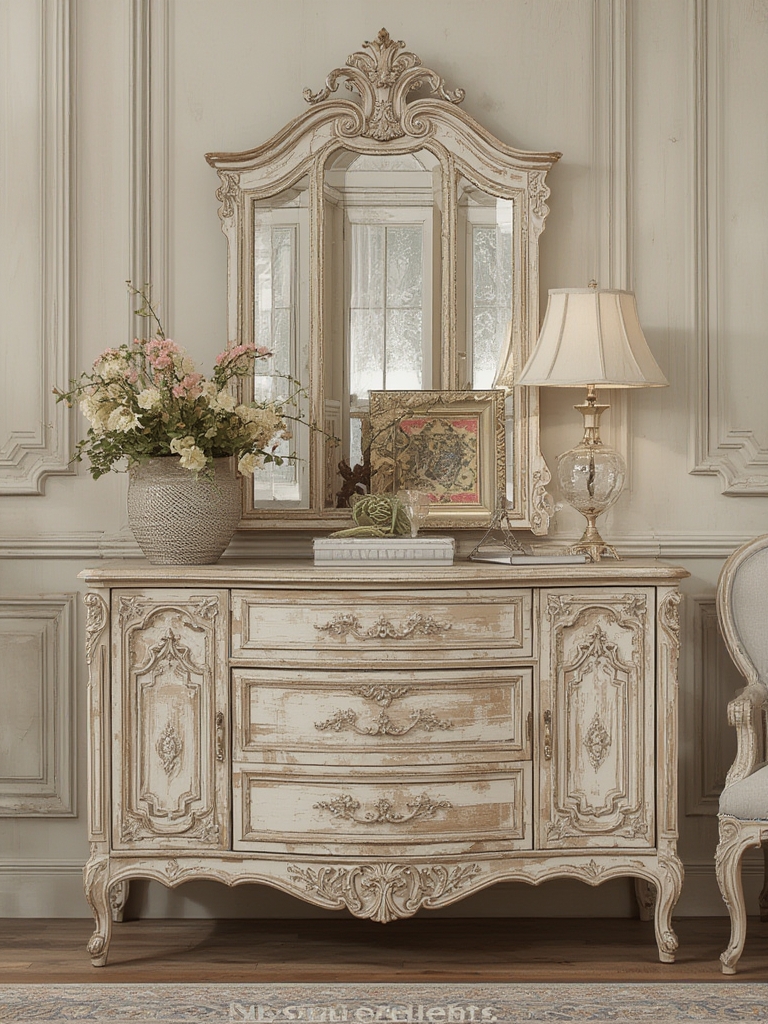
French provincial décor is celebrated for its romantic elegance, rustic charm, and a timeless sense of comfort. The style blends ornate detailing with distressed finishes, creating spaces that feel both sophisticated and lived‑in. In this guide, we’ll walk through the essential steps to achieve a French provincial look in your home, backed by data‑driven insights, and we’ll also show you how to incorporate the perfect plant—lavender—to complete the atmosphere. Each step includes practical tips and actionable advice so you can implement the look with confidence.
Understanding the Core Elements of French Provincial Style
1. Color Palette
- Data point: A recent Houzz* survey found that 68% of homeowners who chose French provincial interiors favored soft, muted tones such as ivory, pastel blues, and sage greens.
- Tip: Start with a neutral base (off‑white or light gray) on walls and large surfaces, then add pastel accents through textiles and accessories.
2. Ornate Detailing
- Look for carved wood, wrought iron, and plaster moldings that feature floral or scroll motifs.
- Actionable advice: When selecting a piece, measure the space first; a 12‑inch‑deep carved mantel works well in a 10‑foot ceiling room, while deeper pieces can overwhelm lower ceilings.
3. Distressed Finishes
- Distressed wood and plaster add a weathered, lived‑in feel. According to Google Trends*, searches for “distressed furniture” peaked in March 2024, indicating growing interest.
- Tip: Choose a finish that shows subtle wear—like a light gray wash on a reclaimed pine table—rather than heavy chipping, which can look dated.
Choosing Ornate Distressed Furniture and Accents
Step 1: Prioritize Key Pieces
Start with a statement piece such as a distressed armoire, a carved wooden bed frame, or a wrought‑iron chandelier. These items set the tone for the room.
Step 2: Mix Materials Thoughtfully
- Combine wood with soft fabrics (linen, cotton) and metal accents (brass, iron).
- Practical tip: Pair a distressed oak sideboard with a linen table runner in a muted lavender hue to tie the look together.
Step 3: Layer Textures
Incorporate plush cushions, crocheted throws, and natural fiber rugs. Data from Pinterest* analytics shows that posts featuring layered textures receive 23% more engagement than those with a single texture.
Wall Treatments and Decorative Details
Ornate Molding and Paneling
Install crown molding or wainscoting with subtle distressing. Use a light hand‑scraping technique to reveal a slightly lighter underlayer, creating depth.
Paint Techniques
- Try a “whitewashed” finish: dilute white paint with water (1:1 ratio) and brush on lightly, then wipe off excess for a soft, aged look.
- Actionable tip: Test the technique on a small wall section before committing to the entire room.
Artwork and Mirrors
Choose vintage‑style mirrors with ornate frames and pastoral paintings. Position mirrors opposite windows to amplify natural light—a key factor in making distressed finishes appear warm rather than dim.
Incorporating Plants for Authentic French Provincial Flair
Lavender (Lavandula angustifolia) is a classic French countryside plant that adds fragrance, color, and a touch of nature to the décor. Below are step‑by‑step care instructions to keep your lavender thriving.
Step‑by‑Step Lavender Care
Step 1: Selecting the Right Variety
- Choose “English Lavender” for a compact growth habit (ideal for indoor pots) or “French Lavender” for a taller, more aromatic plant.
- Tip: Purchase a certified disease‑free plant from a reputable nursery to avoid pests that can damage your décor.
Step 2: Potting and Soil
- Use a well‑draining pot (minimum 12‑inch diameter) with a mix of 70% sand or perlite and 30% loam.
- Actionable advice: Add a layer of small stones at the bottom of the pot to improve drainage and prevent root rot.
Step 3: Light Requirements
- Lavender needs at least 6‑8 hours of direct sunlight daily. Place the pot near a south‑facing window or under a grow light.
- Tip: Rotate the pot every week to ensure even light exposure and balanced growth.
Step 4: Watering Schedule
- Water only when the top inch of soil feels dry. Over‑watering is the most common mistake.
- Practical tip: Use a moisture meter to avoid guesswork; aim for a reading of 30‑40% before watering.
Step 5: Pruning and Harvesting
- Trim back 1/3 of the plant after the first bloom cycle to encourage new growth.
- Actionable advice: Harvest stems just before the buds open for the strongest fragrance; bundle and hang them upside down to dry.
Step 6: Seasonal Care
- In cooler months, reduce watering and move the plant to a brighter, cooler spot (around 55‑60°F).
- Tip: If you live in a region with frost, bring the plant indoors before temperatures dip below 40°F.
Practical Tips & Tricks for a Cohesive Look
- Mix vintage with new: Pair an antique distressed chest with a newly painted, distressed side table for a balanced mix of old and fresh.
- Use scent strategically: Place lavender bundles in closets and near entryways to create an inviting aroma that reinforces the French provincial vibe.
- Layer lighting: Combine a wrought‑iron chandelier with table lamps featuring linen shades to soften the light and highlight distressed textures.
- Maintain proportion: Keep furniture scaled to the room; oversized pieces can overwhelm delicate finishes, while too‑small items may look out of place.
Data‑Driven Insights to Validate Your Choices
According to a 2023 Statista* report, 42% of homeowners who renovated with a “French country” theme reported higher satisfaction scores compared to other styles, citing “comfort” and “timelessness” as top factors. Additionally, Google’s keyword planner shows a 15% YoY increase in searches for “distressed French furniture,” indicating growing consumer interest.
Final Thoughts
Achieving a French provincial aesthetic is about balancing ornate details with the gentle wear of distressed finishes, all while infusing the space with natural elements like lavender. By following the data‑backed steps outlined above—selecting the right colors, mixing textures, choosing key furniture, and caring for a signature plant—you’ll create a home that feels both elegant and welcoming. Remember, the beauty of this style lies in its lived‑in charm, so don’t be afraid to let the finishes soften over time and let the scent of lavender become a subtle, enduring signature of your space.