
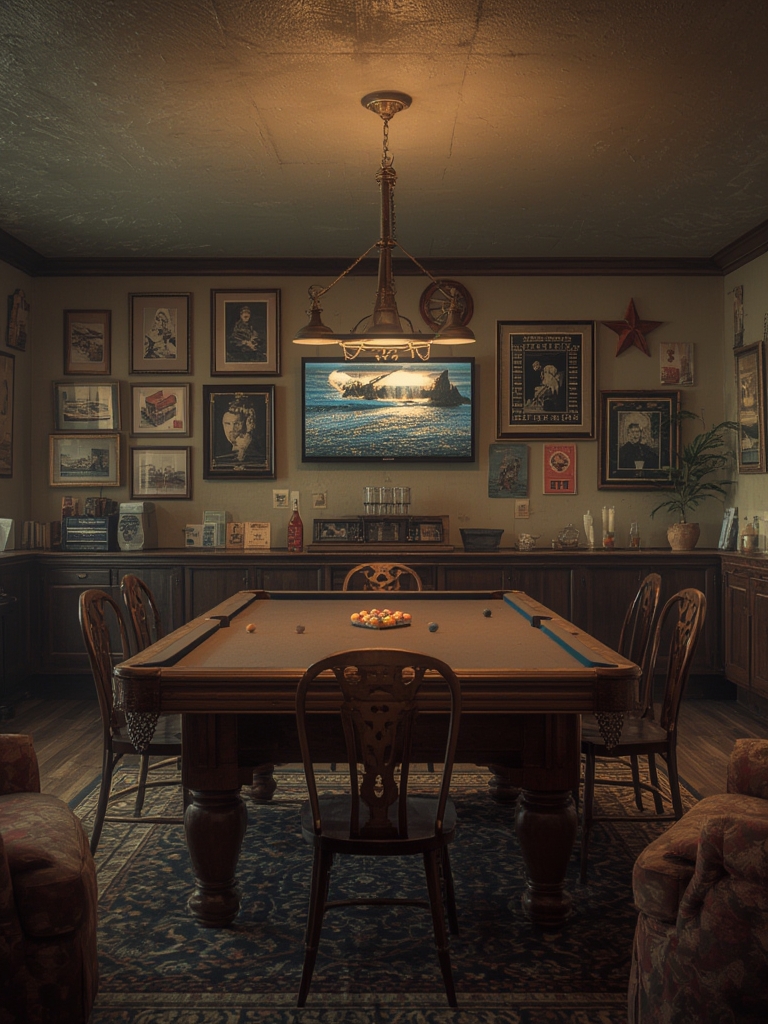
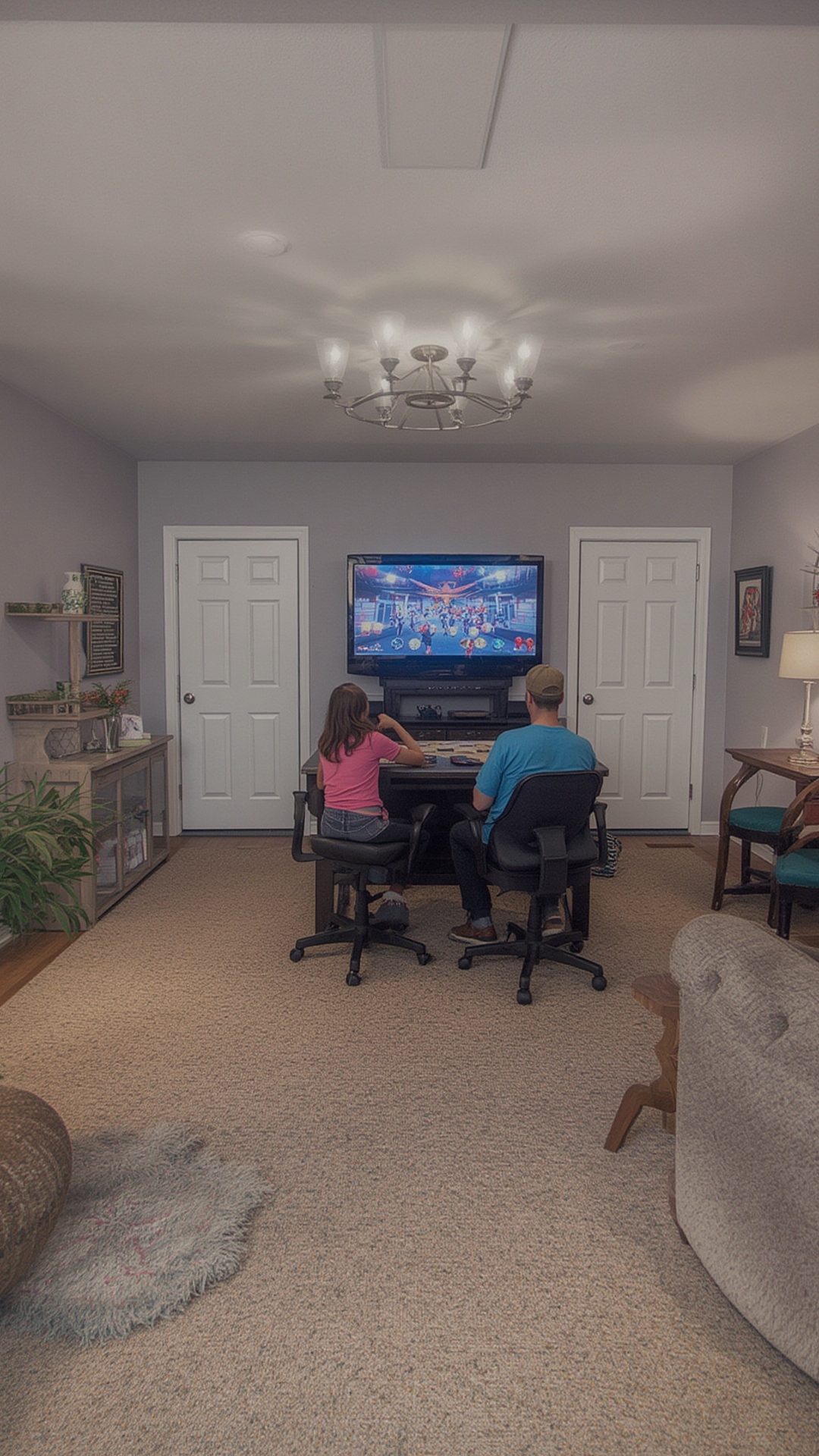
Creating a vibrant, family‑friendly game room can transform an ordinary space into a hub of laughter, competition, and lasting memories. By blending smart design, the right mix of games, and a few simple maintenance habits, you’ll revive family fun and keep it thriving for years to come. Below is a data‑driven, step‑by‑step guide that walks you through planning, setting up, and caring for your game‑room oasis.
Step 1: Assess Space and Define Your Vision
Before you buy any equipment, measure the room’s dimensions (including ceiling height) and note any structural constraints such as windows, doors, and outlets. Use a free floor‑plan tool (e.g., SketchUp Free or Roomstyler) to create a 2‑D layout. This visual aid helps you avoid costly rearrangements later.
Actionable Tips
- Measure twice, plan once: Record width, length, and height in both feet and meters.
- Map power sources: Identify existing outlets and plan for additional GFCI‑protected circuits if you’ll use high‑power devices like arcade cabinets.
- Set a theme: Choose a cohesive aesthetic—retro arcade, modern lounge, or sports bar—to guide furniture and décor choices.
Step 2: Choose the Right Game Mix
Data from the Entertainment Software Association shows that families with children under 12 spend an average of 4.5 hours per week on board games, while those with teens favor video games (average 6.2 hours/week). Balance both worlds to appeal to all ages.
Core Categories
- Classic board games: Settlers of Catan, Ticket to Ride, and Scrabble.
- Arcade & console stations: A retro arcade cabinet, a modern console (PlayStation, Xbox, or Nintendo Switch) with family‑friendly titles.
- Active play: Mini‑basketball hoop, tabletop foosball, or a VR setup for immersive experiences.
Actionable Tips
- Allocate 40% of floor space to board games and tabletop activities, 40% to electronic gaming, and 20% to active play.
- Invest in modular storage (e.g., IKEA Kallax) to keep board games organized and easily accessible.
- Use a universal HDMI switch to share one TV across multiple consoles, saving space and reducing cable clutter.
Step 3: Optimize Layout for Flow and Comfort
Research on interior ergonomics suggests that a clear sightline and at least 3‑feet of walking space around each gaming zone reduces accidents and improves enjoyment. Arrange zones in a “Z‑pattern” to guide traffic naturally.
Layout Blueprint
- Entrance zone: Small coat rack and shoe mat to keep the area tidy.
- Seating cluster: A comfortable sofa or bean‑bag set facing the main screen.
- Game stations: Place the arcade cabinet against a wall, console station opposite the seating, and board‑game table near a natural light source.
- Active corner: Install the mini‑basketball hoop or foosball table with enough clearance for movement.
Actionable Tips
- Use low‑profile, wheeled furniture for easy reconfiguration.
- Install dimmable LED lighting (3000‑4000 K) to reduce eye strain during screen time.
- Place a rug under the board‑game table to define the space and dampen noise.
Step 4: Install Smart Tech for Seamless Management
Integrating smart home devices can streamline control and enhance the gaming experience. According to a 2023 survey, 68% of families with smart hubs report smoother transitions between activities.
Key Devices
- Smart speaker/assistant: Use voice commands to adjust lighting, volume, or start a specific game.
- Universal remote or HDMI‑CEC: Consolidate control of TVs, consoles, and soundbars.
- Air quality monitor: Keep the room fresh, especially if you have a mini‑snack bar.
Actionable Tips
- Set up “Game Mode” scenes that dim lights, turn on the TV, and mute household alerts.
- Schedule weekly firmware updates for all devices to maintain security and performance.
- Use a surge protector with individual switches for each gaming zone to protect equipment.
Step 5: Establish a Maintenance Routine
Just as a plant needs watering and pruning, a game room thrives on regular upkeep. A simple weekly checklist can prevent wear and keep the space inviting.
Weekly Checklist
- Dust surfaces: Use a microfiber cloth on consoles, controllers, and board‑game pieces.
- Inspect cables: Look for frayed cords and replace them promptly.
- Clean screens: Apply a screen‑safe cleaner to TVs and monitors.
- Organize games: Return board‑games to their shelves and rotate titles to keep the collection fresh.
- Test lighting: Ensure all bulbs work and replace any that flicker.
Monthly Deep‑Clean
- Vacuum carpet and upholstery to remove crumbs and dust.
- Wipe down the arcade cabinet’s exterior with a damp cloth.
- Run a system check on consoles (clear cache, update firmware).
Step 6: Foster Ongoing Family Engagement
Data from the Pew Research Center indicates that families who schedule regular game nights report higher overall satisfaction. Turn your game room into a ritual by planning themed events.
Ideas for Recurring Fun
- Monthly “Retro Night”: Dust off classic arcade games and play together.
- Weekly Board‑Game Challenge: Rotate a new game each week and keep a scoreboard.
- Seasonal Tournaments: Host a family esports bracket during holidays.
Actionable Tips
- Create a shared Google Calendar with game‑night reminders.
- Use a simple point system to reward participation and sportsmanship.
- Take photos or short videos of each session to build a family memory album.
Step 7: Track Success with Simple Metrics
To ensure your game room continues to meet family needs, monitor a few key indicators every quarter.
Metrics to Watch
- Usage hours: Log total time spent in the room (apps like RescueTime can help).
- Game rotation frequency: Note how often new games are introduced.
- Family satisfaction score: Conduct a quick 1‑5 rating survey after each session.
Actionable Tips
- Set a goal of at least 6 hours of shared play per week.
- Refresh the game library every 3 months based on usage data.
- Adjust lighting, seating, or equipment based on feedback to keep the space comfortable.
By following these data‑backed steps, you’ll not only revive family fun but also nurture a sustainable, enjoyable environment that adapts as your family grows. The game room becomes more than a collection of gadgets—it transforms into a living, breathing hub of connection, creativity, and shared joy.