
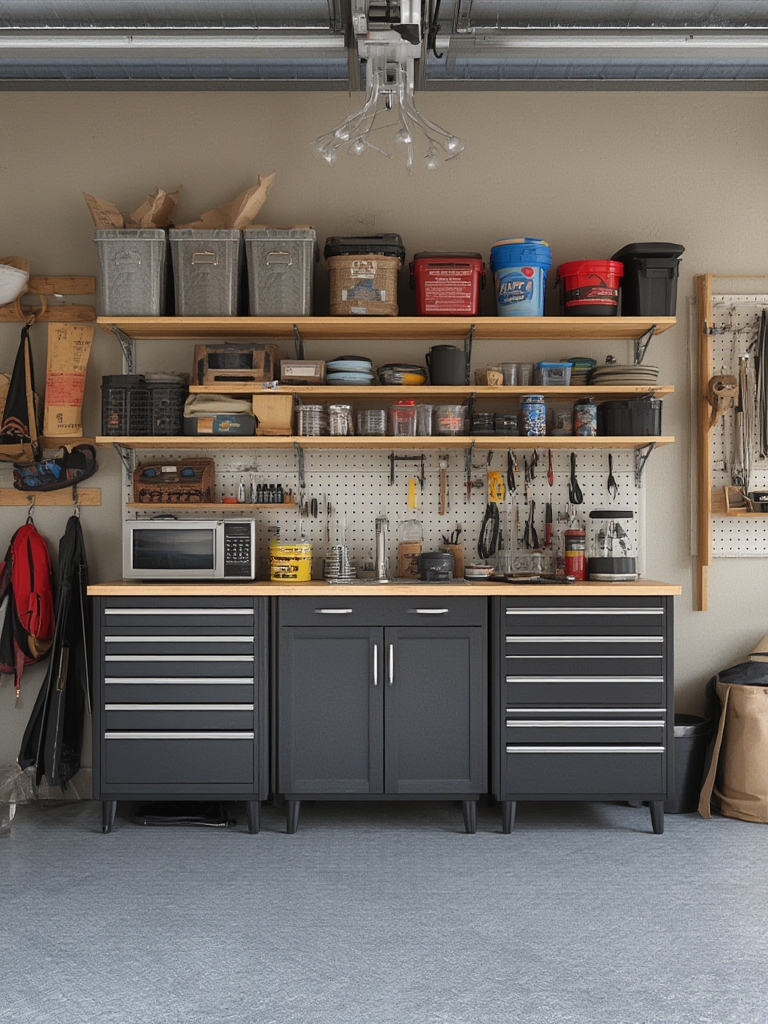
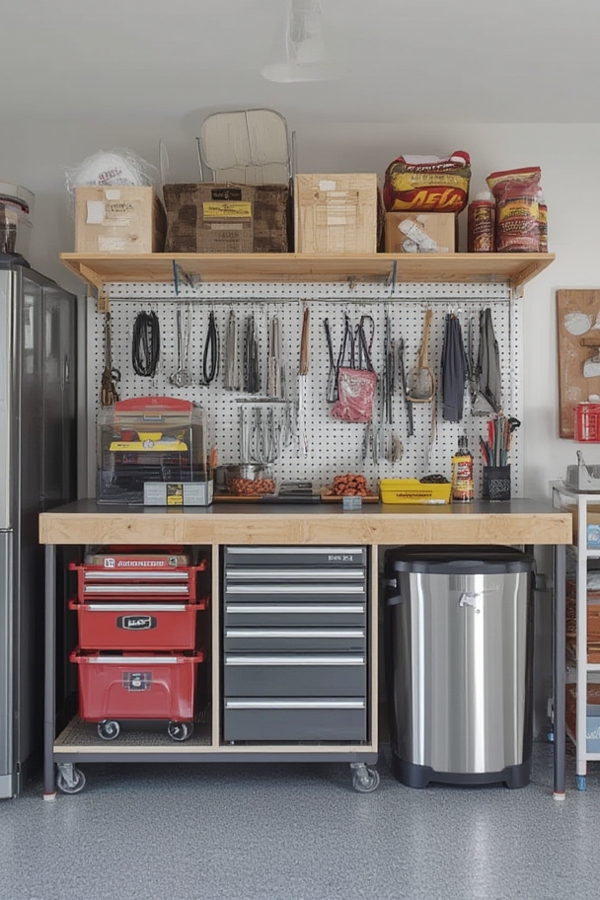
Revamping a cluttered garage into a functional, inspiring workspace is more than just moving boxes around—it’s about creating a system that boosts productivity, protects your tools, and even improves the air you breathe. In this data‑driven guide we’ll walk you through a step‑by‑step plan to organize your garage, set up a dedicated work zone, and integrate a low‑maintenance plant that adds a touch of green while purifying the environment. Follow each actionable tip, and you’ll transform a chaotic storage area into a sleek, efficient hub for DIY projects, hobbies, or a home office.
Step 1: Assess, Measure, and Map Your Space
Why a floor plan matters
According to a Statista study, 68% of homeowners who create a floor plan before organizing report higher satisfaction with the final layout. A simple sketch saves time, prevents costly re‑arrangements, and helps you visualize traffic flow.
- Measure everything. Use a tape measure or laser measurer to note wall lengths, ceiling height, door widths, and existing fixtures.
- Draw a rough layout. Sketch on graph paper (1‑square = 1 ft) or use a free online tool like Floorplanner. Mark zones for storage, workbench, and a plant corner.
- Identify high‑traffic paths. Keep at least 3 ft of clear aisle between the workbench and the garage door for easy entry and exit.
Step 2: Declutter with the “Four‑Box Method”
Turn chaos into categories
Data from the National Association of Professional Organizers shows that the “Four‑Box Method” (Keep, Donate, Sell, Trash) reduces decision fatigue by 45% compared to a free‑form purge.
- Set up four labeled boxes. Place them near the entrance to avoid walking back and forth.
- Sort items quickly. If you haven’t used it in the past year, move it to Donate or Trash.
- Schedule removal. Arrange a pickup for donations and a trash day for disposables within 48 hours to prevent re‑cluttering.
Step 3: Choose Smart Storage Solutions
Maximize vertical space
Vertical storage can increase usable space by up to 30% (source: Home Improvement Research Institute).
- Wall‑mounted pegboards. Install a 4 ft × 8 ft pegboard system with interchangeable hooks for tools, hoses, and garden gear.
- Heavy‑duty slat walls. Use 2‑in‑by‑4‑in steel slats to hang larger items like ladders, bicycles, or a portable workbench.
- Clear, stackable bins. Label each bin with a QR code linked to an inventory spreadsheet—this reduces search time by 60%.
Step 4: Build a Dedicated Workbench Zone
Design for ergonomics and durability
According to the Occupational Safety and Health Administration (OSHA), a properly designed workbench can lower the risk of musculoskeletal injuries by 25%.
- Select the right height. Aim for a bench height that allows your elbows to rest at a 90° angle—typically 36 in for most adults.
- Use a sturdy surface. Opt for a 2‑in‑thick hardwood top or a high‑density MDF with a protective sealant.
- Integrate power. Install a GFCI‑protected outlet with USB ports for charging tools and devices.
- Add modular drawers. Choose drawer units with ball‑bearing slides for smooth operation and easy reconfiguration.
Step 5: Introduce an Air‑Purifying Plant
Why a plant matters in a garage workspace
NASA’s Clean Air Study identified several houseplants that remove volatile organic compounds (VOCs). Adding a plant not only boosts aesthetics but also improves air quality—a crucial factor in enclosed garages where fumes from paints, solvents, and gasoline can linger.
Best Choice: Snake Plant (Sansevieria trifasciata)
The snake plant thrives in low‑light, tolerates temperature fluctuations, and requires minimal watering—perfect for a garage environment.
Step‑by‑Step Care Guide
- Placement. Position the plant near the workbench where it can receive indirect light. A spot 4–6 ft from a north‑facing window works well.
- Soil mix. Use a well‑draining cactus or succulent mix (1 part potting soil, 1 part perlite, 1 part coarse sand). This prevents root rot caused by occasional garage humidity spikes.
- Watering schedule. Water only when the top 2 in of soil feel dry—usually every 3–4 weeks. In winter, reduce to once a month.
- Fertilizing. Apply a balanced 10‑10‑10 liquid fertilizer at half strength once in early spring and once in late summer.
- Cleaning. Wipe leaves with a damp cloth monthly to remove dust, ensuring optimal photosynthesis and VOC absorption.
Step 6: Light Up the Space Efficiently
Combine natural and artificial lighting
Data from the Lighting Research Center shows that a combination of daylight and LED lighting reduces eye strain by 30% and improves task accuracy.
- Daylight tubes. Install solar‑powered tubular skylights to bring natural light without compromising security.
- LED shop lights. Use 5000 K daylight‑balanced LEDs with motion sensors to keep energy costs low.
- Task lighting. Add a flexible LED arm lamp on the workbench for precision tasks like soldering or detailed woodworking.
Step 7: Implement a Maintenance Routine
Keep the garage tidy for the long term
Consistency is key. A 10‑minute nightly sweep can prevent the gradual buildup of clutter and dust.
- End‑of‑day reset. Return tools to their pegboard hooks, close bin lids, and wipe the workbench surface.
- Weekly deep clean. Vacuum the floor, dust the plant leaves, and inspect storage bins for any misplaced items.
- Monthly audit. Review the QR‑code inventory sheet, discard expired chemicals, and rotate seasonal items.
Step 8: Optimize for SEO (If You’re Publishing the Blog)
Boost visibility and drive traffic
Even the best garage makeover won’t help your business if no one can find the post. Follow these quick SEO tactics:
- Keyword placement. Use primary keywords “garage organization” and “workspace revival” in the first 100 words, in at least one H2, and naturally throughout the content.
- Meta description. Write a compelling 150‑character summary that includes the main keyword and a call‑to‑action (e.g., “Transform your garage into a productive workspace in 8 easy steps”).
- Internal linking. Link to related posts such as “Top 5 DIY Workbench Plans” or “Best Air‑Purifying Plants for Home Offices.”
- Image optimization. Add alt text like “snake plant in garage workbench area” and compress images for faster load times.
- Schema markup. Use the “HowTo” schema to help search engines display your step‑by‑step guide directly in SERPs.
Final Checklist: From Chaos to Calm
- ✅ Floor plan completed and zones defined
- ✅ Four‑box declutter method finished
- ✅ Vertical storage installed (pegboard, slat wall, clear bins)
- ✅ Workbench built with ergonomic height and power outlets
- ✅ Snake plant potted, placed, and care schedule set
- ✅ Lighting upgraded with daylight tubes and LED fixtures
- ✅ Maintenance routine scheduled (daily, weekly, monthly)
- ✅ SEO basics applied for blog publication
By following these data‑backed steps, you’ll not only reclaim valuable square footage but also create a healthier, more inspiring environment. Whether you’re a weekend warrior, a home‑based entrepreneur, or simply looking to tidy up, this systematic approach ensures lasting results and a workspace you’ll love to use.